You open a case of wet cat food expecting the usual routine, but one can feels soft, another has a damaged lid, or the pâté looks nothing like the food your cat ate before. Sometimes the problem is even harder to spot: a product labeled grain-free may not match the ingredient list, or a gravy-style meal may come out as a dense lump with almost no gravy.
The reported cases in this article show several ways wet food can fail to match what a careful buyer expects. Damaged packaging can expose food to outside contamination. Recipe changes can bring unexpected texture, smell, or ingredient differences. These changes can matter even before a cat takes a bite.
The useful approach is simple: inspect the container, look at the actual food, compare it with what the label promises, and pay attention when a familiar food suddenly changes.
DEFECT AUDIT OVERVIEW
| Situation | Real-World Impact | Practical Advice |
|---|---|---|
| Damaged cans or leaking foil lids | Broken packaging can expose wet food to outside contamination, with reported cases involving insects and spoiled-looking food. | Separate visibly damaged containers and inspect the seal before serving. |
| Recipe, texture, or ingredient changes | Cats may reject familiar food when the texture, smell, color, or consistency changes, while ingredient claims may not match reported findings. | Compare the actual food with the label and with an older container when available. |
| Unusual smell, strands, or missing gravy | Sour odors, unfamiliar material, or a dense texture can make a familiar meal noticeably different and less usable for selective cats. | Inspect the food before the first bite and do not rely only on front-of-package wording. |
How Dented Cans and Weak Packaging Lead to Spoilage and Insect Contamination
A cat food delivery can look like a minor shipping headache until you pull out a can that has been crushed, split, or already open. One reported case tied to the identifier PGH-AUDIT-NL2W involved cans described as unusually soft, with smashed or opened containers arriving in the shipment; the same case also reported maggots in the food.
That changes the question from "Will my cat eat this?" to "Why was this container still considered usable?" A damaged can is no longer just an ugly package. Once the seal is compromised, the food inside is exposed to conditions it was never meant to face.
But the most useful clue is what happens when you open the box. Look closely at every can before feeding it. Check for deep dents, splits, leaking seams, or a lid that no longer sits normally. 🫣 If one container is visibly damaged, separating it from the rest is a much safer starting point than assuming the sealed appearance of the multipack guarantees everything inside is fine.
There is a simple reason wet food deserves extra caution here. Canned cat food commonly contains around 80% water, so it provides a much more suitable environment for unwanted growth once the protection of the package is lost. The supplied evidence specifically links compromised packaging with the loss of the sealed condition that keeps the food protected; it also notes that exposure at room temperature can allow spoilage organisms and insects to become a visible problem.
In practical terms, a dent is not automatically proof that food has spoiled, but a crushed or opened container deserves a different level of attention. The reported maggot incident shows why packaging damage can become more than a cosmetic complaint.
For this particular reported case, the combination of soft cans, damaged containers, and contamination makes the packaging problem difficult to dismiss as simple delivery wear. If a shipment arrives looking beaten up, treating the damaged cans separately is the more sensible choice.
What Happens When Leaking Foil Lids Allow Bacteria into Chunky Wet Food
A foil lid that arrives already loose or leaking is more than an annoying mess. In one reported case linked to PGH-AUDIT-FZHL, several containers arrived with damaged seals, while another complaint described a dead fly inside the food after cats had already been eating it.
That is the kind of failure that makes a supposedly convenient case of chunky wet food suddenly feel like a cleanup operation. The reported cats developed vomiting, diarrhea, fever, and dehydration, with veterinary evaluation raising concern about serious liver problems. The practical issue is not whether every damaged container will make a cat sick; it is that a broken seal removes one of the basic protections between prepared food and outside contamination.
🪰 Look Under the Foil Before Feeding
Peel back the lid only when you are ready to serve, then look closely at the seal and the food surface. If the foil is already lifted, wet around the edge, leaking, or visibly compromised, set that container aside rather than treating the damage as harmless packaging wear.
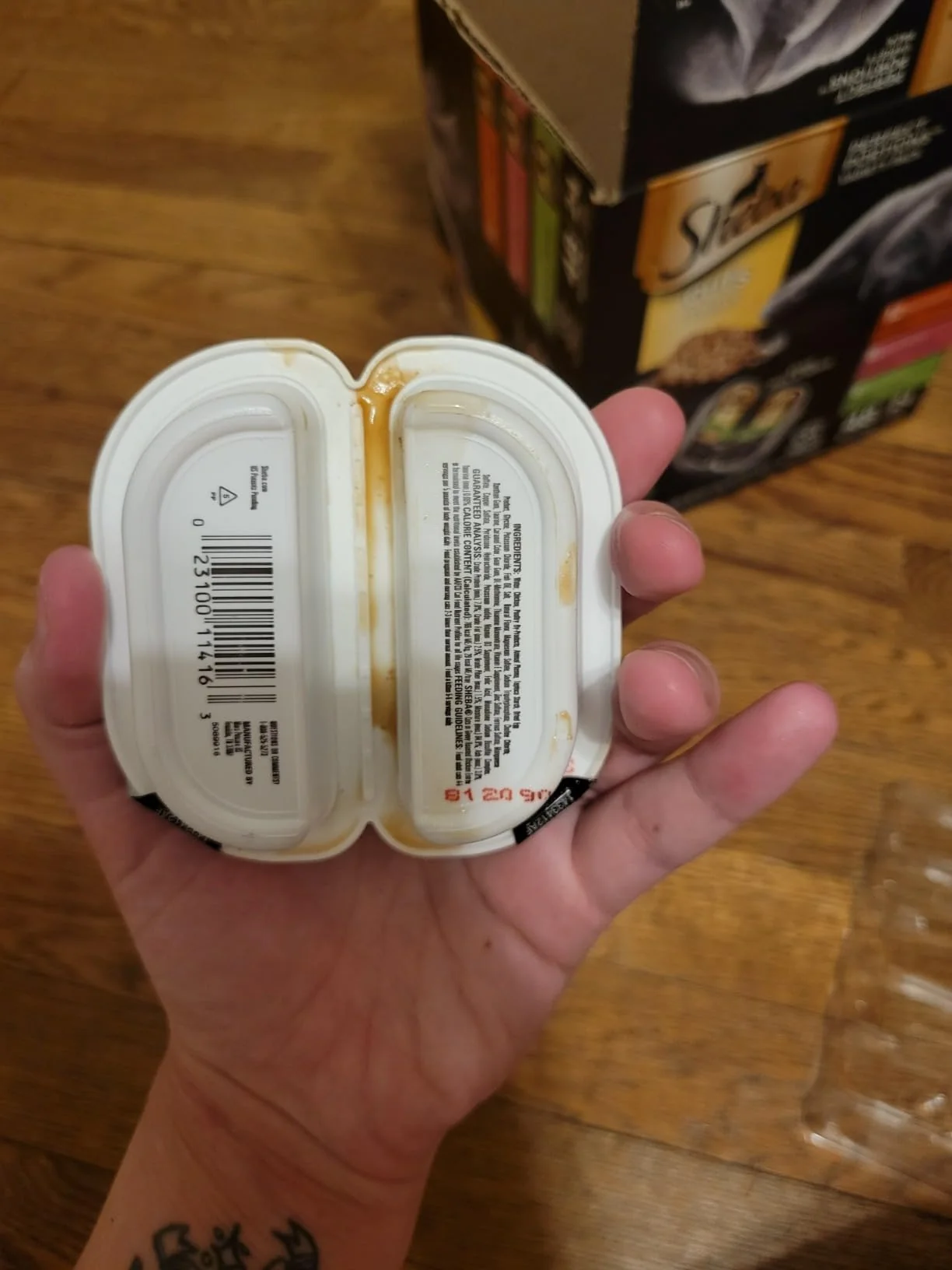
The dead-fly report adds another layer to the problem. Flies can carry bacteria and intestinal waste onto food, so visible insect contamination is a direct reason to stop and inspect the container instead of assuming the meat chunks are still acceptable.
There is also a concern beyond one episode of diarrhea. The supplied evidence notes that severe vomiting and refusal to eat for more than 48 hours can lead cats to rapidly mobilize body fat, increasing the risk of feline hepatic lipidosis, commonly called fatty liver syndrome. That makes prolonged loss of appetite particularly important when a cat becomes ill after eating questionable wet food.
For the reported case, the combination of pre-damaged foil seals, leakage, visible insect contamination, and multiple sick cats warrants serious caution. A damaged lid does not prove what caused an illness, but it is a clear reason not to treat that container as business as usual.
Carrageenan and Gelling Agents in Pâté Cat Food: Common Digestive Concerns
The first clue may not be on the ingredient panel at all. It can be sitting in the bowl: a pâté that suddenly looks paler, softer, and oddly gel-like, followed by a cat that refuses dinner or develops vomiting and loose stools.
One reported case associated with PGH-AUDIT-GB5 described cats in multiple households reacting poorly after a recipe change, while the food itself became lighter and mushier. The complaint also pointed to carrageenan being used in the changed formula, raising questions about whether the new texture was coming from a different balance of meat and added gelling ingredients.
🥄 Feel the Pâté Before You Serve It
Open the can and compare the appearance and texture with an older container if you still have one. Look for an obvious shift in color, a much softer consistency, or a pâté that behaves more like a thick gel than the food your cat previously accepted.
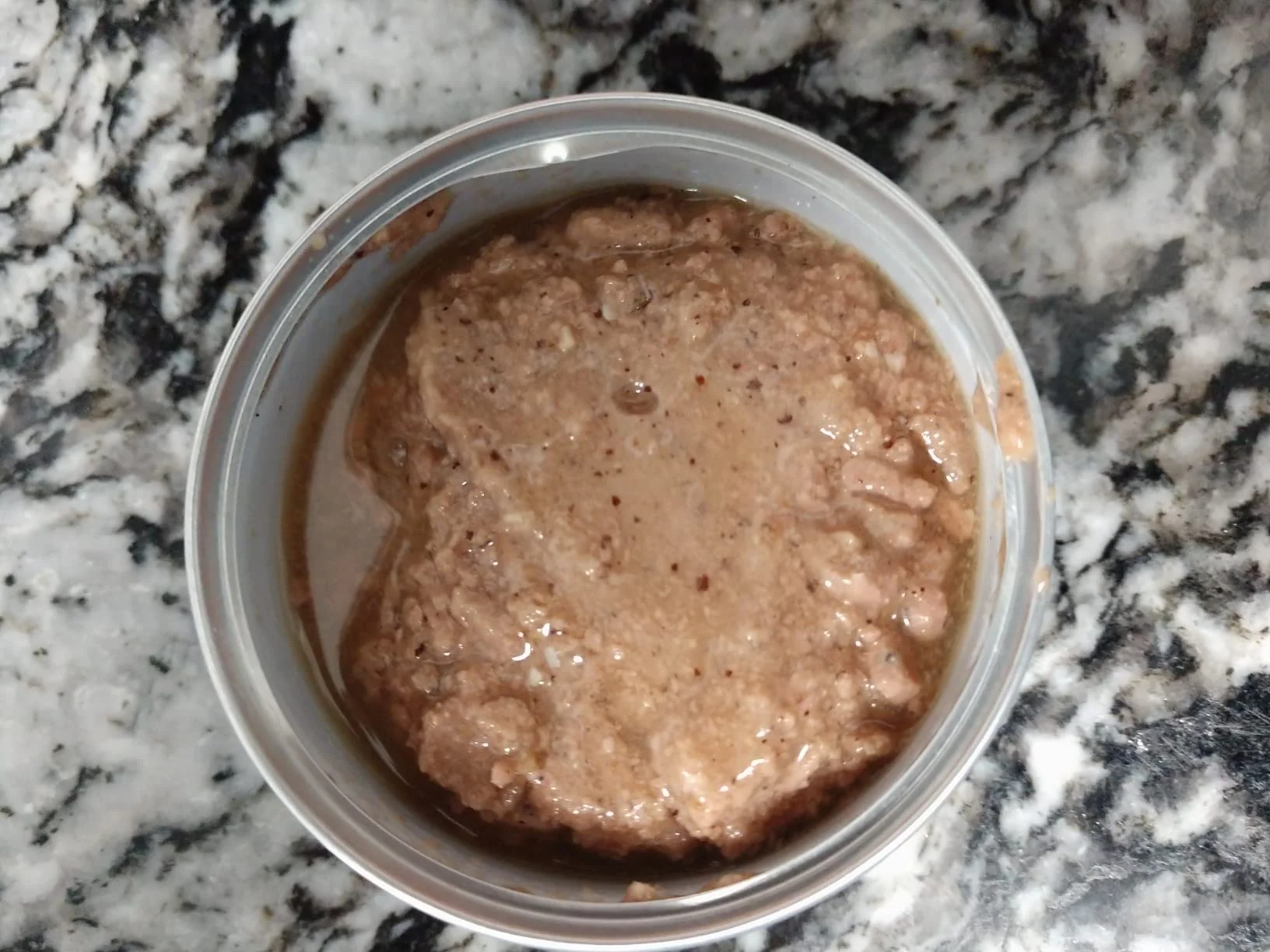
That comparison matters because a texture change can be a formulation clue, even when the label still looks familiar. In the reported cases, cats that had previously eaten the food began rejecting it after the physical character of the pâté changed.
The concern around carrageenan goes beyond whether a cat likes the texture. The supplied scientific evidence describes industrially processed carrageenan as capable of interfering with intestinal cell connections and promoting inflammation of the intestinal lining. In practical terms, that gives owners a reason to pay attention when a sudden formula change and digestive problems appear together, without assuming the ingredient alone proves the cause.
The bigger purchasing lesson is simpler: a thicker pâté is not automatically a meatier pâté. A smooth, firm texture can come from ingredients added to control consistency, so the ingredient list deserves a closer look when the food suddenly feels different.
For PGH-AUDIT-GB5, the reported combination of recipe change, altered texture, carrageenan, and digestive complaints makes that particular product experience worth treating cautiously. A texture change by itself does not establish why a cat became sick, but it is a useful signal to investigate the formula rather than judging the food by appearance alone.
Why Senior Cats and Picky Eaters Refuse Thick Pâté Instead of Gravy
For some cats, "wet food" does not automatically mean food they can comfortably eat. A senior cat with a sensitive mouth, a picky eater that prefers licking gravy, or a cat accustomed to loose chunks can simply walk away when the bowl contains a dense mound of pâté instead.
That mismatch was reported with PGH-AUDIT-BM9T. The package prominently described the food as being "In Gravy," yet the opened cans reportedly contained little to no gravy, leaving several cats from multiple households unwilling to eat it.
🥣 Tilt the Can and Look for the Gravy
Before serving a new case, open one container and tip it slightly over the bowl. Look for actual liquid or loose gravy around the food, rather than assuming the wording on the front of the package tells you what the cat will find.
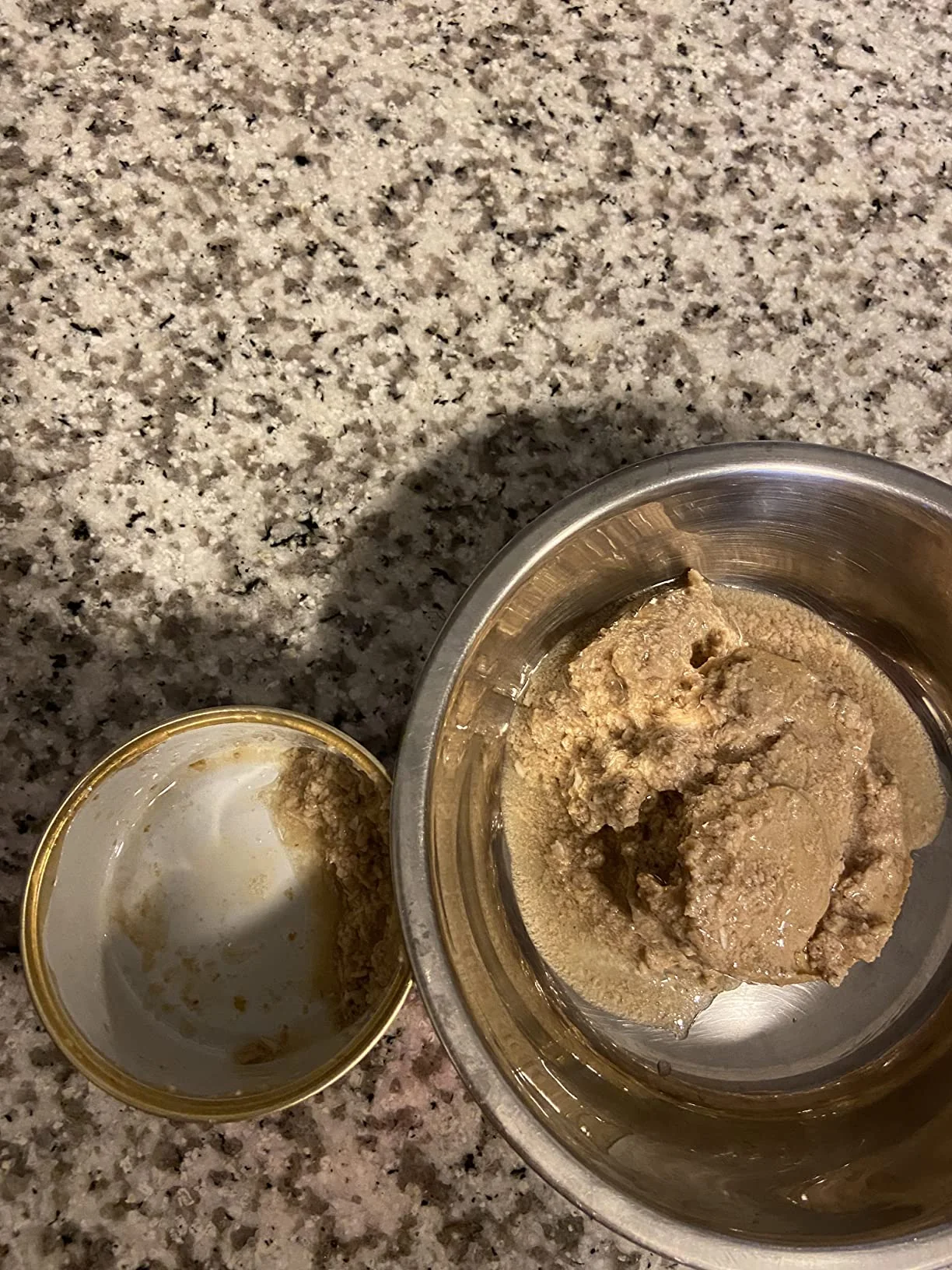
If the contents simply drop out as one dense lump, that distinction matters for cats that rely on licking rather than biting. A cat with missing or weakened teeth may have an especially hard time turning a firm pâté into something it can comfortably consume.
The reported problem was not limited to one famously difficult eater. Several older and selective cats reportedly rejected the food altogether because the texture did not match what they expected from a gravy-style meal.
That can turn a seemingly small labeling mismatch into a full bowl of untouched food. The owner pays for a case marketed around one eating experience, while the cat is effectively being offered something else.
The useful lesson is to judge wet food by what actually comes out of the container, not just by the texture words printed on the label. For the reported case, the absence of expected gravy was enough to make the food unusable for cats that depended on a more lickable meal, so owners of senior or highly selective cats have good reason to check the actual consistency before committing to a full case.
Recognizing Off-Odors and Texture Inconsistencies in Reformed Wet Food Batches
A wet food container can tell you something is wrong before your cat takes a single bite. A sharp, unpleasant odor or strange thread-like material running through the pâté is not something to brush aside simply because the can looks normal from the outside.
Two reported cases, associated with PGH-AUDIT-BM9T and PGH-AUDIT-GB5, described unusual string-like material in the food along with sour or unpleasant odors. The same reports also described changes in color and texture after formula changes, with cats refusing food they had previously eaten.
👃 Smell the Pâté Before the First Bite
Open the container and pause before putting it in your cat's bowl. Look closely at the surface and smell the food; if you notice a distinctly sour, rotten, or otherwise abnormal odor, or see unfamiliar white strands mixed through the pâté, don't assume it is simply part of the recipe.
Not every visible strand is automatically a contaminant. Meat can contain connective tissue that remains visible when processing does not fully break it down, so appearance alone cannot establish what the material is.
The odor is a separate clue. Changes in the fats and other components of meat can produce volatile compounds with unpleasant smells, and a sudden sour odor paired with an unusual appearance is more concerning than either change by itself.
The reported cases also show why consistency from one container to the next matters. When a familiar pâté suddenly becomes lighter, mushier, smells different, or contains material the owner has never seen before, the cat's refusal is useful information rather than simple pickiness.
For these reported cases, the combination of unusual appearance, off-odors, and abrupt texture changes gives owners a practical reason to stop and investigate rather than trying to persuade a reluctant cat to finish the bowl. A strange-looking pâté does not by itself prove spoilage, but a noticeable change in both smell and appearance deserves caution.
Hidden Grains in Wet Food: Why Sensitive Kittens Suffer from Sudden Diarrhea
"Grain-free" on the front of a can creates a simple expectation: no obvious grain ingredients in the meal. But one reported case associated with PGH-AUDIT-NL2W described food marketed as grain-free while grain starch was reportedly found in the formula, followed by gastrointestinal problems among adopted kittens.
The result was not just a disappointing meal. The reported kittens developed vomiting and diarrhea, leaving an entire case of food unusable.
🔎 Read the First Five Ingredients
Before feeding a new wet food to a kitten, turn the can around and examine the ingredient list rather than stopping at the front-of-package claim. Look specifically for grain ingredients and grain-derived starches that may not be obvious from the product name.
The reported case is useful because the concern was not simply that the kittens disliked the food. The complaint connected the claimed grain-free positioning with a later finding of grain starch and described multiple kittens experiencing digestive intolerance.
That does not mean every kitten will react badly to grain, nor does the presence of a grain ingredient automatically prove that it caused diarrhea. The important purchasing issue is whether the ingredient list matches what the packaging leads you to expect.
For young kittens, a sudden switch followed by vomiting or diarrhea can also create a practical problem quickly: food gets wasted while the owner tries to work out whether the issue is the recipe, the transition, or the individual kitten.
In this reported case, the mismatch between the grain-free claim and the reported ingredient finding was enough to justify closer scrutiny. Read the actual ingredient panel before buying a full case, especially when the food is intended for young or sensitive kittens.
CONCLUSION
The main lesson from these cases is that a wet food package deserves a closer look than its label alone might suggest. A dent does not automatically mean the food has spoiled, and a texture change does not prove that a particular ingredient caused digestive problems. But when several warning signs appear together, they become harder to ignore.
A careful buyer can start with the container itself. Deep dents, splits, leaks, lifted foil, or an abnormal lid are reasons to separate that portion from undamaged food. Once opened, smell, color, texture, gravy level, and unfamiliar material can provide useful clues. The ingredient panel also matters when a product makes claims such as grain-free or describes a particular eating experience.
For cats that are selective, older, or accustomed to a specific texture, checking one container before committing to a full case can prevent a costly mismatch. The goal is not to assume every unusual detail is dangerous, but to recognize when the food no longer matches what was expected.
THE ULTIMATE BUYING VERDICT
| Verdict | Key Consideration | Recommendation |
|---|---|---|
| 🔴 Significant concerns | Damaged containers, leaking seals, visible insect contamination, strong off-odors, or major unexplained changes in the food were reported in the supplied cases. | Treat visibly compromised containers separately and avoid treating damaged packaging or clearly abnormal food as normal. |
| 🟡 Acceptable with limitations | Texture, gravy level, color, or ingredient differences may make a food unsuitable for selective cats even when the container itself appears normal. | Open and inspect a container before buying or serving a full case, especially when the cat depends on a particular texture. |
| 🟢 Meets long-term expectations | Consistent packaging, familiar appearance and smell, expected texture, and ingredient information that matches the product's claims are desirable qualities supported by these cases. | Look for wet food that arrives intact and consistently matches its labeling and the eating experience your cat is accustomed to. |