A new bag of dry cat food can create problems that are easy to miss if you only read the front of the package. A cat may react badly after a food change, a large bag may hide mold near the bottom, or a shipment may arrive with a torn seal. Other concerns are less obvious: grain-free food can still contain a large amount of starch, while senior formulas can differ widely in how they balance protein and phosphorus. These issues do not mean every product with corn, meat by-products, grains, or plant starches is unsuitable. The useful lesson is to look past simple marketing claims and check the details that can actually affect a purchase. Ingredient wording, package condition, carbohydrate sources, protein, and phosphorus all deserve attention when comparing dry cat foods.
DEFECT AUDIT OVERVIEW
| Product Area | Common Problems | Why It Matters |
|---|---|---|
| Ingredients and treats | Unclear animal ingredients or a reported reaction after a new food or treat | Makes it harder to identify what changed when a cat develops a concerning reaction |
| Packaging and storage | Torn bags, patched seals, moisture, mold, or abnormal kibble near the bottom of a large bag | Damaged packaging or visible food changes can raise freshness and safety concerns |
| Nutritional profile | Grain-free recipes can remain high in carbohydrates, while senior foods may not balance protein and phosphorus well | Front-of-bag claims do not show the full nutritional picture |
Corn and Meat By-Products in Dry Kibble: Identifying Severe Allergic Triggers
A new bag of dry cat food can look completely ordinary until the first meal goes very wrong. In one reported case, the cat developed heavy drooling, severe swelling around the mouth, and labored breathing after eating the food, with the reaction settling only after the diet was changed.
That makes the ingredient panel worth a much closer look. The same product was reported to list ground corn first, followed by meat by-products across its protein sources. Another reported concern involved an unidentified substance in the food associated with the cat's acute reaction.
The useful takeaway is not that corn or every meat by-product automatically causes an allergy. The reported reaction does not establish which ingredient caused it, and the available evidence does not identify the suspected substance. What it does show is why a dramatic reaction after a diet change deserves more scrutiny than a simple “my cat didn't like the flavor” complaint.
🧾 Read the First Few Ingredients Before the Next Bowl
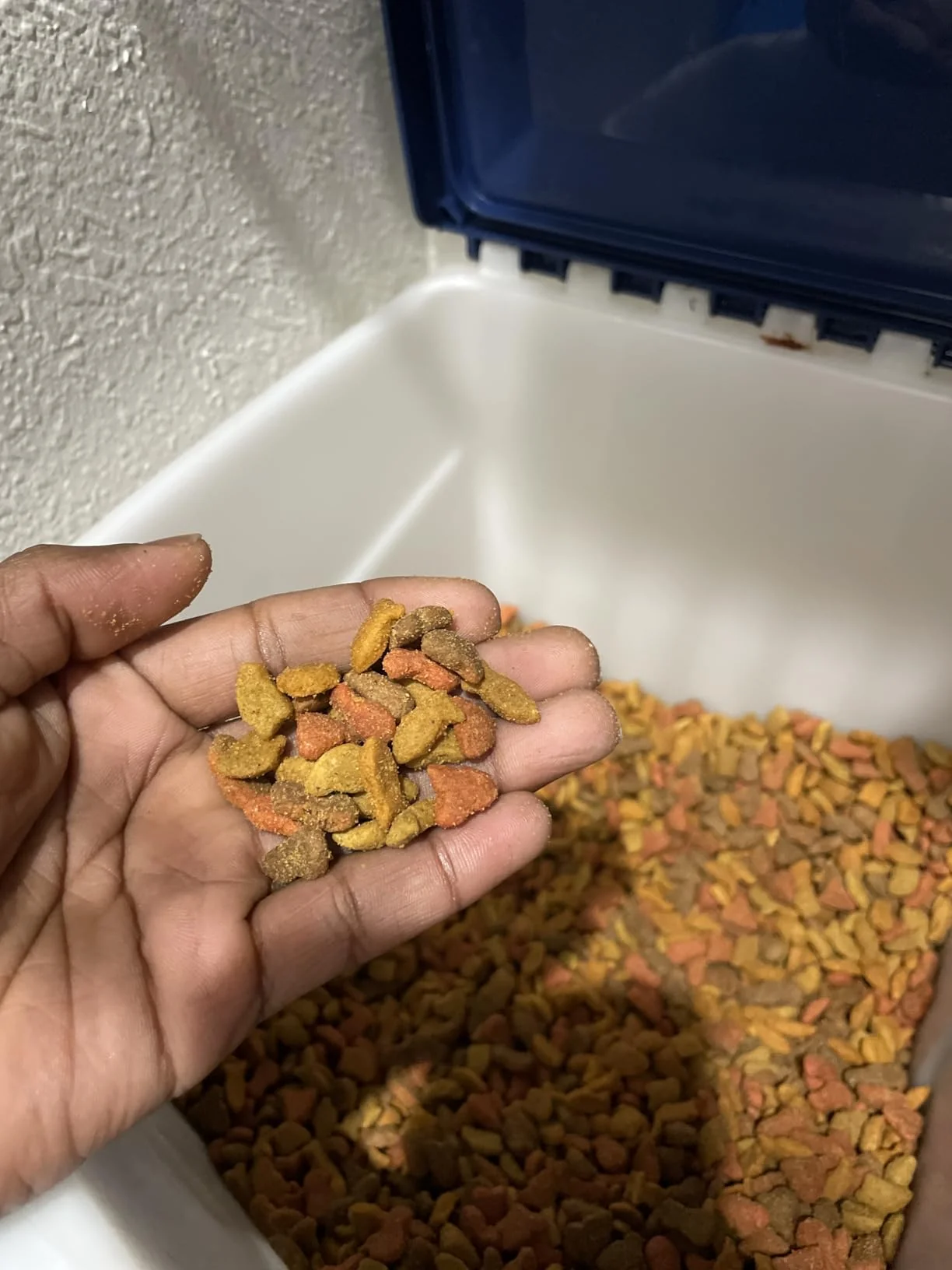
Look at the ingredient panel and note what appears first and how broadly the animal ingredients are described. For this reported case, the first listed ingredient was ground corn, while the meat sources were described as by-products rather than a clearly identified animal source.
That distinction matters when you are trying to trace a reaction. If a cat reacts soon after a food change, keeping the old and new ingredient panels side by side can make it easier to identify what actually changed rather than blaming a single ingredient on appearance alone.
There is also a broader nutritional reason not to judge a kibble solely by its first ingredient. The supplied nutritional evidence emphasizes that cats have specific dietary requirements and that ingredient selection alone does not establish whether a finished food provides an appropriate nutrient profile.
In this particular reported case, the combination of a severe reaction and a poorly explained ingredient trigger is the part worth taking seriously. If a cat develops facial swelling or breathing difficulty after eating a new food, this is no longer just a question of whether the kibble is appealing; veterinary attention is appropriate. The reported case raises enough uncertainty that cautious readers have good reason to examine the ingredient list and feeding history closely before repeating the same food.
When Cat Treats Cause Facial Swelling: Understanding Marine Protein Sensitivities
A treat that used to disappear in seconds can suddenly become the thing your cat refuses completely. In the reported case tied to this product, several cats rejected the treats, while one developed redness and swelling around the lips and eyes severe enough to require prednisone treatment.
That combination deserves more attention than ordinary pickiness. The record also notes concern about tuna content and a formulation that did not make the animal protein source especially clear, leaving the exact trigger unresolved rather than proving that tuna itself caused the reaction.
🐟 Look Closely at the Protein Source
Turn the treat package over and read the complete animal-ingredient wording instead of stopping at the flavor name. If a package simply emphasizes fish or tuna while giving little detail about the actual source, it becomes harder to trace what changed when a reaction appears.
The reported case is particularly useful because the problem was not limited to one cat refusing one flavor. Up to six cats reportedly rejected the treats across multiple varieties, even though they were willing to eat other treats.
There is an important limit to what the available evidence can establish here. The supplied scientific material discusses feline nutritional requirements and formulation accuracy, but it does not provide evidence proving that marine proteins, tuna by-products, or histamine caused this particular reaction.
So the useful lesson is narrower: a facial reaction after a new treat warrants tracing the full ingredient list rather than assuming it was simply an intolerance to the flavor. If swelling or breathing trouble appears, repeating the treat to “see if it happens again” is a poor experiment; veterinary care takes priority.
For this reported case, the combination of facial swelling, treatment with prednisone, widespread treat refusal, and uncertainty around the suspected tuna ingredient is enough to justify caution. The evidence points to a real reported reaction, but it does not identify one ingredient as the proven culprit.
How Moisture Leaks Cause Hidden Mold at the Bottom of Large Dry Food Bags
A large bag of dry food can look perfectly normal from the outside while the problem is sitting where nobody checks: the bottom of the bag. In one reported case, three cats developed vomiting and diarrhea after a food change, while the owner later reported finding mold covering the bottom of the bag roughly two weeks after delivery. That same report described repeated vomiting, including four separate spots, with the cat eating other foods without the same problem. The food was also described as unusually crumbly across both smaller and larger bag sizes. The frustrating part is how easy this is to miss. You can scoop from the top every day and never see what is happening underneath.
🔦 Shine a Light Under the Last Few Scoops
Before throwing away a nearly empty large bag, pull the remaining kibble into a clean container and inspect the bottom carefully. Look for unusual discoloration, clumping, damp patches, or a musty smell rather than assuming every crumbly piece is simply the result of normal handling.
This matters because the reported case specifically involved mold at the bottom of the bag, while the kibble was also described as crumbly.
Moisture is especially worth investigating when a dry-food bag has been opened, damaged, or stored in conditions where water could reach the food. The supplied research notes that consumers have little batch-level information for judging mold and mycotoxin risk in grain-inclusive dry foods, which makes visible inspection one practical warning sign rather than proof of a particular toxin.
The supplied case does not establish that a specific mold or toxin caused the reported vomiting, so that connection should not be treated as proven. What is documented is enough to justify taking sudden digestive trouble seriously when several cats are affected and a mold problem is later found.
For this reported case, the practical warning is simple: don't keep scooping from the top and assume the bag is fine. If the food looks or smells abnormal near the bottom, stop treating it as ordinary kibble and investigate the remaining food rather than feeding through the bag.
Why Unsealed or Damaged Pet Food Packaging Raises Freshness and Safety Concerns
A bag of dry food should arrive sealed. In the reported case associated with #B007JXVR76, that basic expectation repeatedly failed: users described bags arriving torn or already opened, with loose kibble scattered inside the shipping box, and at least one bag had reportedly been torn open and taped shut before delivery.
That is more than a cosmetic packaging complaint. Once a dry-food bag is compromised, the manufacturer's intended barrier against the outside environment can no longer be assumed to be intact. The supplied evidence specifically identifies the damaged packaging as a freshness and safety concern.
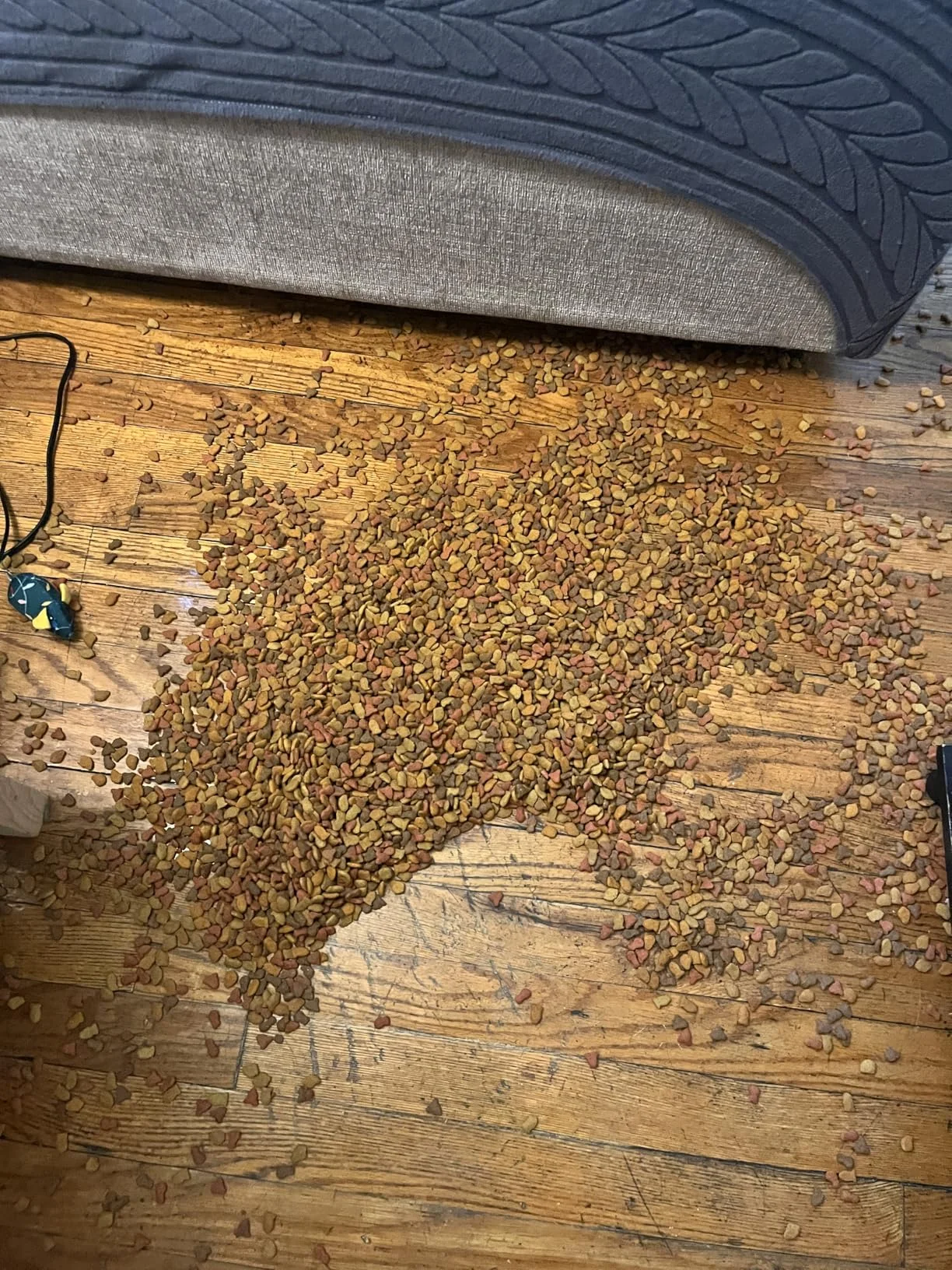
📦 Treat a Patched Bag as a Packaging Failure
Tape across a torn food bag does not tell you whether the contents remained protected before the repair was made. In this case, repeated unsealed or torn bags reportedly created enough concern that some food had to be discarded or donated rather than fed.
It is important, however, not to overstate what the available evidence proves. The supplied file contains no rancidity test, peroxide-value measurement, or laboratory confirmation of oxidation for this product. A damaged package therefore establishes compromised packaging, not a measured level of fat oxidation or proof that the food became toxic.
The practical check is straightforward: inspect the bag for tears, punctures, loose seams, missing seals, or evidence that it was opened and subsequently patched. If the package arrives visibly compromised, the condition of the food cannot be judged from the ingredient panel alone.
For #B007JXVR76, the documented pattern is particularly concerning because the packaging problem was reportedly repeated across multiple orders. A sealed bag is part of the food-safety system; when that barrier arrives damaged, treating the problem as merely a shipping inconvenience overlooks an important part of the evidence.
The Problem with Grain-Free Kibble Relying on High-Starch Peas and Potatoes
“Grain-free” does not mean “low-carbohydrate.” The formulation can simply replace wheat or corn with other starch-bearing plant ingredients such as peas, lentils, or potatoes. The supplied research describes exactly this substitution pattern and reports that grain-free dry cat foods averaged 29.7% carbohydrate, compared with 21.3% for grain-inclusive foods.
That makes the front-of-bag claim less informative than the actual ingredient and nutrient profile. Removing grains can change the source of the starch without removing the carbohydrate load.
🥔 Grain-Free Is Not the Same as Low-Carb
The supplied evidence specifically attributes the higher carbohydrate levels in the analyzed grain-free foods to substitution with pulses and tubers. It also notes that reported carbohydrate values could underestimate actual carbohydrate content because of calculation differences in proximate analysis.
So a useful label check is to look beyond the words “grain-free.” Peas, lentils, potatoes, and similar plant ingredients can still contribute substantial carbohydrate to an extruded kibble. The relevant question is not simply what ingredient was removed, but what replaced it and what the finished food contains.
The supplied material does not establish that a 29.7% carbohydrate diet directly caused obesity or diabetes in a particular cat, nor does it establish that every grain-free diet produces insulin resistance. It does report that excessive carbohydrate intake can impair glucose tolerance in predisposed cats and identifies ≤10% dry-matter carbohydrate as an internal nutritional target in the source material.
That distinction matters. A “grain-free” label is a description of what the recipe excludes—not proof that the recipe is metabolically superior. When comparing two kibbles, checking the actual carbohydrate contribution and the major starch sources gives a much clearer picture than treating grain-free as a synonym for low-carb.
Balancing Protein and Phosphorus in Senior Cat Diets to Protect Aging Kidneys
Senior-cat nutrition is not simply a choice between “more protein” and “less protein.” The supplied evidence points to a tighter formulation problem: protein must remain adequate for maintaining lean tissue while phosphorus also stays controlled. In a 2020 analysis of 92 commercial senior cat foods, only 41% reportedly met the relevant AAFCO nutrient profiles while also remaining below the specified phosphorus limit of 0.9% dry matter (DM).
That finding makes the words “senior” or “kidney-friendly” on a package less useful than the actual nutrient numbers.
🥩 Check Protein and Phosphorus Together
The supplied formulation data identifies 28–32% DM protein as a target range for senior cats and pairs it with phosphorus at ≤0.9% DM. It also cites a 2019 trial in which senior-adult cats receiving a diet containing 30% DM protein and 0.7% DM phosphorus maintained lean body mass while reducing measured uremic toxins compared with the control diet.
At the other end of the comparison, the supplied material identifies phosphorus above 1.2% DM as a concern for cats over 10 years old because of its association with accelerated renal decline.
The practical lesson is that cutting protein indiscriminately is not the same thing as controlling phosphorus. A senior cat's food can be evaluated more meaningfully by looking at both protein and phosphorus on a dry-matter basis, rather than relying on the age category printed on the front of the package.
The evidence does not support treating these figures as a universal prescription for every elderly cat, particularly because individual cats can have very different nutritional and veterinary needs. But it does expose a genuine formulation gap: among the 92 commercial senior foods examined in the cited analysis, fewer than half simultaneously met the specified nutritional and phosphorus criteria.
For an aging cat, “senior formula” is therefore only the starting point. The protein number tells you what the food supplies; the phosphorus number tells you another important part of its renal-nutrition profile. Looking at both is far more informative than assuming an older cat automatically needs a low-protein diet.
CONCLUSION
The safest way to compare dry cat food is to treat the package as a source of information rather than relying on one attractive claim. Check the full ingredient panel, especially when a cat has reacted after a recent food change. For treats, look closely at how the animal protein is actually described instead of assuming the flavor name tells the whole story. Inspect large bags for unusual smell, discoloration, dampness, clumping, or mold before feeding the last portion. A torn or patched package is also worth treating as a real packaging concern rather than a minor delivery issue. Nutritionally, grain-free does not automatically mean low-carbohydrate, and senior food deserves attention to both protein and phosphorus. These checks cannot prove why a particular cat became sick, but they can help a careful buyer notice problems that a front-of-bag claim may hide.
THE ULTIMATE BUYING VERDICT
| Verdict | Key Consideration | Recommendation |
|---|---|---|
| 🔴 Significant concerns | Reported facial swelling or breathing difficulty, visibly damaged packaging, or abnormal food such as mold, dampness, or unusual odor | Avoid repeating a food associated with a serious reported reaction, and do not treat compromised packaging or visibly abnormal food as ordinary kibble |
| 🟡 Acceptable with limitations | Ingredient sources may be broadly described, grain-free recipes may still contain substantial starch, and senior foods vary in protein and phosphorus levels | Compare the full ingredient and nutrient information rather than relying on labels such as grain-free or senior formula |
| 🟢 Meets long-term expectations | Clear ingredient information, intact packaging, normal-looking food, and a nutritional profile that can be evaluated for the cat's needs | Look for products whose ingredients, package condition, protein, phosphorus, and carbohydrate sources can be clearly assessed before purchase |