A careful food switch can still go badly when the food in the new bag is not really the same recipe as the old one. One owner followed a gradual transition and was left with more than 30 pounds of food the dog would not eat after an unannounced formula change. Bloody diarrhea and stomach trouble followed, especially in a dog with a sensitive stomach. Other reported dogs developed severe digestive upset, explosive diarrhea, or extreme gas soon after changing foods.
These cases point to a practical problem: the transition schedule is only part of the change. The actual recipe matters too. A different main ingredient, starch profile, or batch can give a dog a very different experience even when the brand name and feeding instructions look familiar. Small dogs may face an even harder time when vomiting, bloody stool, or refusal to eat continues for several days.
Why Unannounced Dog Food Recipe Changes Trigger Diarrhea Even with a Gradual Transition
You can do everything the label tells you: mix the old food with the new, increase it slowly, and give your dog several days to adjust. But if the food itself has changed without warning, that careful transition may no longer be a true transition at all.
One reported case left a dog owner with more than 30 pounds of food that the dog would no longer eat after an unannounced formula change. The same report described bloody diarrhea and ongoing stomach trouble within days, particularly in a dog that already had a sensitive stomach.
Another case, tracked as PGH-AUDIT-KQ2Y, involved a dog that developed severe digestive upset after the formula changed, making the usual gradual switch difficult to complete. A separate case, PGH-AUDIT-VWVW, described explosive diarrhea only about 1.5 days into a gradual transition.
That distinction matters. A slow change can reduce the shock of moving from one food to another, but it cannot make two materially different recipes behave like the same food.
🐾 Compare the Old Bag Before You Finish the New One
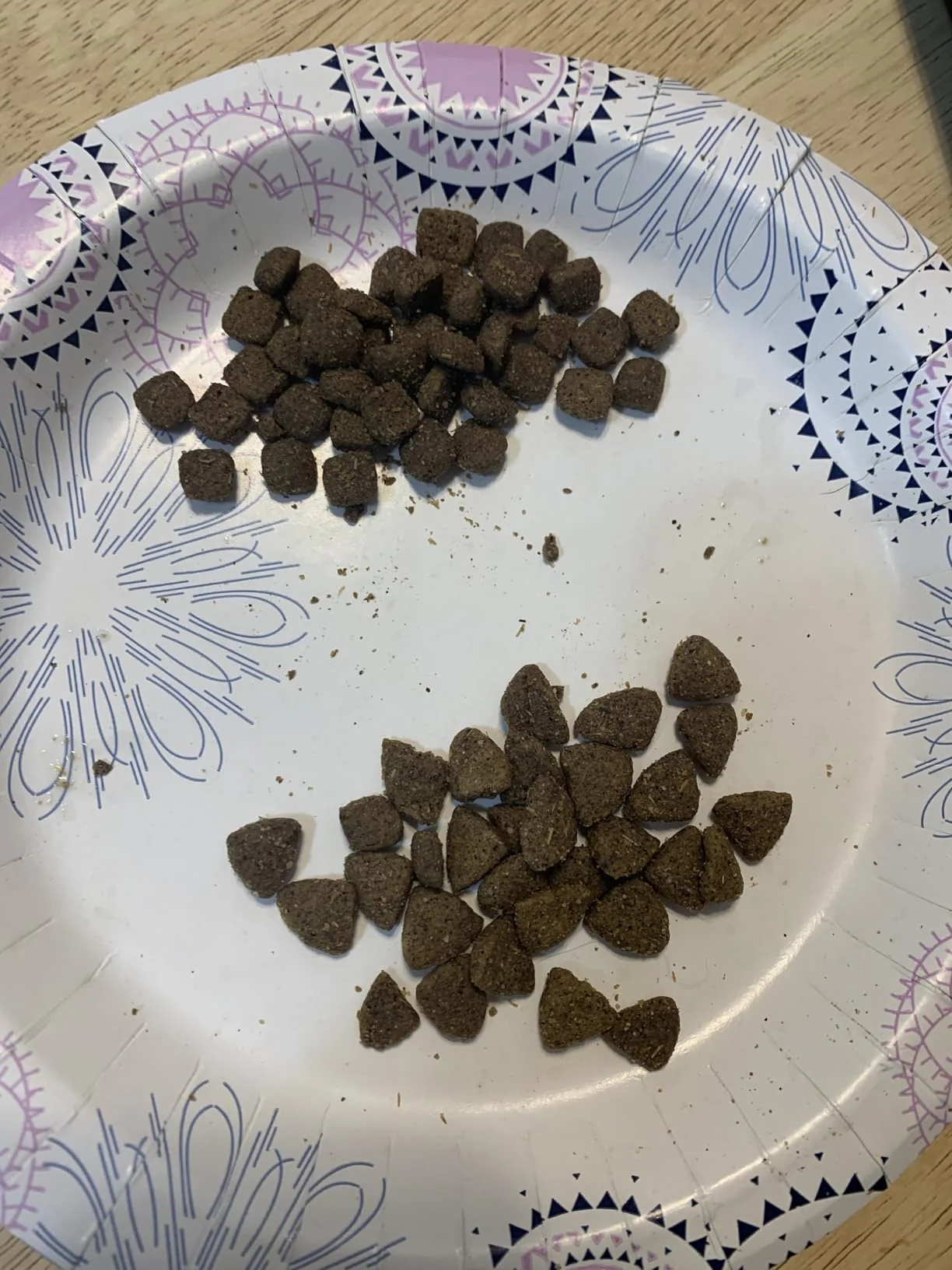
Put an older bag and the newest bag side by side and compare the ingredient lists, especially the first several ingredients. Look for a different named meat or another major ingredient that was not present before.
The science behind the concern is simpler than the terminology makes it sound: commercial dog foods are expected to meet defined nutrient levels, and AAFCO's adult-maintenance profile includes at least 18% crude protein. Research summarized in the supplied material also found that commercial foods can differ in how closely they meet broader nutrient guidelines, meaning a label change is worth taking seriously rather than assuming the food is identical because the brand name stayed the same.
For dogs with sensitive stomachs, a sudden digestive reaction after a recipe change is a reason to pause and document the difference, not simply keep increasing the new food because a seven-day schedule says to.
Current reports point to a batch or formula-specific problem rather than proving that every bag from a brand will behave the same way. Still, when the recipe appears to have changed without notice, cautious owners have good reason to lower their expectations and check the actual ingredient list before buying another large bag.
How Starch Content and Gastric Emptying Rates Influence Severe Gas and Vomiting
A bowl of kibble can look completely ordinary while your dog spends the next several hours producing enough gas to make the room unbearable. One reported 70-pound Lab mix developed extreme flatulence within 48 hours, described by the owner as gas that could "peel paint," while a French bulldog was also reported to have significant stomach upset with the same food.
That does not prove starch was the sole cause in either dog. But it does make the way a food moves through the stomach worth looking at, especially when vomiting, bloating, or repeated digestive trouble appears soon after a diet change.
The supplied research describes gastric emptying as a kind of traffic control. Food that leaves the stomach too quickly can reach the intestine before digestion has had enough time to proceed smoothly, while diets containing more resistant starch were associated with slower gastric emptying in the cited dog study.
🍽️ Look at the Starch Before Blaming Your Dog's Stomach
Check the guaranteed analysis and ingredient list on the bag you are feeding now, then compare it with an older bag if you still have one. The supplied material specifically flags diets with more than 20% total starch combined with low resistant starch as having faster gastric emptying in the cited research.
The same source gives a practical reference point: solid kibble meals should have gastric emptying lasting more than 30 minutes to avoid the rapid movement associated with digestive upset. In the cited 2021 study, dogs fed food with more resistant starch had significantly slower gastric emptying than dogs fed the lower-resistance-starch diets.
So when a dog suddenly develops relentless gas or vomiting, the useful question is not simply, "Is my dog sensitive?" The recipe itself deserves a closer look. A food can be perfectly acceptable for one dog and still produce a very different experience in another.
The reported reactions do not establish that every batch with a certain starch profile will cause vomiting or gas. Still, when severe symptoms repeatedly appear after a particular food, checking the recipe and discussing persistent vomiting or significant abdominal distress with a veterinarian is the safer move than assuming the dog just needs more time to adjust.
Managing Acute Digestive Upset and Stool Issues in Small Breeds After Switching Wet Food
Small dogs do not leave much room for a digestive mistake. When a new wet food turns into repeated vomiting and bloody stool, the problem can move from a messy bowl to a very serious situation surprisingly fast.
One reported case involved a 7-pound Chihuahua and a 10-pound Yorkie mix that developed bloody diarrhea, vomiting, and refusal to eat after switching foods. The symptoms continued for days, and the owners ultimately had to fall back on simple homemade meals and seek emergency veterinary care.
The particularly frustrating part was that the dogs were not simply having one bad bowel movement. Reports described persistent illness after the switch, with owners abandoning the food altogether because their dogs could no longer tolerate it. Another household reportedly saw more than one dog become sick after eating from the same batch, making the experience even harder to dismiss as an individual quirk.
🩺 Look at the Stool Before Offering Another Bowl
If your small dog has already reacted badly to a new wet food, stop treating every meal like another experiment. Check the stool for blood, unusual color, or repeated watery output, and pay attention to whether vomiting is happening alongside it.
Then look back at what changed: the exact food, the batch, and how quickly the symptoms appeared. In the reported small-dog cases, the reaction was severe enough that owners returned to simpler foods and sought veterinary help rather than continuing the transition.
A food that causes repeated vomiting or bloody diarrhea is not something to "push through" merely because the dog needs time to adjust. For a tiny dog, several days of refusing food and losing fluids can become a much bigger problem than the original food switch.
These reports do not establish that every small breed will react this way, or that one specific ingredient is responsible. But when bloody stool, repeated vomiting, or refusal to drink or eat appears after a new food, the safest response is to take the reaction seriously and get veterinary guidance rather than keep testing the same batch.
CONCLUSION
A gradual transition is useful, but it cannot make two different recipes behave as though they are identical. Before buying another large bag, compare the newest food with an older bag if you still have one. Check the first several ingredients and look for a changed meat or another major ingredient. Also compare the guaranteed analysis when digestive problems appear after a recipe change.
Severe gas or vomiting deserves a closer look at the food rather than an automatic assumption that the dog simply needs more time. The supplied research found differences in gastric emptying linked with resistant starch levels, although those findings do not prove that a particular starch level will cause symptoms in every dog.
For small dogs, repeated vomiting, bloody diarrhea, or refusal to eat or drink should not be treated as something to push through. Stop testing the same food and seek veterinary guidance when symptoms are serious or continue.
THE ULTIMATE BUYING VERDICT
| Verdict | Key Consideration | Recommendation |
|---|---|---|
| 🔴 Significant concerns | Unannounced recipe changes, repeated vomiting, bloody diarrhea, or severe digestive upset after a food switch are important warning signs. | Do not keep pushing the same food when serious symptoms appear; check the recipe and batch and seek veterinary guidance when needed. |
| 🟡 Acceptable with limitations | A food may work for some dogs while causing gas or digestive trouble in others, and reported reactions do not prove every batch will cause the same problem. | Compare the current and older labels, make changes gradually, and pay attention to how your own dog responds. |
| 🟢 Meets long-term expectations | A suitable food should remain consistent enough for owners to make a controlled transition and should not repeatedly cause digestive problems for the dog eating it. | Look for clear recipe information, compare bags when something seems different, and choose a food your dog can tolerate consistently. |