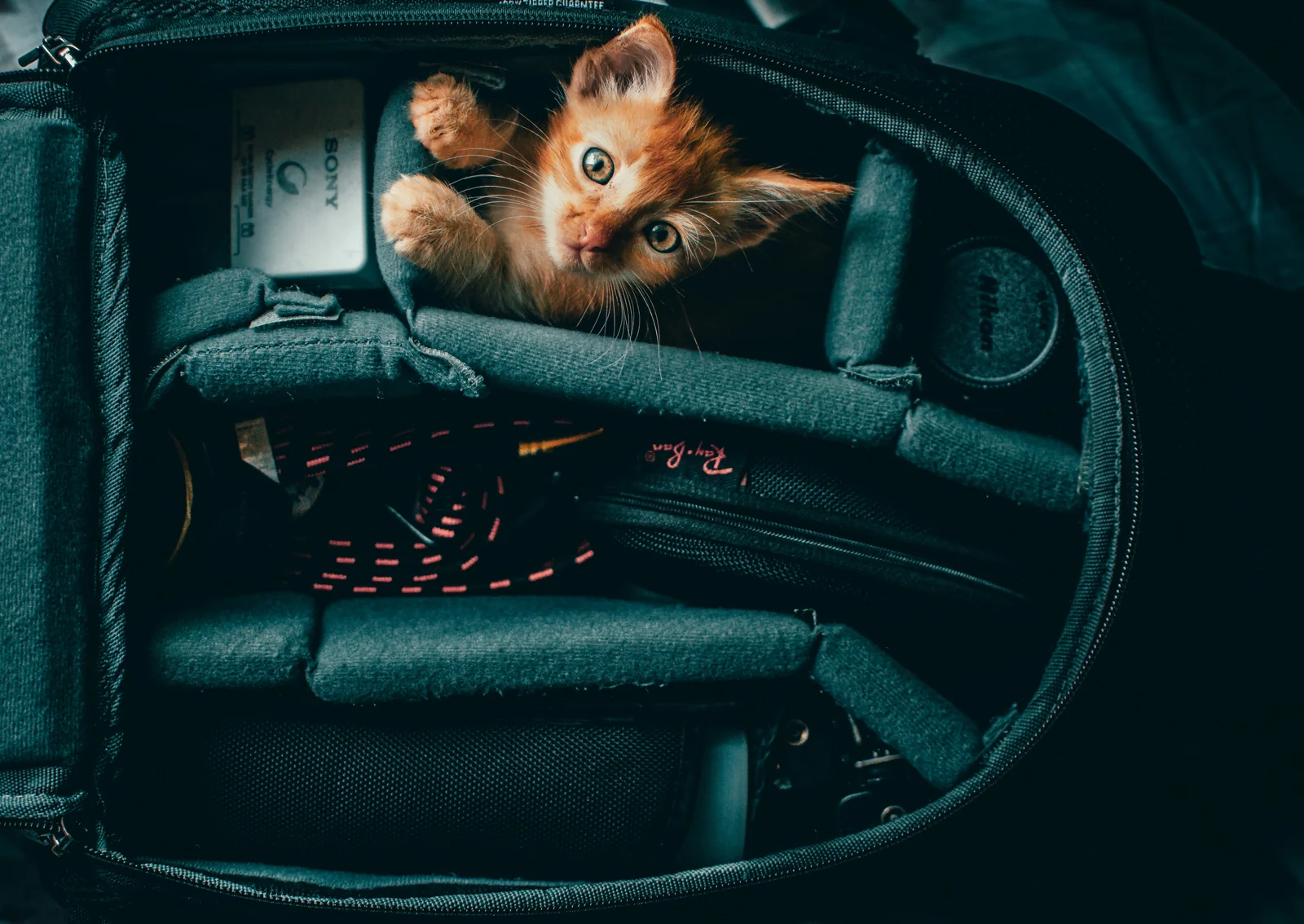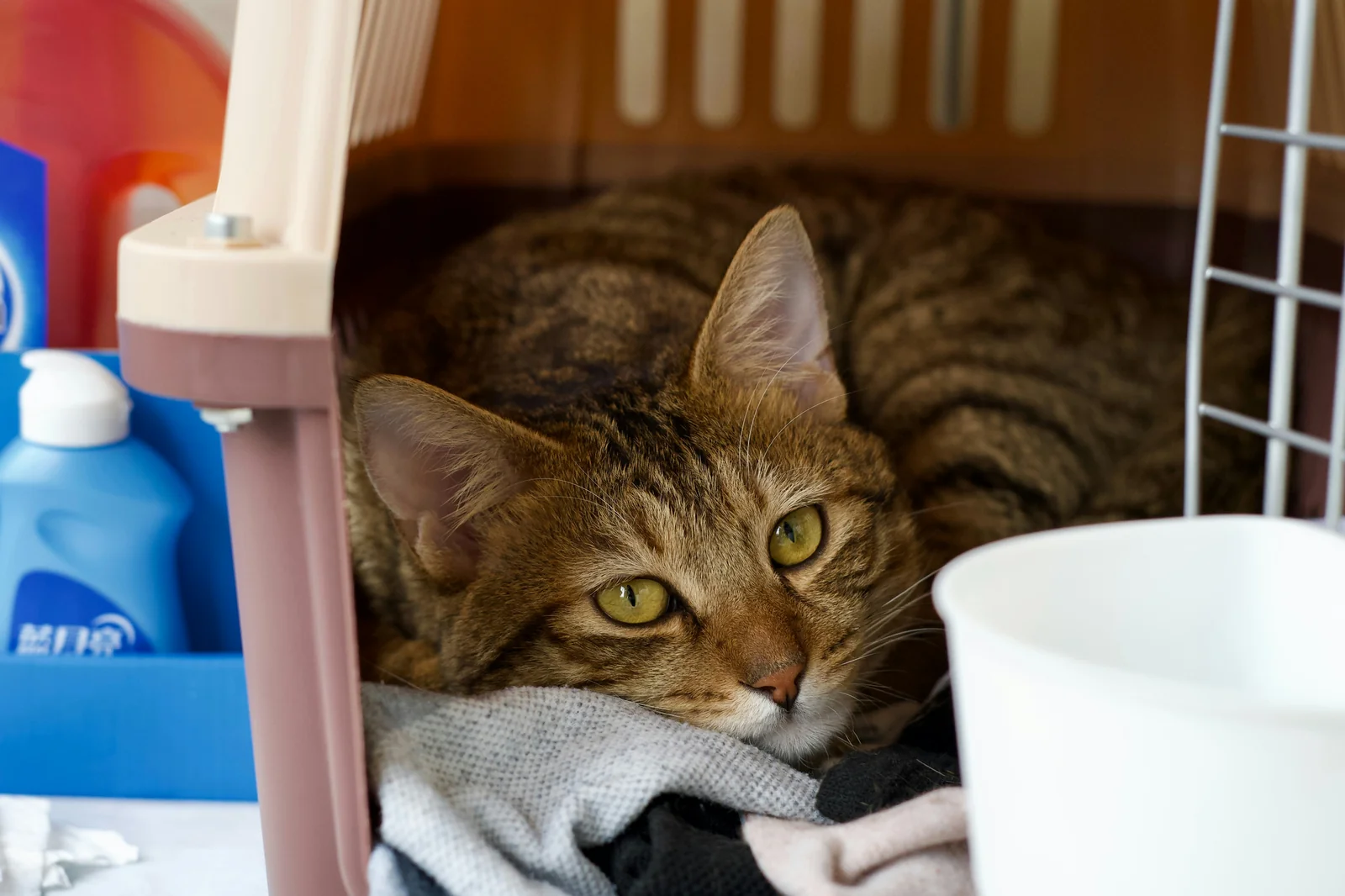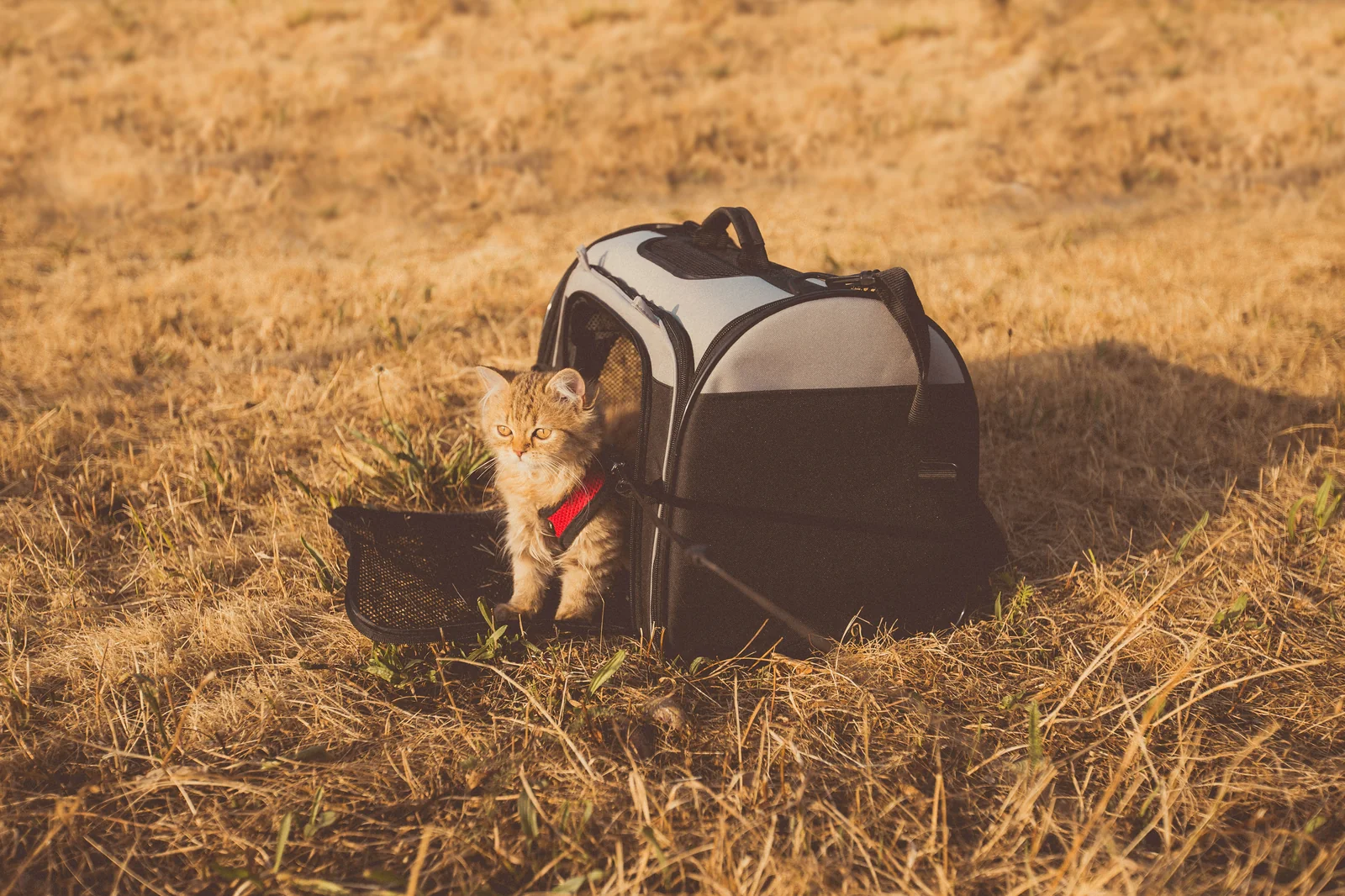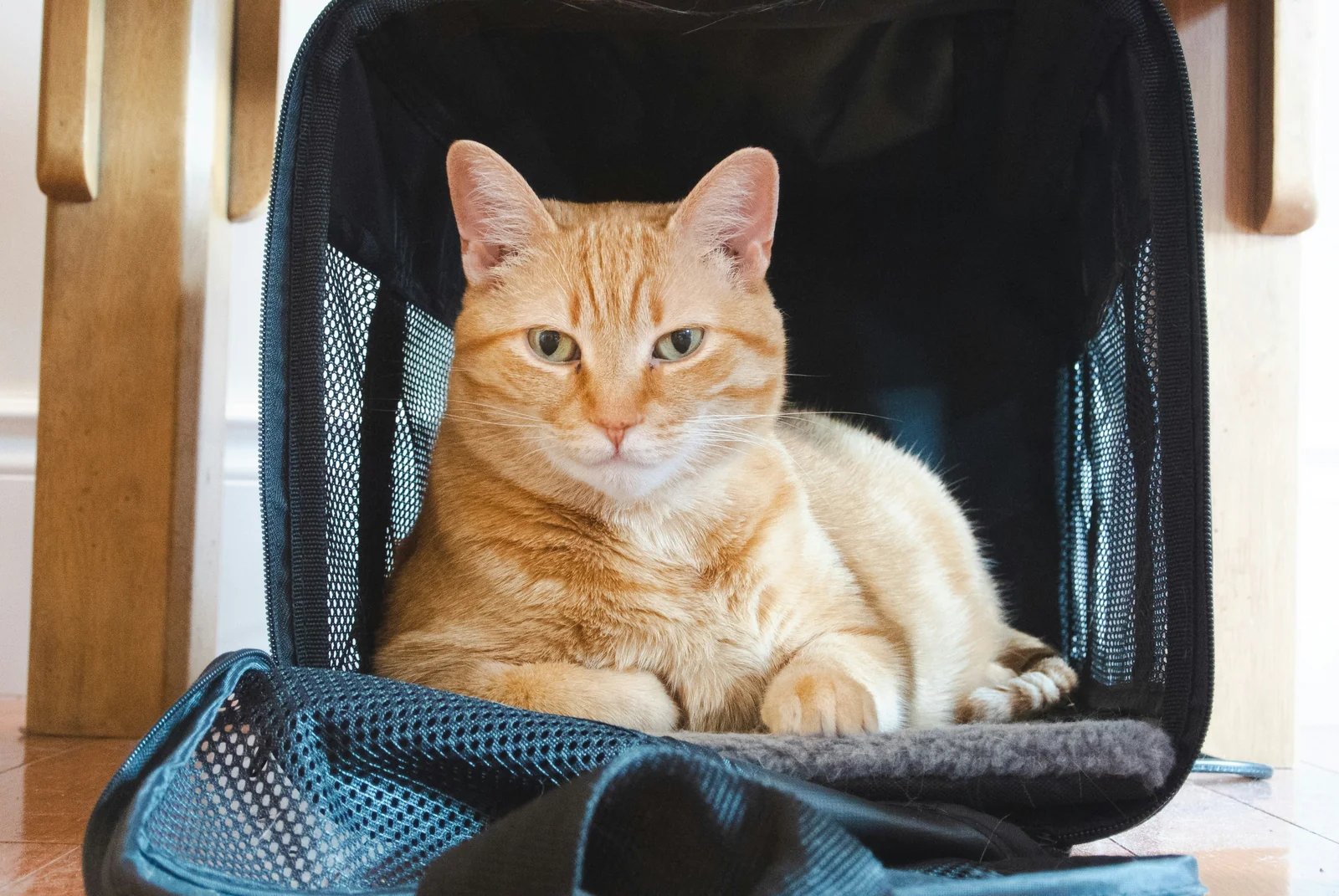
A cat carrier can seem fine until the trip starts. The walls may fold when your cat shifts, the zipper may separate when a frightened cat pushes against it, or the carrier may roll across the car floor when your pet moves. For larger cats, the problem can start even earlier: the usable space may be much smaller than the number shown on the product listing.
The reported cases in this article also show why small details matter. Weak floor panels have reportedly cracked during flights, some carriers have allowed urine to leak through the seams, and limited ventilation has made already anxious cats more uncomfortable. Even a carrier that avoids these failures still needs to make getting the cat inside manageable.
The better approach is to judge the carrier by what it does under real use, not just how it looks in a product photo. Check the walls, measure the usable interior, test the zipper, inspect the floor and liner, and make sure the carrier can stay firmly positioned during travel.
CONSUMER EVIDENCE OVERVIEW
| Product Area | Common Problems | Why It Matters |
|---|---|---|
| Carrier structure and size | Walls fold inward, floor support breaks, usable space is smaller than advertised | A cat may lose stable space for moving, standing, turning, or lying down |
| Closures and containment | Zippers separate, carriers roll or tip, liners leak through seams | A carrier that opens, moves, or leaks can create serious problems during transport |
| Travel comfort and entry | Limited airflow, persistent odors, difficult front-only entry | An anxious cat may become harder to manage and less comfortable during the trip |
Why Soft-Sided Carriers Fold Inward When Pets Move or Shift Weight
A soft-sided cat carrier can look perfectly fine on the shelf, then become a different object the moment a cat turns around. Without enough support inside the walls, a simple shift of weight can make the sides bow inward, reducing the usable space right when your cat needs to move.
That is what makes the failures tied to PGH-CASE-TSZCR and PGH-CASE-K65 worth paying attention to. One carrier reportedly collapsed repeatedly while an anxious young cat was inside, while another folded when a second pet stepped on top; reviewers compared the feel to a bag with straps or a sack of potatoes.
The practical problem is not that fabric is inherently bad. It is that a carrier advertised as soft and portable still needs to hold its shape when the cat moves, the carrier is bumped, or outside weight lands against it.
The supporting information for this section points in the same direction: thin panel material can give way when pressure is concentrated in one spot, while thicker, stronger construction holds its form better. In plain English, if the walls have little ability to resist being pushed inward, your cat becomes the thing occupying the space that the carrier should have been holding open.
🐾 Push the Side Before the Next Trip
Set the empty carrier on a flat surface and press gently against the middle of each side with your hand. If the wall folds deeply with very little pressure, imagine that same panel being pushed by a moving cat—or squeezed by something outside.
Then put the carrier down and shift it slightly from side to side. If the walls buckle instead of returning to shape, that is a practical warning sign, especially for an anxious or restless cat.
For PGH-CASE-TSZCR, the reported collapse happened with the cat inside and also after another pet stepped on the carrier. That is more than a cosmetic wrinkle: the available interior can disappear as the walls fold inward, while the cat has fewer stable surfaces around it.
A soft carrier does not need to feel like a plastic box, but it should not behave like an empty tote bag either. The current reports around these cases make carriers with little or no meaningful support worth approaching cautiously, particularly when the intended trip involves a nervous cat, crowded spaces, or anything that could place pressure on the carrier.
How Interior Sizing Affects Movement for Cats Over 14 Pounds
A carrier can look "large" in a product photo and still leave a big cat with nowhere useful to move. For cats over 14 pounds, a few lost inches inside the bag can turn standing, turning, and lying down into a constant squeeze.
That mismatch appears in several reported cases. PGH-CASE-KX9 and PGH-CASE-CZ1 were described as having enough advertised space but reportedly could not comfortably contain a 14-pound animal, while PGH-CASE-R2L was listed at 17.5 inches but reportedly measured only 16.5 inches.
That one-inch difference is not just a shopping-spec annoyance. Once padding, lining, seams, and the carrier walls take up part of the advertised measurement, the cat gets the leftover space—not the number printed on the listing.
The sizing guidance supplied for this section gives a useful benchmark: interior length should be at least 1.2 times the cat's body length, measured from the nose to the base of the tail. The supplied research also reports that carriers below the cat's full body length were associated with a 37% rise in cortisol, making cramped transport more than a simple comfort issue.
📏 Measure the Inside, Not the Marketing
Before buying, measure your cat from nose to the base of the tail, then compare that number with the carrier's actual usable interior length. Do not rely on the outside dimensions alone.
For a larger cat, also look at what happens when the lining is installed. If the listed 17.5-inch length becomes 16.5 inches in real use, that missing inch can matter when the cat needs to turn around or settle into a natural position.
The reported PGH-CASE-R2L case is a good reminder to check the physical space rather than assuming the listing tells the whole story. The same product was reported as smaller than advertised, alongside complaints that it was too cramped for the animal being transported.
For a cat above 14 pounds, "large" should describe the space available to the cat, not merely the size printed on the package. When the measured interior falls short, these reported cases deserve extra caution before being trusted for longer trips.
Plastic Zipper Separation During High-Stress Travel and Transport
A zipper can feel secure in your hand and still become the weakest part of a carrier when a frightened cat starts pushing against it. During a rescue run or veterinary trip, one failed tooth can turn a closed carrier into an open exit.
That pattern appears across four reported cases: PGH-CASE-1X9, PGH-CASE-TSZCR, PGH-CASE-TQDCZ1, and PGH-CASE-3SRJP. Reports describe zippers sticking, popping apart, or losing their teeth during transport, with some owners resorting to safety pins or manually straightening the zipper just to keep the carrier closed.
The setting makes the failure especially inconvenient. A cat escaping in a parking lot, outside a clinic, or during a rescue transfer is not something you can simply pause and fix later. The reported rescue case involving PGH-CASE-TSZCR specifically describes a kitten nearly getting loose after a zipper failure during critical transport.
🧷 Tug the Zipper Before You Leave
Close the carrier completely, then gently pull along the zipper from several points instead of only checking whether it slides smoothly. If the teeth separate, the slider catches, or the closure opens when the fabric is lightly pulled apart, do not treat that as a harmless quirk.
Look closely for bent teeth or sections that no longer stay joined after the slider passes. Several reported cases involved exactly those kinds of failures, including broken, stuck, or popped-off plastic zippers.
A safety pin may keep a zipper shut temporarily, but having to improvise a second lock before every trip is itself useful information about the carrier. For high-stress transport, a closure that stays together under ordinary pulling is a basic requirement, not an optional upgrade. The reported failures in these cases make extra caution sensible before relying on the affected carriers for rescue or veterinary travel.
Cracked Wooden Baseplates and Inadequate Floor Support on Flights
An airline-ready label does not help much if the floor underneath the cat gives out on the first trip. A carrier can arrive at the airport looking perfectly serviceable, then lose its bottom support once the weight shifts during handling or flight.
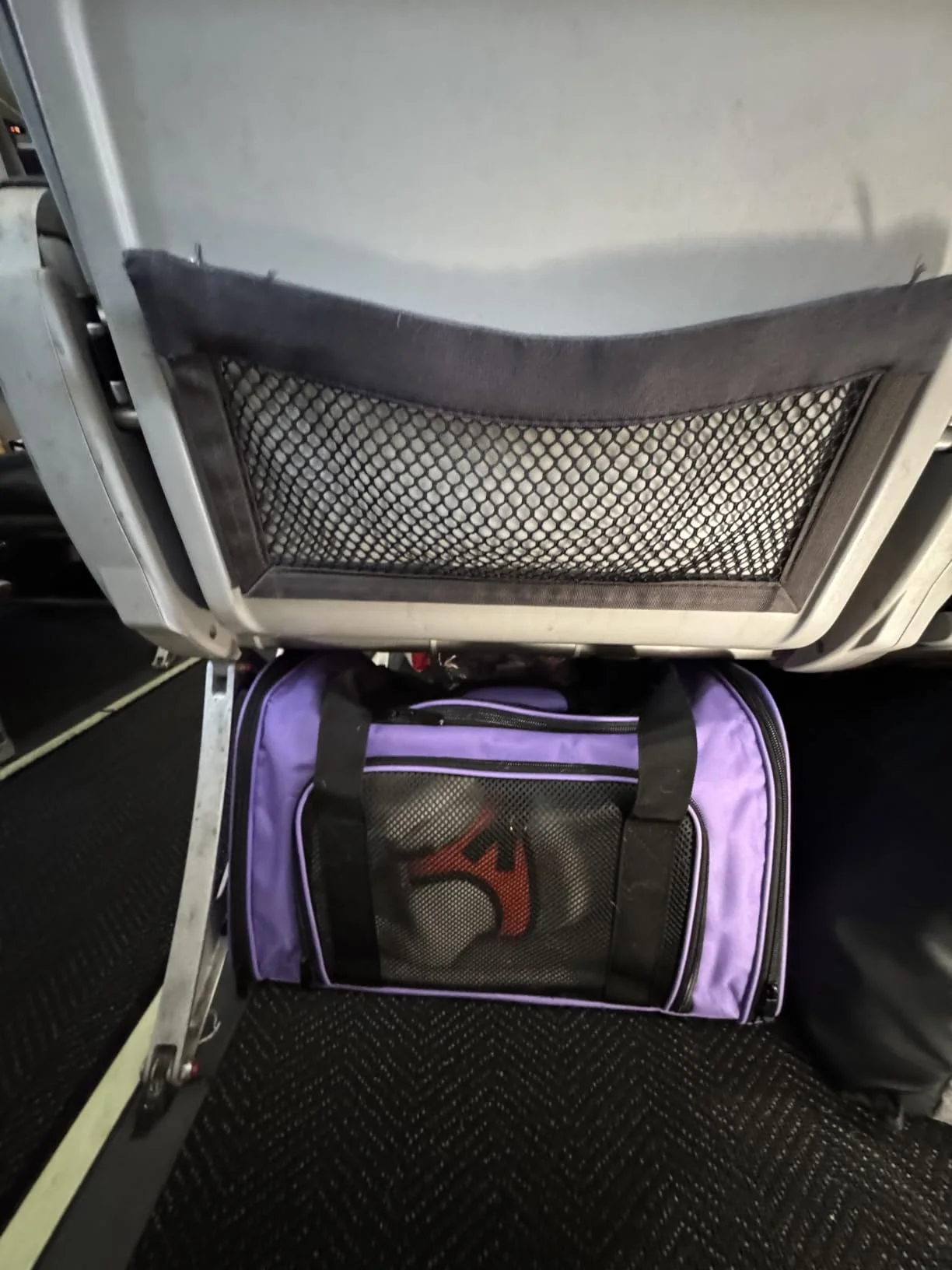
That is the recurring problem reported across PGH-CASE-1KX9, PGH-CASE-BK65, PGH-CASE-SZCR, PGH-CASE-DCZ1, and PGH-CASE-SRJP. In these cases, reviewers reported wooden base panels cracking or breaking on a first flight, leaving the carrier without the firm floor it was supposed to provide.
The financial hit can be especially annoying when the failure happens after the trip has already started. One reported case describes a cracked base on the first flight that left the carrier unusable and also resulted in a missed return window.
The supplied flight-safety guidance sets a higher bar than simply asking whether the bag is marketed for air travel: the floor should withstand 1.5 times the expected load when subjected to the kind of force associated with transport. The practical takeaway is simple—a thin board that bends, splits, or gives way under shifting weight is not giving the cat a dependable floor.
🪵 Lift the Floor Before You Fly
Open the carrier and press firmly but carefully across the middle of the base, then near the edges. Look for cracking sounds, obvious flexing, raised seams, or a panel that feels soft in one particular spot.
Next, lift the carrier by its normal carrying points while the empty floor is installed. Watch whether the bottom stays level or visibly sags; a weak panel can reveal itself before a cat ever gets inside.
The reported cases make this worth doing before an important trip. PGH-CASE-BK65 and PGH-CASE-SZCR both include reports of a thin wooden base breaking during a first flight, while similar complaints appear with the other listed cases.
A carrier does not become dependable simply because an airline-use claim appears on the listing. For frequent travelers, the actual floor deserves the same scrutiny as the zipper, handles, and walls. With five reported cases showing the same type of failure, these particular cases are worth approaching cautiously before trusting them for air travel.
Chemical Odor and Seam Leaks from Unsecured Bottom Liners
A carrier can look clean when it arrives and still become a miserable piece of luggage once the cat actually uses it. Strong chemical smells and leaking seams create two separate cleanup problems that quickly become one very expensive mess.
The reported case PGH-CASE-R2L is particularly difficult to ignore: the carrier was described as having a petroleum-like odor that remained for more than a year despite repeated attempts to air it out. The same case also involved urine leaking through the seams during the cat's first use, contaminating the car seat and leaving the carrier unusable.
That combination matters because stressed cats do not always give you a convenient warning before they urinate. If the bottom liner shifts and the seams allow liquid through, the carrier can turn into a portable leak source before you even realize what happened.
The odor is another practical red flag. A persistent petroleum or chemical smell is not something an owner should have to tolerate for months just because the carrier was inexpensive. In the reported case, repeated airing did not solve the problem.
💧 Check the Liner Before Putting Your Cat Inside
Place the empty carrier somewhere easy to clean and inspect the entire bottom liner, especially where the floor meets the side panels. Look for gaps, loose sections, exposed seams, or a liner that moves when you press around its edges.
Then smell the inside before use. If the odor is immediately harsh and remains after reasonable airing, do not assume your cat will simply "get used to it."
The reported PGH-CASE-R2L case also found that urine passed through the seams and reached the vehicle seat, after which the carrier was discarded.
A removable liner that actually stays in place and a bottom that contains accidents are basic conveniences for real-world transport. When a carrier combines a persistent odor with reported seam leakage, this particular case gives buyers a good reason to be cautious rather than trusting the listing alone.
What Causes Carriers to Roll or Tip During Car and Long-Distance Travel
A carrier does not have to break apart to become a problem in the car. If the bag can slide, roll, or tip when the cat shifts around, a normal turn or sudden stop can turn the trip into a wrestling match.
The reported cases show how quickly that can happen. PGH-CASE-R2L was described as requiring the owner to hold the carrier throughout the ride, while PGH-CASE-BK65 and PGH-CASE-DCZ1 involved anxious cats rolling soft carriers across the floor on the way to veterinary appointments.
That becomes more important on a long-distance drive, where the carrier may face repeated acceleration, braking, and cornering. A bag that starts moving across the floor can eventually end up against a door, under a seat, or on its side—and the cat has to ride out every change in position from inside.
The supplied transport research describes the difference between a loose carrier and one that is properly secured: in a simulated 30-mph frontal collision, unsecured carriers produced much higher injury risk, while properly anchored rigid carriers reduced peak forces substantially.
🚗 Shake the Carrier Before the Road Trip
Put the empty carrier where you plan to transport it and give it a controlled push from several directions. If it immediately slides, tips onto an edge, or rolls instead of staying put, do not assume the cat's weight will magically stabilize it.
Check whether the carrier has a practical way to keep it from moving, such as a secure attachment point or a design that sits firmly on the vehicle seat. Then test the setup before the cat gets inside.
The reported PGH-CASE-BK65 case is a useful warning: an anxious cat reportedly caused the carrier to roll uncontrollably across the floor during a trip for surgery. Another reported case described the owner having to hold the carrier during the ride because it was not sturdy enough for a larger cat.
For a move or other long-distance trip, "I can hold it if necessary" is not a real securing plan. These reported failures make a carrier that can stay firmly positioned in the vehicle a much more sensible starting point than a soft bag that depends on the passenger's hands to keep it upright.
Ventilation Requirements and Airflow Concerns in Confined Enclosures
A carrier can have mesh panels and still feel like a stuffy little box once the cat is inside. Small openings scattered around the sides are not the same thing as enough open area for air to move through.
That concern appears repeatedly in PGH-CASE-1KX9, PGH-CASE-BK65, and PGH-CASE-DCZ1. Reports describe poor ventilation, with the combination of cramped space and weak airflow making already anxious animals more distressed.
The supplied guidance gives a concrete benchmark: ventilation openings should cover at least 20% of the side area, with the stated concern that enclosed conditions can allow carbon dioxide to rise above 5,000 ppm. That gives buyers something more useful than simply trusting a listing that says "breathable."
And there is a practical distinction worth remembering: a few tiny holes do not automatically make a carrier well ventilated. A cat needs usable open area around the enclosure, not just decorative perforations that look convincing in product photos.
🌬️ Look at the Side Panels Before Loading the Cat
Hold the empty carrier up and look directly at each side. Check how much of the actual side surface is open mesh rather than fabric, padding, or solid material, and make sure openings are not blocked once the liner is installed.
Then place your hand near the mesh while gently moving air across the outside. You should be able to notice airflow through the open sections rather than finding that most of the carrier behaves like a sealed fabric pouch.
The reported cases involving PGH-CASE-1KX9, PGH-CASE-BK65, and PGH-CASE-DCZ1 all include ventilation complaints, making this an especially relevant pre-trip check for cats that become hot or distressed during transport.
For a longer drive or a nervous cat, airflow should be treated as a basic requirement, not a bonus feature. These reported carriers deserve extra caution when the available openings appear too limited to provide genuinely open sides.
How Pheromone Sprays and Top Openings Help Anxious Cats Enter Carriers
Getting a reluctant cat into a carrier is often harder when the only entrance is a narrow front door. A frightened cat may brace its paws against the opening, back away, or resist being pushed forward, turning a simple trip into a full-body struggle.
A top-loading cat carrier changes that approach. Instead of forcing the cat through a front opening, the wider top access allows the cat to be lowered into the carrier with less pushing and repositioning.
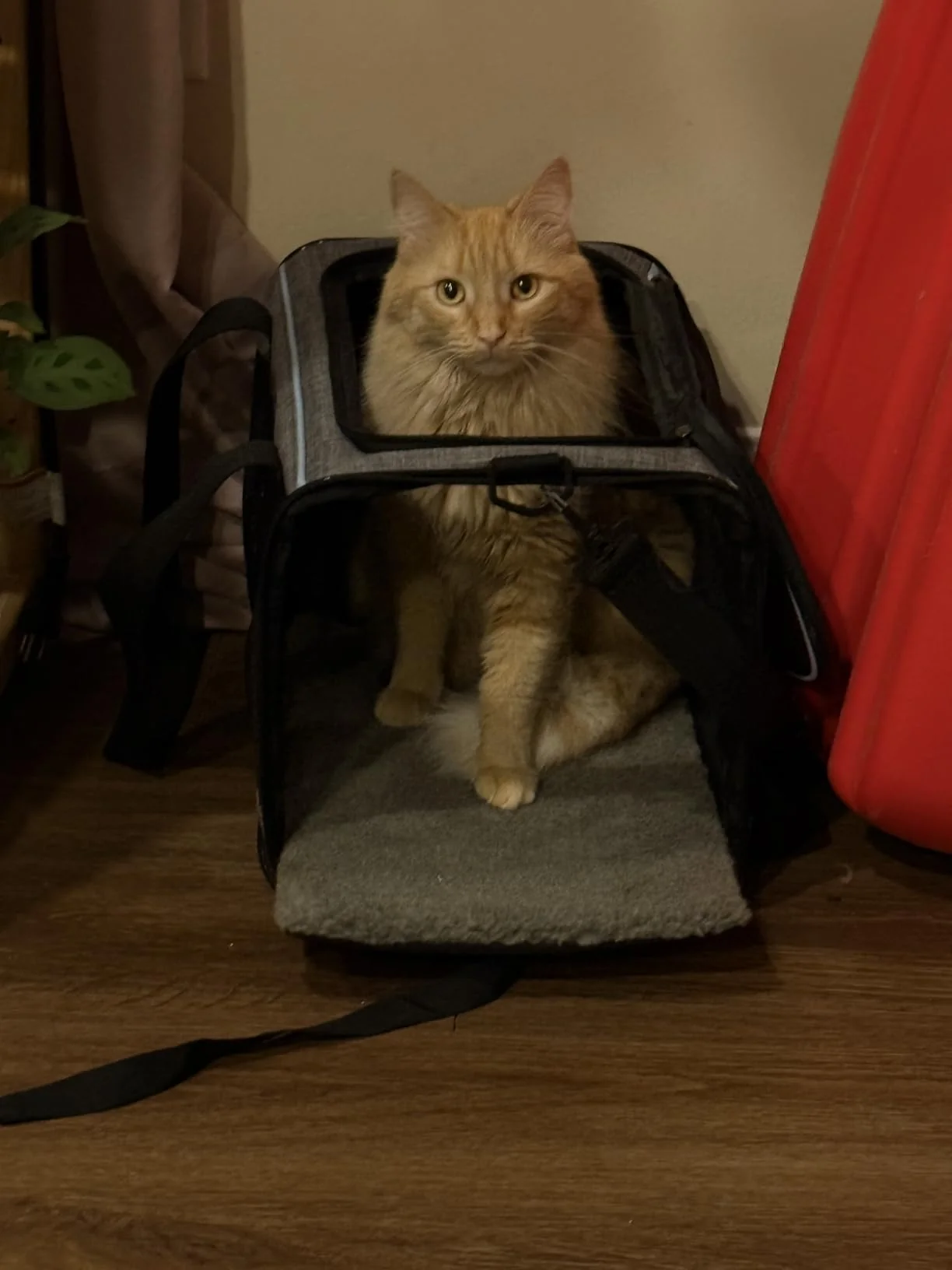
That can be particularly useful for cats that become difficult to handle before veterinary procedures. The supplied case material describes an anxious young cat that became difficult to manage during a veterinary trip, illustrating why the way a cat enters the carrier matters.
Pheromone spray can be used as an additional aid rather than as a replacement for gradual training. The supplied Shu & Gu (2022) study reports that spraying synthetic feline facial pheromone inside the carrier at 1 spray per 0.5 m², 30 minutes before travel, was associated with lower cortisol: 1.8 µg/dL compared with 3.4 µg/dL in the control group.
The training piece matters too. The supplied evidence describes daily 5–10 minute sessions in which the cat is allowed to enter voluntarily and receives positive reinforcement; stress reduction was reported after training lasting at least 10 days.
A practical routine is therefore simple: leave the carrier accessible, reward voluntary entry, use the top opening when front-entry pushing becomes difficult, and introduce the pheromone spray before the trip rather than during the struggle.
The goal is not to overpower the cat faster. It is to make entering the carrier feel predictable enough that the cat eventually walks in without the usual pre-trip battle.
CONCLUSION
A careful buyer should treat a cat carrier as something that needs to work under pressure, not simply something that needs to look suitable in a listing. The reported cases point to several checks that are easy to make before a trip.
Press the side panels and see whether they collapse with little effort. Measure the actual usable interior rather than relying only on outside dimensions. Test the zipper by gently pulling along the closure, and inspect the bottom for cracks or excessive flexing. Check that the liner stays in place and that the seams appear able to contain accidents. For car travel, test whether the carrier stays upright and secure instead of sliding or rolling.
Ventilation also deserves a close look, especially for longer trips or anxious cats. For cats that resist entering, a top opening can make handling easier, while gradual voluntary-entry training and pheromone spray may help reduce the usual struggle.
THE ULTIMATE BUYING VERDICT
| Verdict | Key Consideration | Recommendation |
|---|---|---|
| 🔴 Significant concerns | Reported carriers have shown folding walls, zipper separation, broken floor panels, leaking seams, rolling, poor ventilation, or persistent odors | Approach affected carriers cautiously and avoid relying on them for demanding veterinary, rescue, flight, or long-distance trips without thorough checks |
| 🟡 Acceptable with limitations | A soft carrier may still work when its walls hold their shape, the interior is genuinely large enough, the closure stays joined, and the carrier can be kept stable | Use it only after checking the actual construction and matching the carrier to the cat, trip, and transport conditions |
| 🟢 Meets long-term expectations | Desirable carriers provide usable interior space, supportive walls and floor, dependable closures, contained liners, useful airflow, stable positioning, and easier entry | Look for these qualities in the physical carrier rather than trusting size claims, airline-use labels, or product photos alone |