A carrier can look ready for a flight at home and still create problems once you reach the airport. The label may say "airline-approved," but the actual outside size can differ from the advertised number. A soft carrier can also lose usable space when it is pushed under a seat. Then there are problems you cannot see from the product listing: a loose liner that slides for hours, a base that cracks during the first flight, or zippers that fail when a frightened cat pushes against them.
The reported cases in this review point to the same basic lesson: small details matter when a carrier has to work for an entire trip. Weight, usable space, bottom support, padding, and secure closures can all affect how well the carrier performs. Before buying, it is worth checking the carrier itself rather than trusting a general approval claim.
DEFECT AUDIT OVERVIEW
| Product Area | Common Problems | Why It Matters |
|---|---|---|
| Size and weight | Advertised dimensions may differ from actual measurements; a heavy carrier can reduce the cabin weight margin. | The carrier may not fit the airline's current limits or leave enough usable space for the cat. |
| Interior support | Removable liners can slide, while thin baseboards may crack or sag during travel. | A moving or damaged floor can make a long flight uncomfortable and leave the cat without stable support. |
| Closures and containment | Zippers may separate or fail when a cat pushes against them; a weak carrier can also become too cramped. | A secure opening and enough usable space are important when moving through airports and spending hours in the carrier. |
Why Airline-Approved Dimensions Often Cause Gate Rejection
"Airline-approved" sounds reassuring until an agent puts the carrier against the airline's actual limits. A carrier can carry that phrase on its product page and still leave you standing at the airport with a cat, a boarding pass, and a very expensive problem.
One reported case tied to PGH-AUDIT-R2L is a useful warning: the carrier was advertised as 17.5 inches long, while the reported measurement was only 16.5 inches. The issue was not simply that the bag was smaller than expected; once the frame and soft sides are under pressure, the usable space can change again.
But the bigger trap is assuming that one universal "airline-approved" measurement exists. The supplied research notes that airline policies can vary, and the referenced travel survey found that 64% of pet travelers identified inconsistent airline policies as a primary source of stress.
That matters because the carrier has to work within the airline's rules and still give the cat enough room to stand, turn around, and lie down. A label on the package cannot guarantee that the exact carrier will fit the particular aircraft, seat area, or airline policy you are traveling under.
💺 Measure the Carrier Before You Trust the Label
Put the carrier on a flat surface and measure its actual outside length, width, and height yourself. Then check those numbers against the airline you are actually flying, rather than relying on "TSA approved," "airline approved," or a similar phrase in the listing.
For a soft-sided carrier, also press gently on the top and sides and look at how much the shape changes. If the advertised dimensions only work when the carrier is perfectly expanded, the space available under a seat may be considerably different once it is squeezed into position.
The supplied standards also point to a separate paperwork issue: the referenced USDA requirement calls for a health certificate issued no more than 10 days before travel, while the carrier itself must allow the pet to stand, turn, and lie down. In other words, getting the dimensions right is only one part of avoiding a gate problem.
The practical takeaway is simple: treat "airline-approved" as a claim to verify, not a boarding guarantee. The reported measurement mismatch in PGH-AUDIT-R2L shows why checking the physical carrier against your specific airline's current rules is worth doing before you reach the airport.
What Happens When Removable Liners Slide During Long Flights
A removable liner sounds convenient until the carrier spends 17 hours in motion. When the padding keeps sliding underneath a cat, the problem stops being about a washable cover and becomes a very uncomfortable place to spend an entire flight.
Several reported cases tied to PGH-AUDIT-1KX9, PGH-AUDIT-BK65, PGH-AUDIT-SZCR, and PGH-AUDIT-DCZ1 describe the same pattern during long flights: the inner liner shifted instead of staying flat. One report involving PGH-AUDIT-SR2L also specifically noted that the bottom pad lacked the fasteners needed to keep it from sliding.
Imagine settling your cat into the carrier before takeoff, only to find that every change in position pushes the padding farther away. After enough movement, the cat may be left resting directly against the carrier fabric instead of on the intended padded surface.
This becomes especially frustrating on a long-haul trip. A liner that looks perfectly fine on the kitchen floor can behave very differently after hours of shifting, turning, and weight being placed on different spots.
🛏️ Lift the Liner Before the Next Trip
Open the carrier and grab the bottom pad with one hand. Push it firmly toward each corner, then pull it back toward the center. If it slides freely or bunches up without much resistance, imagine that movement repeating for hours with your cat inside.
Then look underneath the pad. If there is no reliable way for the liner to stay attached to the base, the padding is depending almost entirely on friction to remain where you put it.
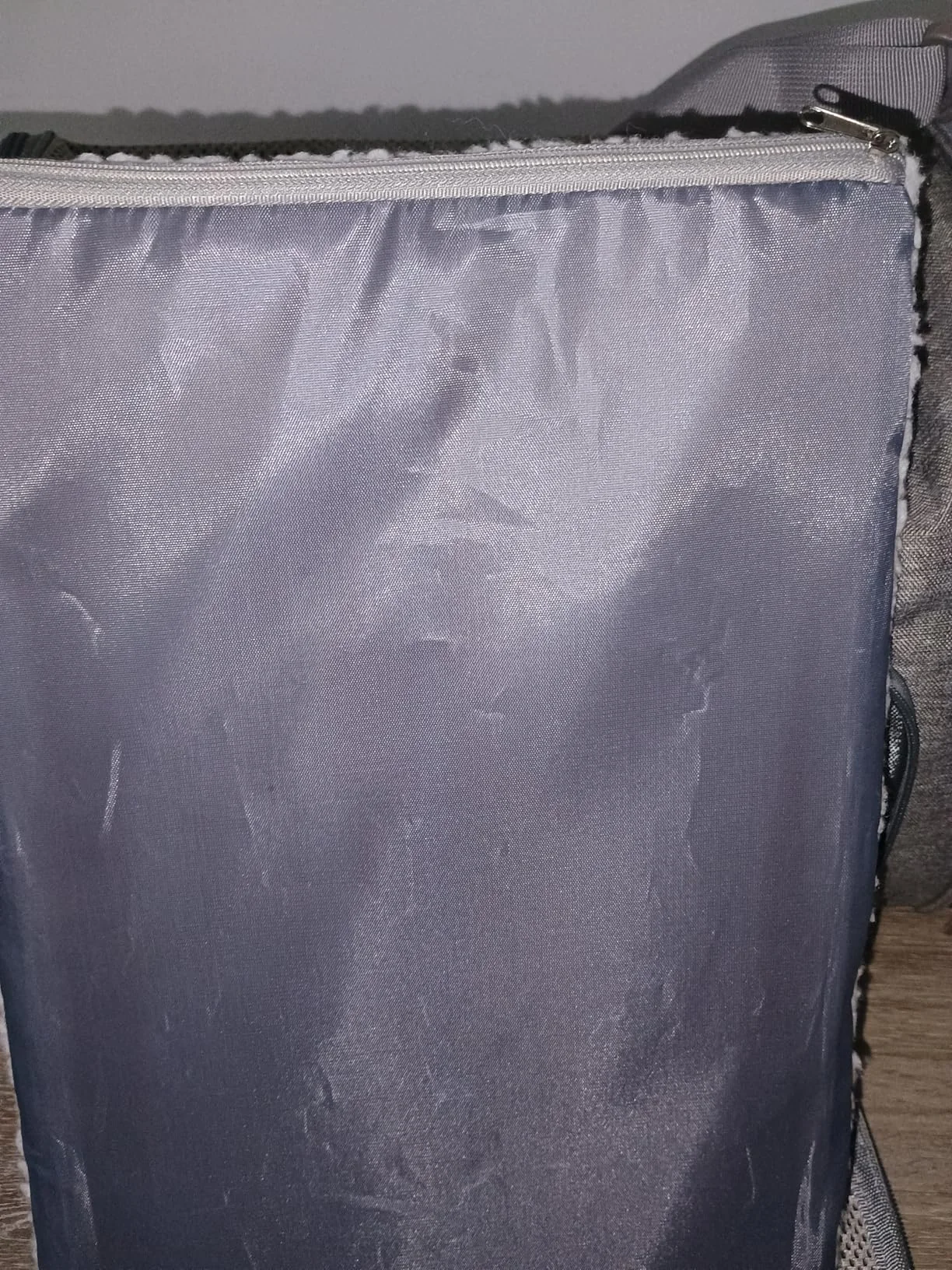
The supplied research describes why this matters: when a bottom surface moves, the cat's weight can end up concentrated on smaller areas instead of being supported evenly. During prolonged confinement, that can leave the limbs bearing awkward pressure and compensating rather than resting in a stable position.
The better design is not simply "more padding." It is a liner that stays flat when the cat moves, while still being removable for cleaning.
For these reported cases, the repeated liner movement is enough reason to be cautious about relying on a loose removable pad for long-distance travel. A carrier intended for extended flights should keep its resting surface where you put it—not make your cat spend half the journey rearranging the floor.
Thin Baseboard Damage from Pet Movement in the Cabin
A cat carrier can look perfectly serviceable until the first flight puts it under real pressure. Then a thin wooden base can crack, leaving the bottom sagging beneath the cat while the rest of the bag still looks almost normal.
That exact failure was reported across PGH-AUDIT-KX9, PGH-AUDIT-BK65, PGH-AUDIT-SZCR, and PGH-AUDIT-DCZ1. In each case, the base was reported to have cracked on the first flight, turning what was supposed to be a stable floor into a collapsing surface and leaving the owners with a product failure before they could simply send it back.
The timing makes the loss especially frustrating. Once you are already traveling, a broken base is not something you can casually replace at the airport, and a missed return window can turn one failed carrier into a second bill for another carrier.
The wider airline numbers help explain why this matters. A 2019 source cited in the supplied material references 217 reported pet deaths or injuries in airline transportation from 2005–2019. Those figures describe airline incidents broadly; they do not establish that broken carrier bases caused those cases, but they underline why a carrier should not be treated as disposable luggage.
🪵 Press the Base Before You Fly
Put the empty carrier on the floor and press down firmly in the middle of the bottom. Watch the floor rather than the fabric. If the base bows dramatically, folds, cracks, or leaves a visible dip, repeat the same movement near the corners.
Then place your hand underneath and check whether the floor remains supported across its full area. A base that only feels solid while completely unloaded may behave very differently once a moving cat is inside.
The reported first-flight failures are a useful reminder that "airline approved" does not automatically mean the floor will survive every trip. For these reported cases, travelers preparing for long-distance flights may want to give particular attention to how the bottom is supported before trusting it with a one-way trip.
A carrier floor should stay a floor throughout the journey—not become a hammock halfway there.
Cabin vs. Cargo Hold: Key Differences in Carrier Safety and Space
The biggest airline-carrier mistake is treating cabin approval as a general promise that your cat will stay in the cabin. If the carrier or the combined weight falls outside the airline's limits, the entire travel plan can change at the gate.
The supplied research cites a survey in which 78% of pet travelers considered cargo transport unsafe, while the referenced cabin limit is commonly around 20 lb (9 kg) for the cat plus carrier. That makes the carrier's own weight surprisingly important: a heavy bag can eat into the allowance before your cat even gets inside.
One reported case tied to PGH-AUDIT-KX9 adds another concern. The carrier was described as too cramped, with the cat showing pronounced rapid breathing, making an already uncomfortable enclosure a poor choice for extended travel.
⚖️ Put the Cat and Carrier on the Scale Together
Don't weigh the carrier empty and assume the number is close enough. Put your cat inside, add the carrier, and check the combined weight before travel.
Then compare that number with the specific airline's current cabin limit. If you're already close to the ceiling, a carrier that weighs several pounds can turn a seemingly compliant setup into a gate-side problem.
Space matters just as much. A carrier that barely contains the cat may technically fit the bag requirement while leaving the animal cramped, especially if the soft sides collapse inward or the usable interior is smaller than the advertised dimensions.
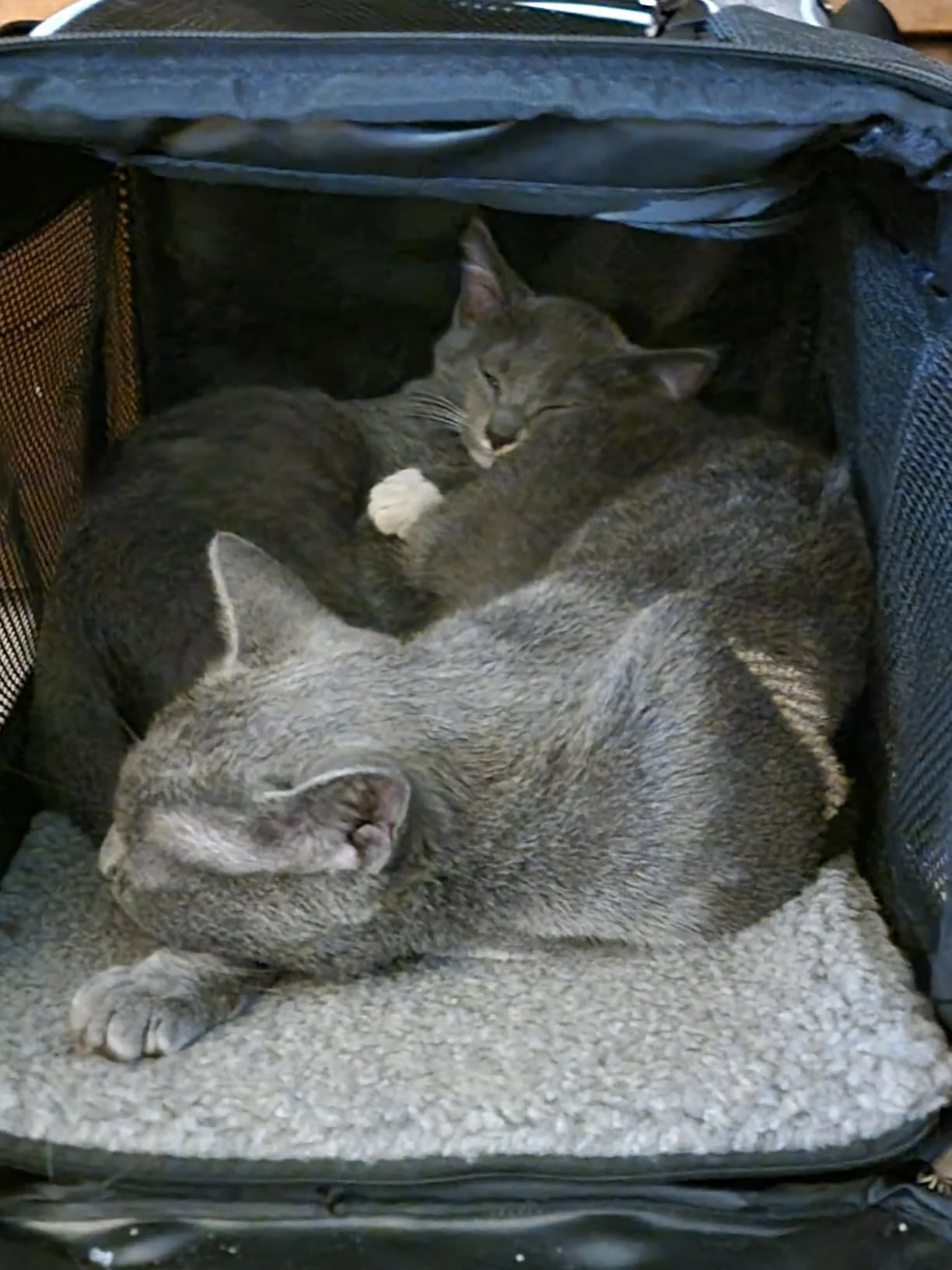
The supplied standards also emphasize that the pet needs enough room to stand, turn around, and lie down. So the real target is not simply "small enough for the seat," but light enough for the airline and usable enough for the cat.
For travelers comparing a best airline cat carrier, the practical priority is therefore straightforward: check the actual combined weight, real interior space, and your specific airline's rules before buying or flying. The reported problems with PGH-AUDIT-KX9 show why squeezing a cat into a barely adequate carrier can create a second problem even before the airport decides where the carrier belongs.
A lighter carrier can help preserve your cabin margin, but the airline's current policy is still the final gatekeeper.
How to Prevent Airport Escapes with Lockable Zippers and Straps
Airport security is a bad place to discover that your cat carrier has a zipper problem. Bright lights, unfamiliar sounds, strangers reaching toward the carrier, and the sudden stop-and-start of a security line can turn a normally manageable cat into a determined escape artist.
Two reported cases make the weak point easy to picture. PGH-AUDIT-KX9 was reported to have zipper failures during rescue transport, while PGH-AUDIT-SZCR had similar zipper trouble while moving a cat. In both situations, the concern was not cosmetic damage—the opening hardware had to keep an anxious animal contained when the carrier was being used for something important.
And a zipper that looks closed is not necessarily a zipper that is secure. A slider can separate from the track, teeth can bend, or the two sides can pull apart when the cat pushes against the carrier from inside.
🔒 Pull Both Zippers Before You Leave Home
Close the carrier completely, then pull the two zipper heads in opposite directions with moderate force. Watch the teeth rather than simply checking whether the opening looks shut.
Next, gently push outward from inside the carrier with your hand. If the zipper track spreads, the slider moves unexpectedly, or the opening becomes visibly wider, don't wait until security screening to find out whether your cat can exploit the gap.
A separate safety strap gives you another layer of containment if the zipper does fail. Ideally, the strap should attach securely to the carrier and give you a way to control the opening while moving through a crowded airport.
For the reported cases above, the repeated zipper failures are enough to justify extra caution before using the same style of carrier for airport transport. A carrier does not get a second chance once a frightened cat is loose beside the security checkpoint.
Before the next trip, test every zipper, attachment point, and opening while the carrier is still sitting safely at home.
CONCLUSION
The safest way to compare a cat carrier is to test the physical product against the conditions it will face. Measure the outside dimensions yourself and check them against the airline you are actually using. For a soft-sided model, see how much the sides and top change when pressed. Weigh the cat and carrier together instead of looking only at the empty carrier's weight.
The bottom deserves the same attention. Press the base in several places and check whether it bends, cracks, or loses support. Move the removable liner to see whether it stays flat. Finally, test every zipper and attachment point before leaving home, including how the opening responds when pressure is applied from inside.
A good carrier should not depend on a reassuring label alone. The better choice is one whose actual size, combined weight, resting surface, base support, and closures all make sense for the trip you plan to take.
THE ULTIMATE BUYING VERDICT
| Verdict | Key Consideration | Recommendation |
|---|---|---|
| 🔴 Significant concerns | Reported products showed measurement mismatches, sliding liners, first-flight base failures, cramped space, and zipper problems. | Be cautious with carriers showing these issues, especially for long flights or airport travel where a failure is difficult to manage. |
| 🟡 Acceptable with limitations | A carrier may work when its actual dimensions, combined weight, interior space, liner, base, and closures meet the travel requirements, but airline rules still vary. | Test the carrier at home and compare its real measurements and weight with the specific airline's current requirements before flying. |
| 🟢 Meets long-term expectations | The strongest choice is a carrier with verified dimensions, manageable combined weight, stable padding, a supported bottom, enough usable room, and secure closures. | Look for a carrier that remains stable and secure when pressed, moved, and used with the cat inside rather than relying only on an "airline-approved" claim. |