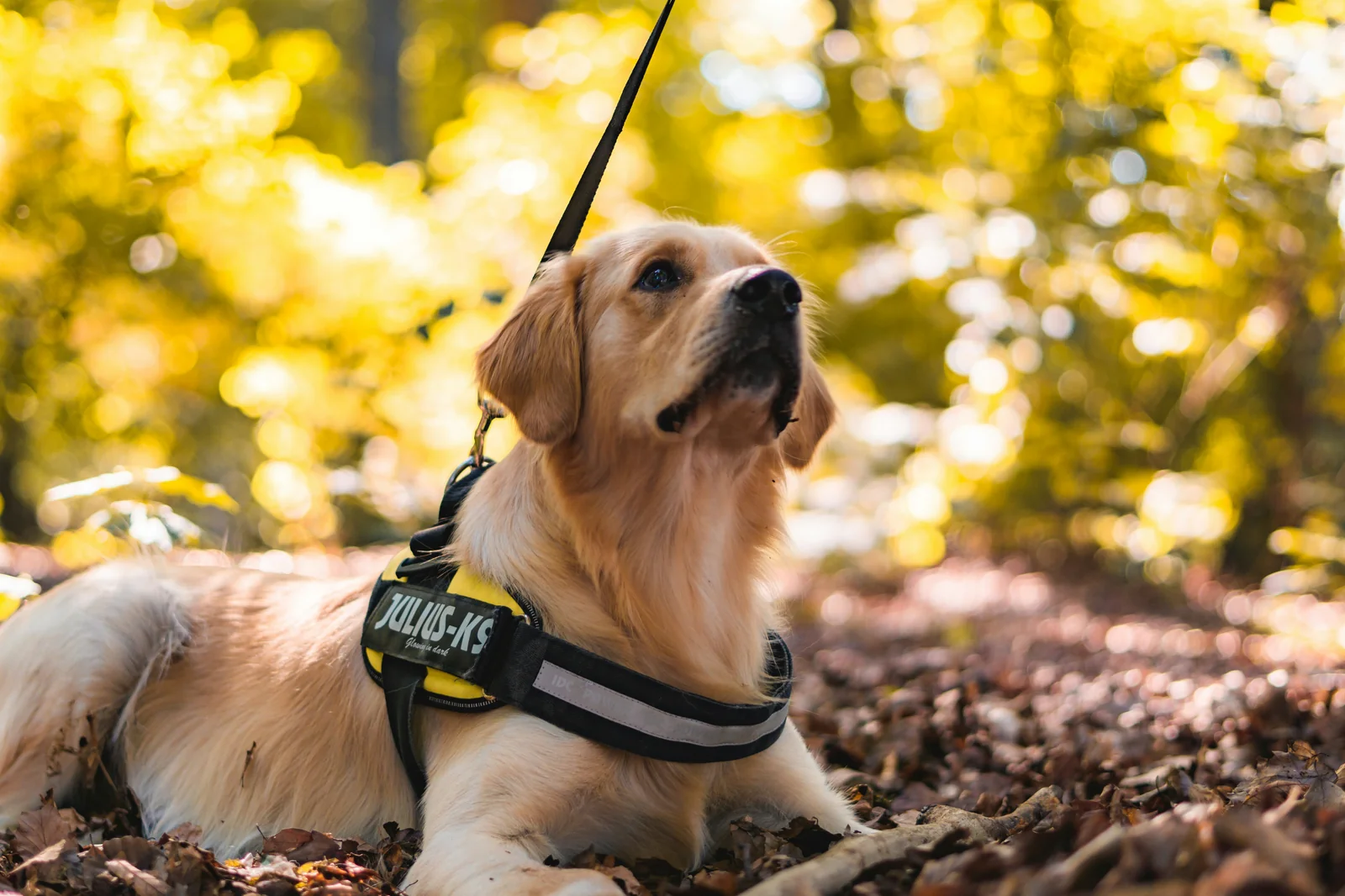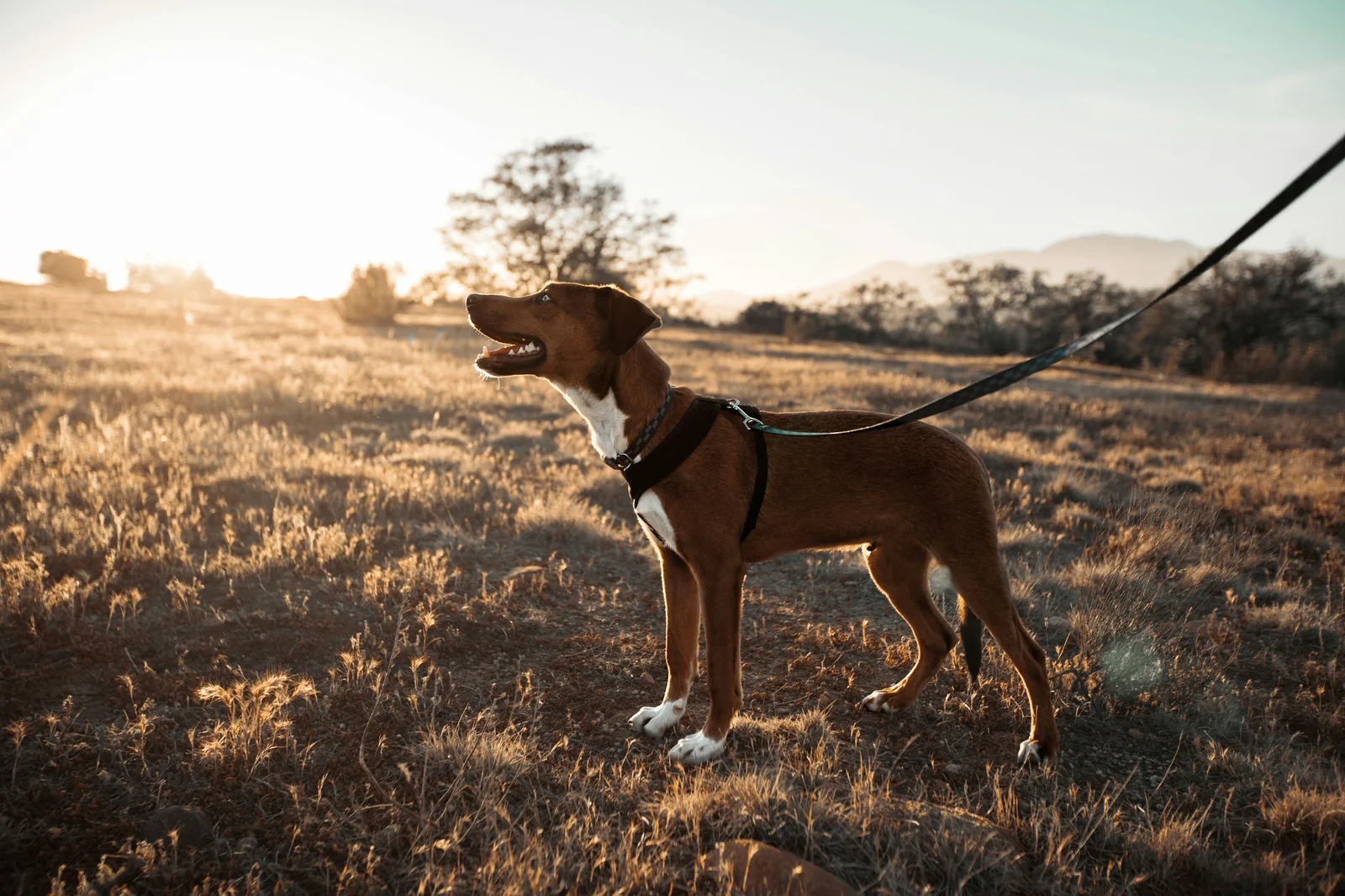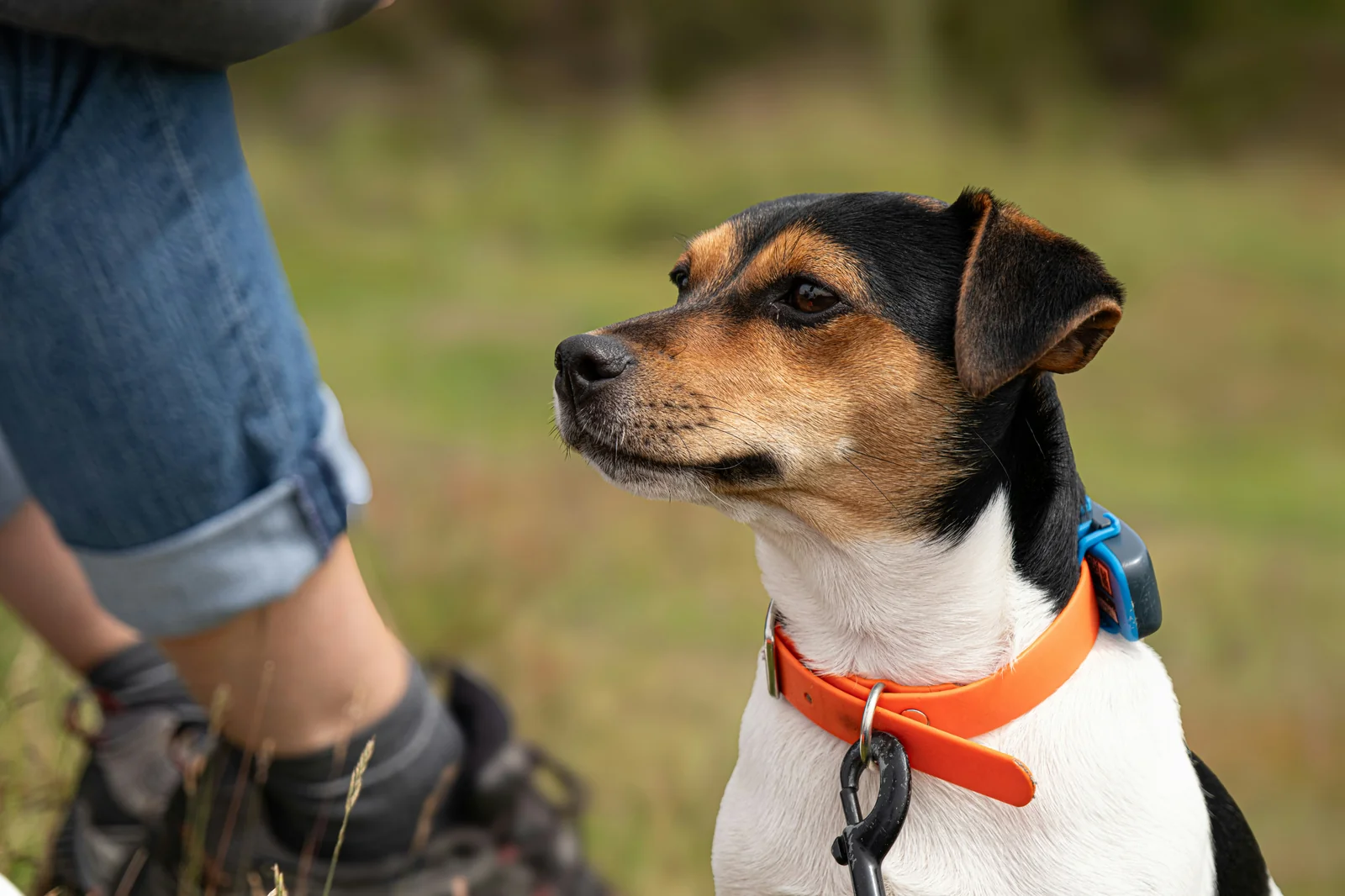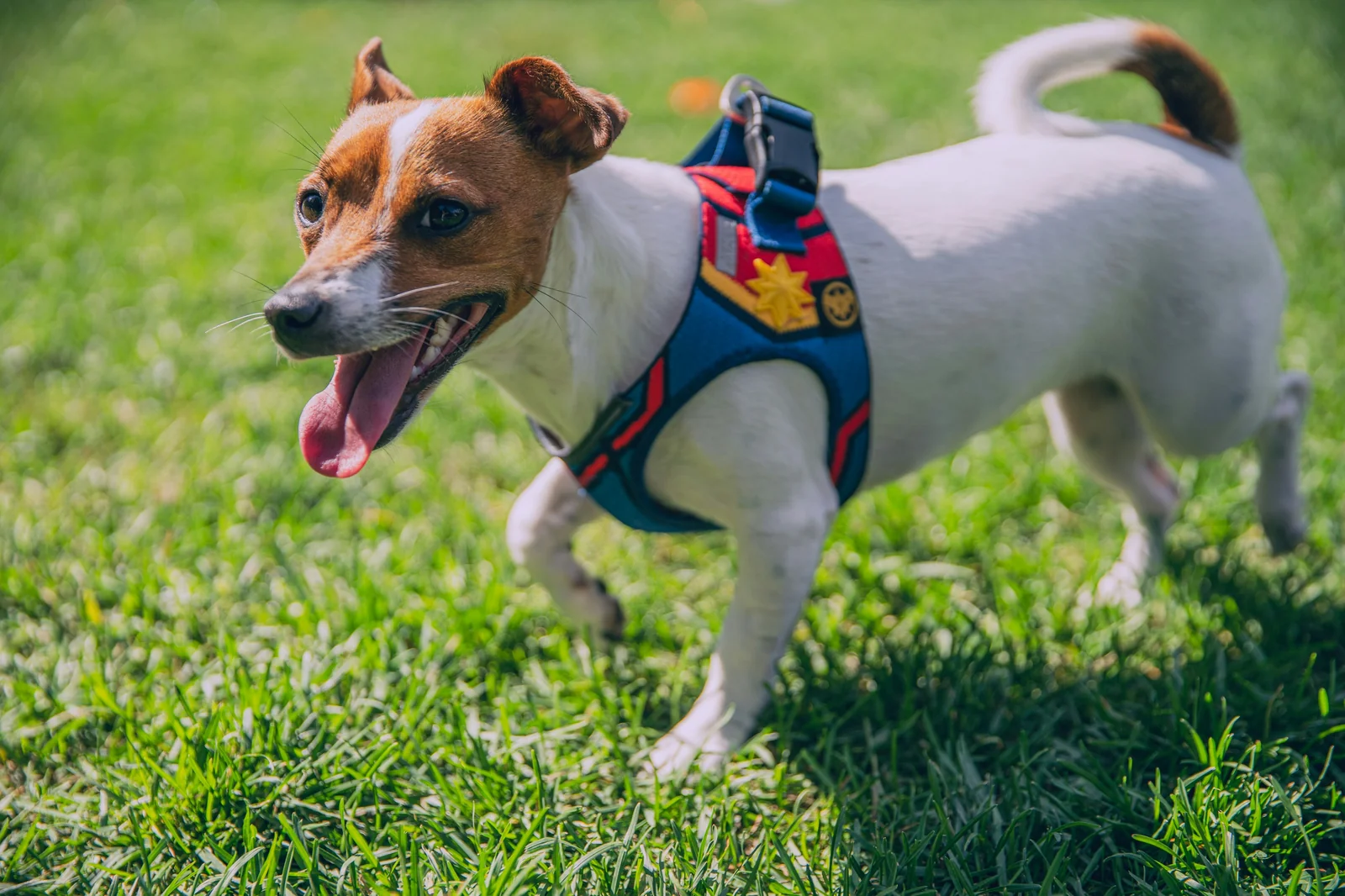
A harness can seem like a simple upgrade from a neck collar until your dog suddenly pulls, the straps start to loosen, or you discover that the fit changes how your dog walks. The problem is that these issues are easy to miss when a harness is sitting quietly on a store shelf. A product may look strong but still have weak straps or buckles. Another may feel secure while restricting shoulder movement. A third may fit your dog's weight but leave the chest too loose or too tight.
The right choice depends on how the harness will actually be used. Dogs that pull hard need reliable straps and buckles. Dogs that hike need room to move naturally. Dogs traveling in a car need a restraint with meaningful crash-test information. And for any dog, chest measurements and fit matter more than a simple weight-based size label.
DEFECT AUDIT OVERVIEW
| Product Area | Common Problems | Why It Matters |
|---|---|---|
| Neck and walking harnesses | Neck collars can concentrate leash pressure; harness straps or buckles may fail under pulling | A sudden pull can put heavy pressure on the throat or leave the handler without reliable restraint |
| Harness fit and movement | Restrictive chest straps can shorten stride; poor sizing can leave the harness too tight or too loose | A poor fit can change natural movement and make the harness less useful during regular walks or hikes |
| Car and hiking use | Walking harnesses may lack crash-test evidence; heavy or poorly positioned hiking gear can affect comfort and movement | Vehicle restraint and hiking gear need to match the demands of those specific situations |
Why Pulling on a Traditional Neck Collar Puts Too Much Pressure on a Dog's Throat
A traditional neck collar puts leash pressure right around the throat, so a sudden lunge can turn an ordinary walk into a sharp tug against a very small area. Even a well-trained dog can react unpredictably when startled, meaning the collar may take the full hit before the handler has time to respond.
The difference becomes clearer when the pulling force is compared directly. In Bailey et al. (2025), neck collars reached up to 120 N, while a chest harness reached about 45 N in pull tests—less than half the peak force measured at the neck.
That matters because the throat is not a great place to concentrate repeated leash pressure. When a dog surges forward, the collar can press against the airway and surrounding tissues rather than spreading that pull across the chest.
There is also a breed-specific concern. The cited data links neck tension above 15 N with a risk of tracheal collapse in short-nosed breeds, which makes repeated hard pulling especially worth taking seriously in dogs already prone to breathing problems.
The old idea that a collar automatically gives you better control deserves a closer look. More force at the neck does not necessarily mean better control; it can simply mean that the dog absorbs more of the leash pressure through the throat.
For dogs that regularly lunge, pull, or react suddenly, moving the point of leash contact away from the neck can change where that force goes. A properly fitted harness can spread the pull over the dog's chest instead, reducing how much of that sudden tug lands directly on the throat.
What Can Happen When Harness Straps and Buckles Are Not Rated for Heavy Pulling
A harness can look perfectly fine on the shelf and still become the weak link the moment a strong dog hits the end of the leash. A strap that tears or a buckle that gives way can turn a controlled walk into an escape—or, near traffic, a much bigger problem.
One anonymized case, PGH-AUDIT-T6FT, is particularly hard to dismiss. The harness was reportedly used fewer than 12 times, the dog had not chewed it, and pulling was described as limited, yet the strap tore from the base; a second unit reportedly failed as well.
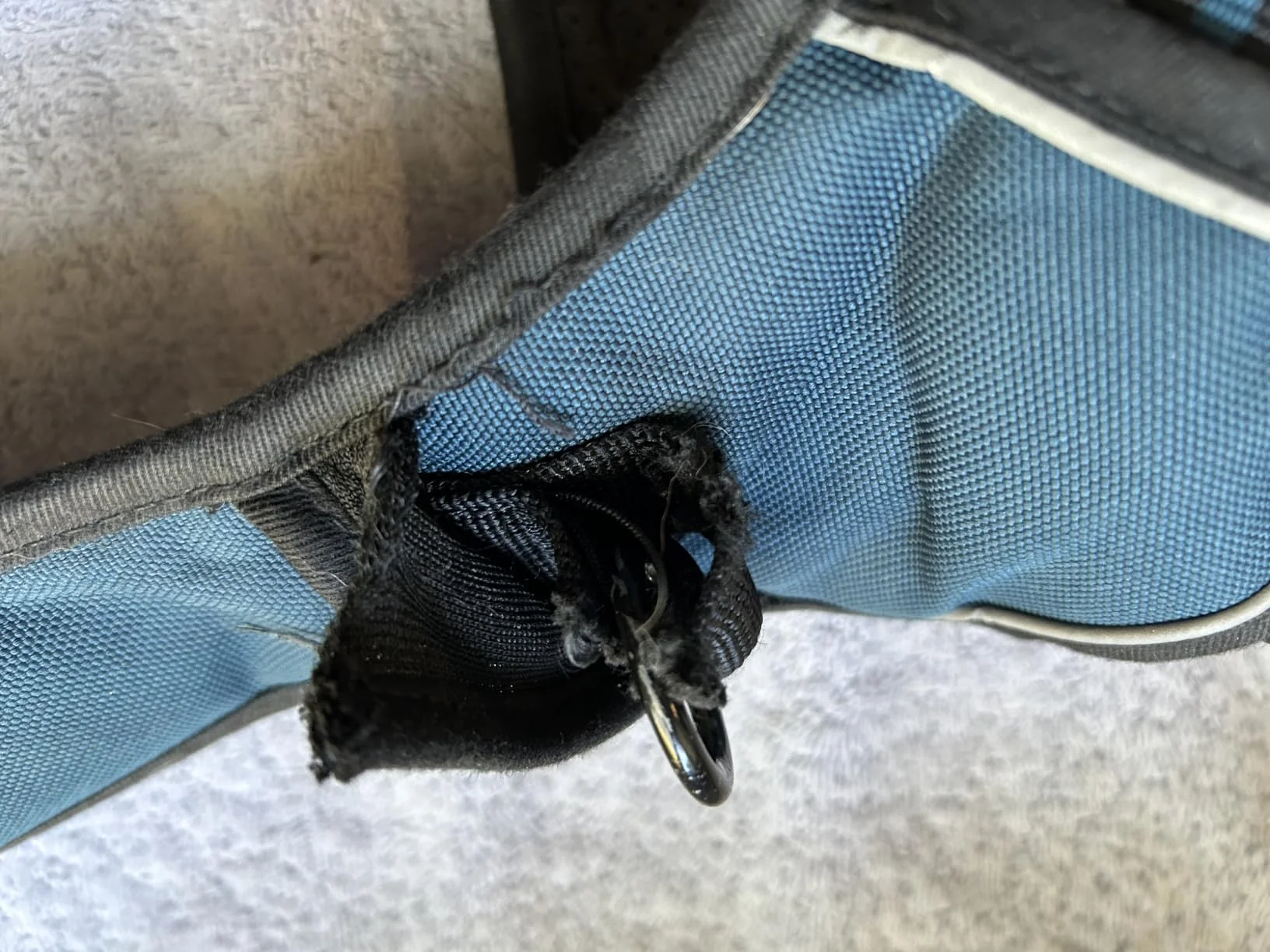
That is the part worth paying attention to: this was not a story about years of abuse finally wearing a harness out. The reported failure happened during relatively light use, leaving the owner with a product that could no longer be trusted when the dog actually needed restraint.
If the same failure happens while crossing a street or during a sudden stop, there is no convenient pause button. Once a buckle breaks or a strap tears, the handler may suddenly be holding a leash attached to nothing.
🧵 Pull the Straps Before the Next Walk
Take your dog's current harness in your hands and gently pull the main straps in opposite directions. Look closely at where the webbing meets the buckle and other attachment points, checking for separating stitches, stretched material, loose edges, or a buckle that shifts noticeably.
You are not trying to reproduce a dangerous load at home. The point is simply to catch visible weakness before your dog supplies the real-world stress.
There is also a useful benchmark behind the concern. The supplied ISO 20957-2:2021 reference specifies that harnesses for medium and large dogs should withstand at least 1,500 N. That gives owners something more concrete to look for than a vague label such as "heavy duty."
The practical lesson is straightforward: a harness intended for a strong or reactive dog should have clearly stated load limits and hardware that is designed around substantial pulling, rather than relying on appearance alone.
The reported failure in DH-AUDIT-6FT is only one product case, so it does not establish that every inexpensive harness will fail this way. Still, when a harness has already shown early strap or buckle failure in reported use, treating that particular product with caution is the sensible choice.
How Restrictive Chest Straps Can Shorten a Dog's Natural Walking Stride
A chest strap can look reassuringly secure while quietly getting in the way of how a dog naturally moves. When the front of a harness sits too tightly across the chest and shoulder area, each step may become shorter and less fluid.
The problem is not simply that the harness feels snug. A restrictive design can limit how freely the front legs move, forcing the dog to adjust its stride around the harness rather than moving normally.
Williams et al. (2025) found that dogs wearing restrictive harnesses showed a 17.3% increase in the load taken by the front legs and a 6.8% reduction in stride length compared with properly fitted models. The same research indicates that the shoulder area needs at least 12° of free outward movement to preserve normal motion.
That 6.8% change may not sound dramatic on paper, but repeated thousands of times during ordinary walks, a shorter stride means the dog's movement pattern is no longer quite the same. Over time, repeatedly compensating for restricted movement may place additional demands on the front limbs.
The important distinction is between controlling pulling and physically blocking movement. A harness does not need to squeeze the shoulder area to discourage a dog from surging forward, and a tighter fit is not automatically a safer fit.
For owners choosing a no-pull or anti-pull design, the front strap deserves particular attention. If it sits across an area that visibly interferes with the dog's shoulder movement, the harness may be solving one problem by creating another.
The research does not establish that every restrictive harness will cause arthritis or permanent lameness. What it does show is that restricted movement can measurably change stride and increase the load carried by the front legs, making fit and freedom of movement important considerations rather than cosmetic details.
Crash-Tested Dog Harnesses: What Real Vehicle Restraint Ratings Require
A dog sitting loose in a moving vehicle has no meaningful protection when the car stops suddenly. During a hard brake or collision, the dog can be thrown forward through the cabin, creating a serious risk to both the animal and the people inside.
The difference is not whether a product has a strap that clips into the car. A restraint needs to be evaluated under the kind of sudden loading that actually happens in a crash, rather than simply looking sturdy during an ordinary drive.
The supplied NHTSA-based data puts the stakes in stark terms: unrestrained dogs were associated with a 2.5× higher risk of death in crashes. That makes a generic harness marketed as a "car safety belt" a very different proposition from one that has undergone meaningful dynamic impact testing.
A useful benchmark in the supplied evidence is 30 mph with impact-force reduction below 40g. In other words, a label saying "car harness" tells you very little by itself; what matters is whether the restraint has been subjected to a documented collision test and whether the test conditions and results are available.
That distinction matters because ordinary walking gear and vehicle restraints have different jobs. A harness can be perfectly adequate for holding a leash during a neighborhood walk while offering little evidence that it can keep a dog secured during a sudden stop.
The same caution applies to vague claims such as "crash tested." Without a published test protocol, speed, loading conditions, and measurable result, the phrase is difficult to evaluate on its own.
For vehicle travel, look beyond the buckle and webbing and ask what the product has actually been tested to withstand. A genuine restraint should have verifiable dynamic crash-test information, not just a reassuring safety label.
Choosing a Hiking Harness: Balancing Pack Weight and Shoulder Mobility on Steep Trails
A hiking harness has to do more than carry gear. If the design presses too heavily against the dog's body or interferes with shoulder movement, steep climbs can make every step more demanding.
That matters even more when a dog is carrying a pack. Extra weight already changes the job of the body; adding a harness that sits poorly can make the pressure and movement restrictions harder to ignore.
Peham et al. (2013) set a useful upper limit of 12.5 kPa for pressure beneath a harness. This gives hikers a concrete number to consider instead of assuming that a thick, rigid-looking pack is automatically better simply because it appears more rugged.
The shoulder area deserves equal attention on uphill terrain. Williams et al. (2025) found that a non-restrictive harness preserved 98% of the dog's natural shoulder movement during a 15° climb, showing how much freedom of movement can matter when the trail gets steep.
A rigid back panel or poorly positioned load can therefore be more than an annoyance. If it presses into the dog's body or interferes with the shoulders, the dog may have to compensate with each step rather than moving naturally up the trail.
The supplied evidence does not establish that an incorrectly loaded hiking harness will deform a dog's spine or directly cause back inflammation. It does, however, support taking pressure and shoulder freedom seriously when choosing gear for sustained climbing.
For longer hikes, the better question is not simply "How much can this pack carry?" It is "Can my dog carry that load while still moving naturally?" A harness that keeps pressure modest and preserves shoulder movement is a much stronger starting point for demanding trails.
Girth Measurements vs. Weight: How to Size a Dog Harness Accurately
Choosing a harness by your dog's weight alone sounds convenient, but weight does not tell you how a harness will actually sit around the chest. Two dogs with the same weight can have very different body shapes, which is why a size recommendation based only on pounds can leave you playing an expensive game of guess-the-size.
One reported case, PGH-AUDIT-L7B6, shows how messy that can become. A 9-pound dog reportedly went through XXS, XS, and S without finding a usable fit, while an XL was described as completely loose and unusable.
That is more than an annoying shopping experience. Every failed size can mean another return, another shipping cost, and another few days without a harness that actually works.
The more useful starting point is your dog's girth measurement, rather than the number on the scale. Measure around the fullest part of the chest and compare that measurement with the manufacturer's actual size range instead of relying on product photos or a platform's automatic recommendation.
Dowdeswell (2024) provides a practical benchmark: the harness chest measurement should stay within 10% of the dog's measured girth, while the shoulder straps should leave enough room for two fingers.
Those numbers do not mean every harness uses identical sizing rules. They do, however, give you a much better framework than simply thinking, "My dog weighs 20 pounds, so medium should probably work."
If the chart and your dog's measured girth point in different directions, trust the tape measure first and investigate the manufacturer's sizing information carefully. The reported B09SGWL7B6 experience is a good reminder that a size label can look precise while the actual fit is anything but.
CONCLUSION
A careful harness purchase starts with the job you expect it to do. For everyday walks, pay attention to where leash pressure lands and whether the harness spreads that pressure across the chest instead of concentrating it around the neck. If your dog pulls hard, inspect the straps, stitching, and buckles rather than judging strength from appearance alone.
Fit deserves the same attention. Measure your dog's chest girth and compare it with the manufacturer's sizing information. After putting the harness on, check that the shoulder area still allows natural movement and that the straps are secure without being overly tight.
For hiking, consider both the weight being carried and the freedom of the shoulders. For car travel, do not assume a walking harness is a crash restraint. Look for clear information about dynamic crash testing instead.
The best harness is not simply the one with the most features. It is the one whose construction, fit, and intended use match your dog's real needs.
THE ULTIMATE BUYING VERDICT
| Verdict | Key Consideration | Recommendation |
|---|---|---|
| 🔴 Significant concerns | Weak straps or buckles, restrictive chest placement, poor fit, or vague car-safety claims | Avoid products with reported early failures, obvious movement restrictions, unreliable sizing, or no meaningful crash-test information when vehicle travel is the intended use |
| 🟡 Acceptable with limitations | A harness may work for ordinary walking while having limits for heavy pulling, hiking, or vehicle travel | Use it only for the situation it is suited to, and check fit, strap condition, shoulder movement, and hardware regularly |
| 🟢 Meets long-term expectations | Reliable hardware, suitable load support, accurate chest-based sizing, free shoulder movement, and verifiable vehicle testing where needed | Choose a harness based on measured fit and intended use, with construction and testing that match the demands your dog will place on it |