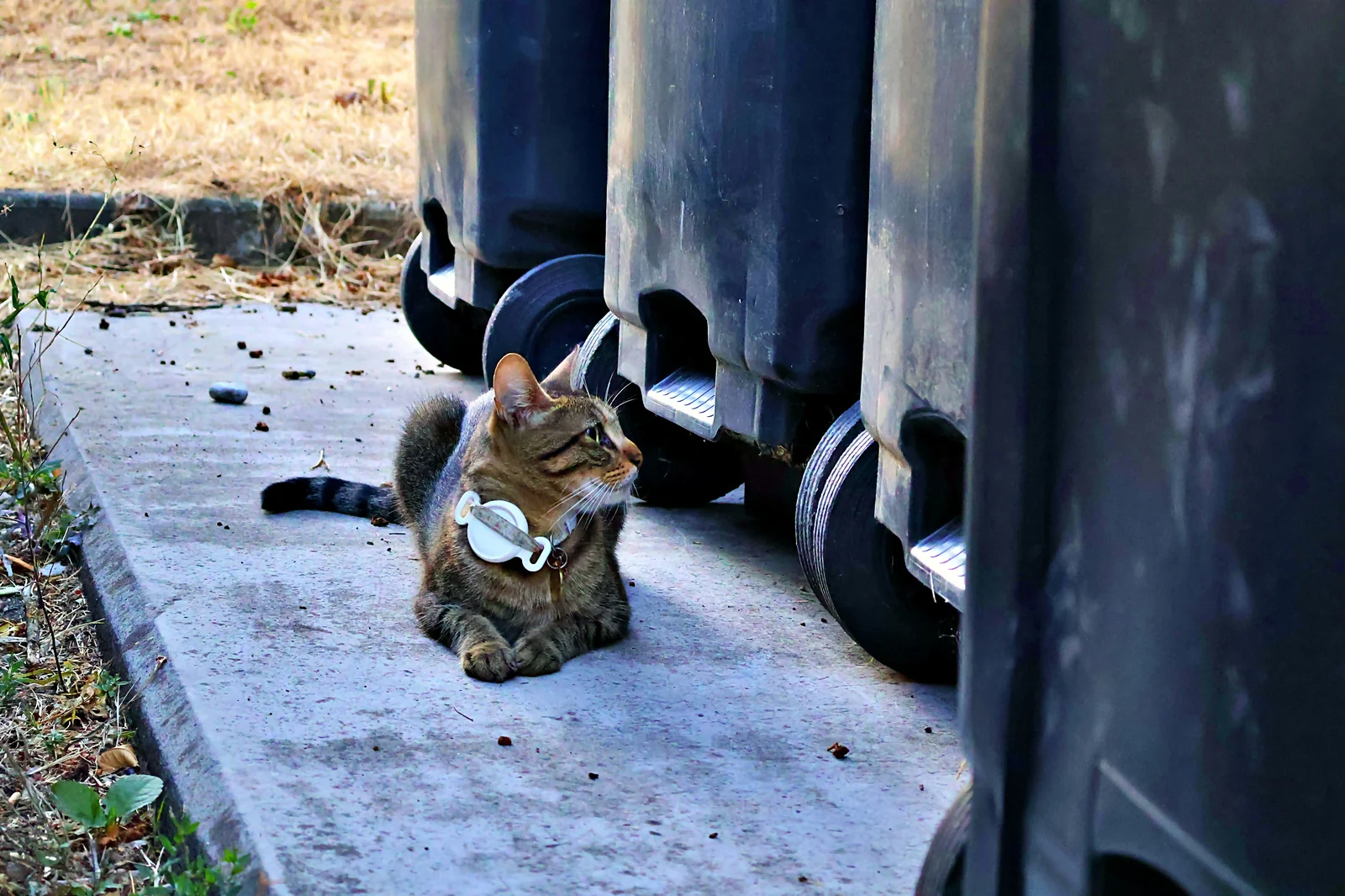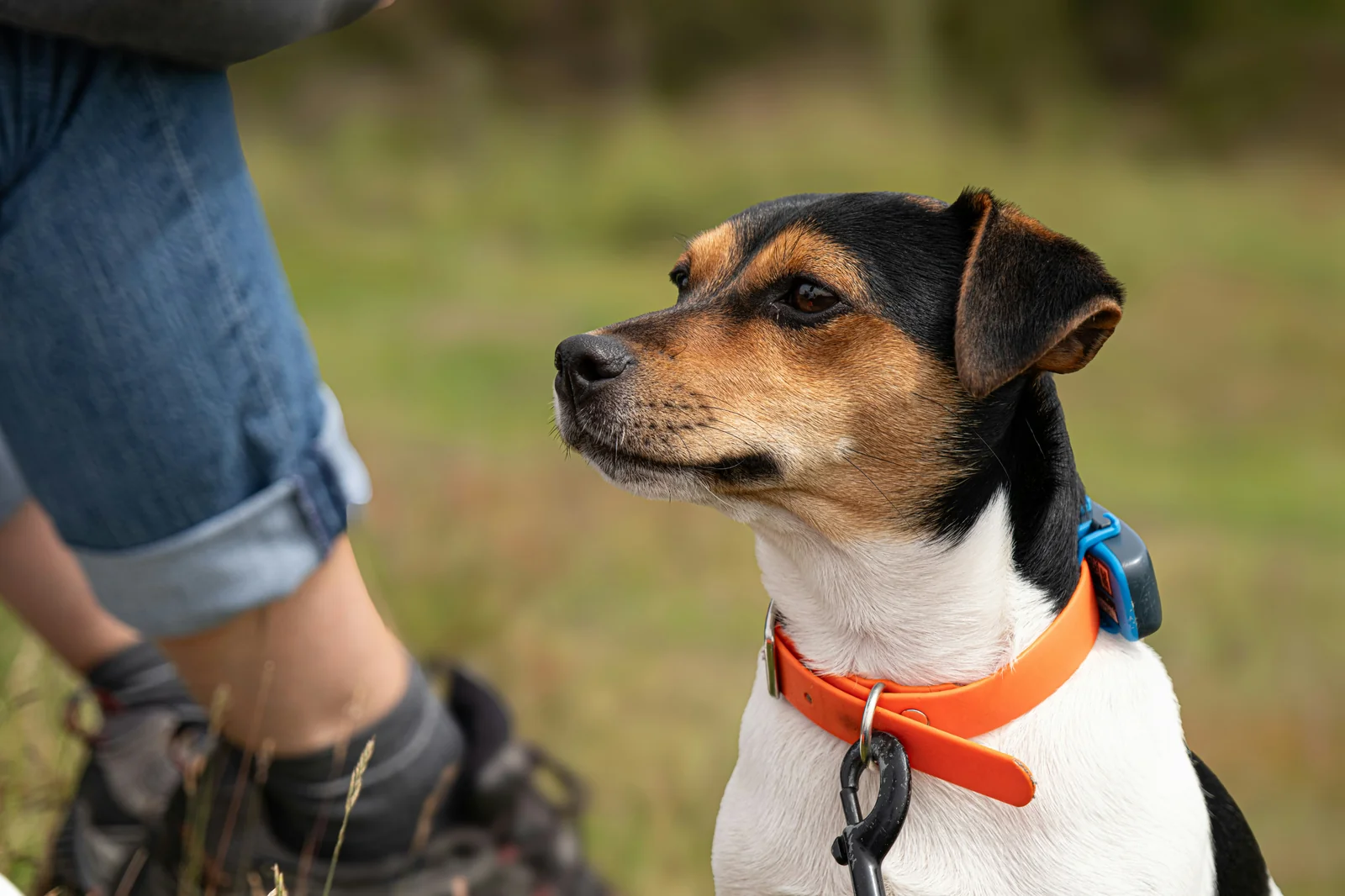
A tracker holder can look perfectly secure when a dog is standing still, yet become a problem after a few days of running, rolling, jumping, and brushing against everyday obstacles. Soft straps may start to stretch or tear. Two-piece cases may lose their grip. Flexible mounts can become loose before they finally snap. Even a holder labeled for a large dog may not fit the actual collar correctly.
The consumer feedback reviewed in the supplied material shows why these details deserve attention before relying on a holder during walks. One holder reportedly tore after about two weeks, while other cases had attachment points fail after about a day. Another mount became increasingly loose before breaking during normal play. Poor collar fit created another problem, with the same holder reportedly too tight for one large collar and too loose for smaller dogs.
The safest approach is to check how the holder fits, moves, stretches, and closes before trusting it with a tracking device.
Why Soft Rubber Straps Tear During Normal Dog Activity
A dog does not need to be doing anything unusual to expose a weak tracker holder. A sprint through the yard, a roll in the grass, or a quick trip through brush can put repeated pulls on the little rubber straps that keep the tracker attached.
That is exactly where the experience tied to PGH-AUDIT-W2VK becomes hard to ignore. The holder reportedly tore after about two weeks, and the AirTag came loose more than once. For an owner relying on that tag to help find a dog, a broken holder can turn a tracking aid into an empty collar accessory.
But the bigger issue is not simply that rubber can wear out. Soft rubber that stretches easily may also split when it is pulled over and over, especially on an active or larger dog. Once a small tear starts, ordinary movement can make it spread until the holder separates from the collar.
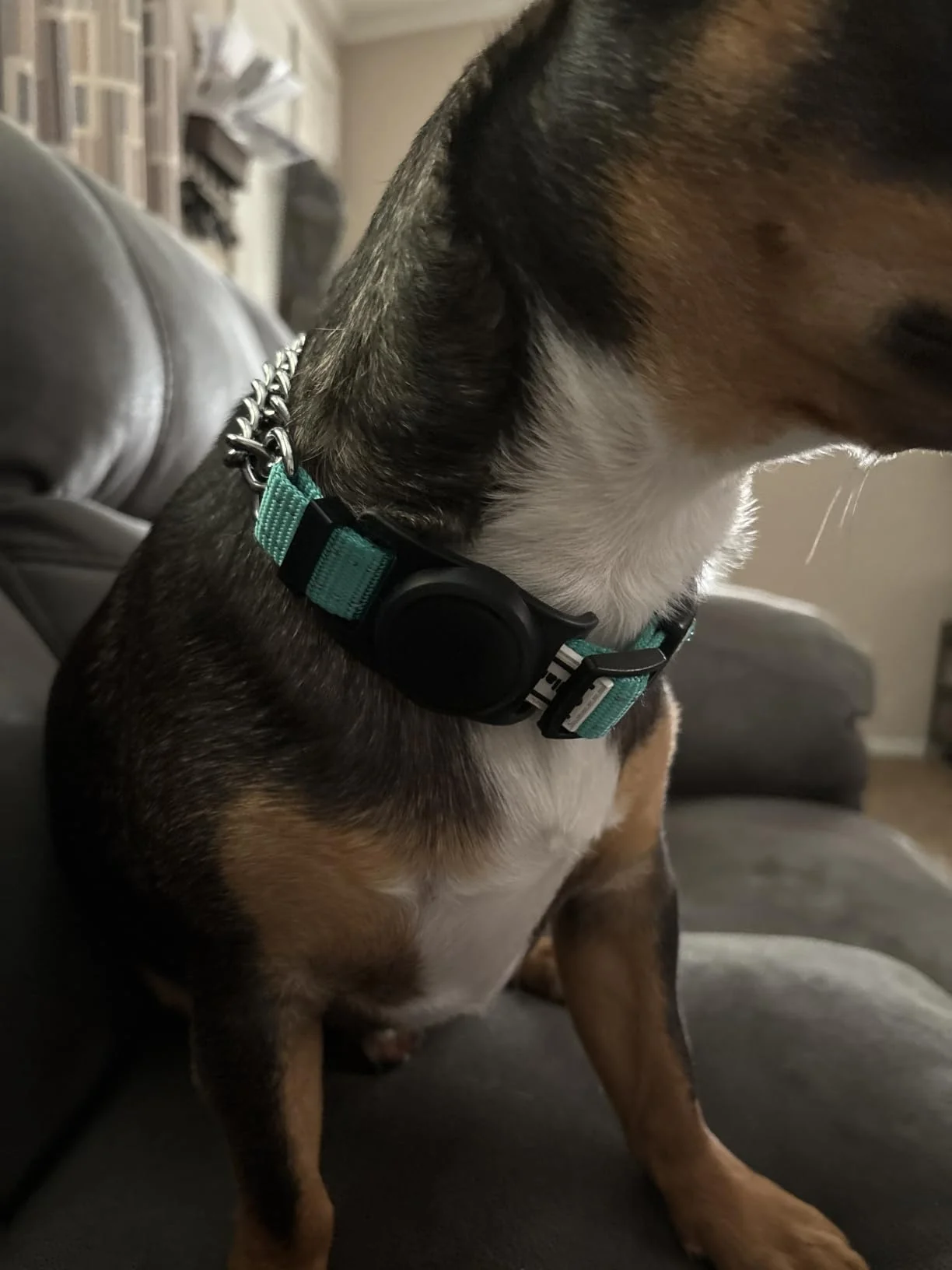
🔍 Pull the Strap Before the Next Walk
Take the holder off the dog and gently pull each strap with your fingers. Look closely at the points where the rubber meets the holder, and pay attention to tiny white marks, thinning, uneven stretching, or an edge that already looks nicked.
Those signs matter because the strap is the part taking the repeated tugging. A holder that already feels loose or visibly weakened has less room for another rough play session before the tracker can disappear with it. The supplied guidance also points to the need for the fastening area to tolerate a strong pull without simply tearing apart.
For buyers comparing a pet collar tracking device, this is an easy detail to overlook because the holder can look perfectly fine sitting still on a shelf. The real question is whether those soft straps can keep their grip after the dog has spent days running, rolling, scratching, and squeezing through everyday obstacles.
The reported failures do not prove that every soft-rubber holder will fail this way, but this particular case raises enough durability concerns to justify caution. For an active dog, a holder that stays firmly attached matters just as much as the tracker inside it.
What Happens When Two-Piece Expansion Cases Lose Grip Tension
A two-piece case can look secure when the tracker is sitting quietly on a desk. The trouble starts when the pieces spread apart during installation or movement and do not settle back into a firm grip.
That failure showed up in two separate cases, PGH-AUDIT-7TC4 and PGH-AUDIT-49T8C. In both reports, the side attachment points broke after about a day, while the case failed to keep the tracking device securely held.
The practical problem is simple: a case that opens to fit the device but does not close back down firmly can gradually lose its grip. Once the fit becomes loose, normal running, jumping, or collar movement can give the tracker enough room to work its way out.
And when one of the side points snaps, there is no convenient warning light telling you the tracker is about to leave with the next stride. You may only notice the problem when you reach for the device and find an empty case.
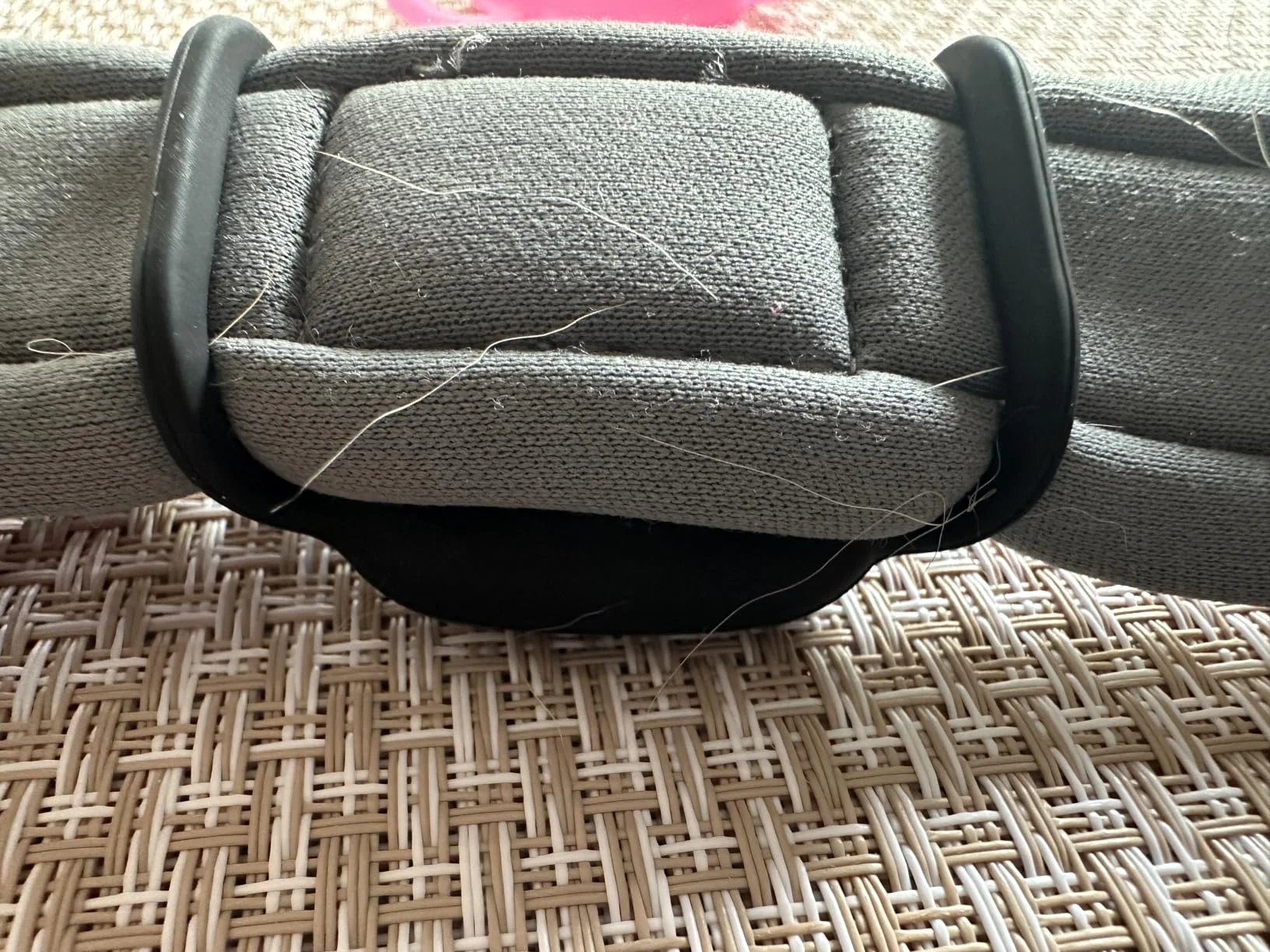
👀 Watch How the Case Closes Back Up
Remove the tracker and open the two pieces slightly with your fingers. Then let them return naturally and check whether they come back together evenly or remain visibly loose on one side.
Next, place the tracker back inside and gently move the case in your hand. If the pieces shift, spread, or fail to hold the device snugly, that looseness deserves attention before the next walk.
The two reported failures are especially useful because they show the same basic problem appearing in separate products: the holder was expected to keep an expensive tracking device attached, yet the attachment points failed almost immediately.
For a dog that spends its day moving, a case should not depend on a barely secure fit. If the two halves cannot stay firmly together after ordinary handling, the tracker may be the part that disappears first.
How Repeated Movement Causes Flexible Collar Mounts to Stretch Over Time
A flexible collar mount can seem perfectly secure on day one and become noticeably looser after repeated use. With an active dog, running, jumping, and ordinary play keep pulling on the same attachment points, so a fit that starts snug may gradually become harder to trust.
That pattern appears in the case of PGH-AUDIT-DSB3, where the rubber connection reportedly snapped during normal play after becoming increasingly loose over time. The same account notes that even thicker collars did not solve the problem, because the attachment itself was still prone to slipping.
The important distinction is that a mount can fail before it actually breaks. If it keeps stretching and no longer holds its original position, the tracker may begin sliding around the collar during every outing.
But this is where a simple home check can tell you more than a fresh-looking product photo.
🖐️ Feel the Mount After Several Walks
Take the tracker mount in your hand and gently pull it in the direction your dog normally moves. Then compare how firmly it sits with the same check on a new or unused section, if available.
Look for a loose fit, stretched edges, or a connection that no longer returns to its original shape. If the mount feels noticeably more relaxed than when first installed, continued movement may make the problem worse rather than better.
That matters because the reported failure was not limited to appearance. The connection eventually snapped during ordinary dog activity, leaving the tracker vulnerable to detachment.
The supplied material points to repeated movement as the reason flexible mounts can lose their original grip, but it does not establish a universal lifespan for every rubber or silicone mount. For this reported product experience, the safest takeaway is to treat increasing looseness as a warning sign rather than waiting for the strap to break completely.
Matching Tag Holder Dimensions to Standard Dog Collar Widths
A tracker holder can be advertised for large dogs and still fail the most basic fit check: the opening has to match the collar it is supposed to grip. When the fit is wrong, the holder may either refuse to sit on the collar or move around so much that the tracker becomes vulnerable to slipping off.
The experience linked to PGH-AUDIT-W2VK shows both sides of that problem. One report says the holder was marketed as Large but would not fit a Saint Bernard's collar, while use on smaller dogs left it excessively loose and prone to coming away from the collar.
That makes the size label less useful than the actual collar dimensions. A holder that only says "Small," "Medium," or "Large" leaves too much room for mismatch between brands and collar designs.
👋 Slide the Holder Along the Collar
Before relying on the mount, place it on the actual collar and gently slide it from side to side. Then lift the collar and watch whether the holder stays centered or wanders noticeably along the strap.
If it shifts easily, check whether the collar is simply too narrow for the holder. If it will not pass over the collar at all, the advertised size clearly does not tell the whole story.
The reported product also had complaints about fitting different dog sizes poorly, with the same holder described as too small in one application and too loose in another.
The supplied material does not establish a specific industry sizing standard that guarantees compatibility across every dog collar. For this type of holder, measuring the actual collar width and checking the holder's physical opening is a more dependable starting point than trusting the size name alone.
CONCLUSION
A reliable dog tracker holder should remain firmly attached through the ordinary movement your dog makes every day. The supplied experiences show several warning signs worth checking: soft rubber that shows thinning or small marks, cases that do not close evenly, mounts that become looser with use, and openings that do not match the actual collar width.
Do not judge the holder only by how it looks when new. Gently pull the straps, check whether a two-piece case returns to a firm position, and look for stretching around flexible attachment points. After several walks, check whether the mount still sits as firmly as it did when first installed. These simple checks can reveal problems before the holder breaks.
Most importantly, measure the actual collar and compare it with the holder's physical opening. Size names such as Small, Medium, or Large do not guarantee a good fit across different collars. A careful buyer should favor a holder that stays snug without excessive movement and remains secure after repeated everyday use.
THE ULTIMATE BUYING VERDICT
| Verdict | Key Consideration | Recommendation |
|---|---|---|
| 🔴 Significant concerns | Straps that tear, attachment points that break quickly, mounts that become loose, or holders that cannot fit the actual collar securely. | Avoid relying on a holder showing these signs, especially before walks or normal play where the tracker could become detached. |
| 🟡 Acceptable with limitations | A holder may work when it fits the collar correctly and remains firm, but flexible materials can loosen or stretch with repeated movement. | Check the holder regularly and treat new looseness, uneven closure, stretching, or visible strap damage as reasons for caution. |
| 🟢 Meets long-term expectations | A holder that matches the actual collar width, keeps the tracker snug, and stays firmly attached during ordinary dog activity. | Choose based on the holder's physical fit and continued grip rather than its size label alone, and recheck it after repeated use. |