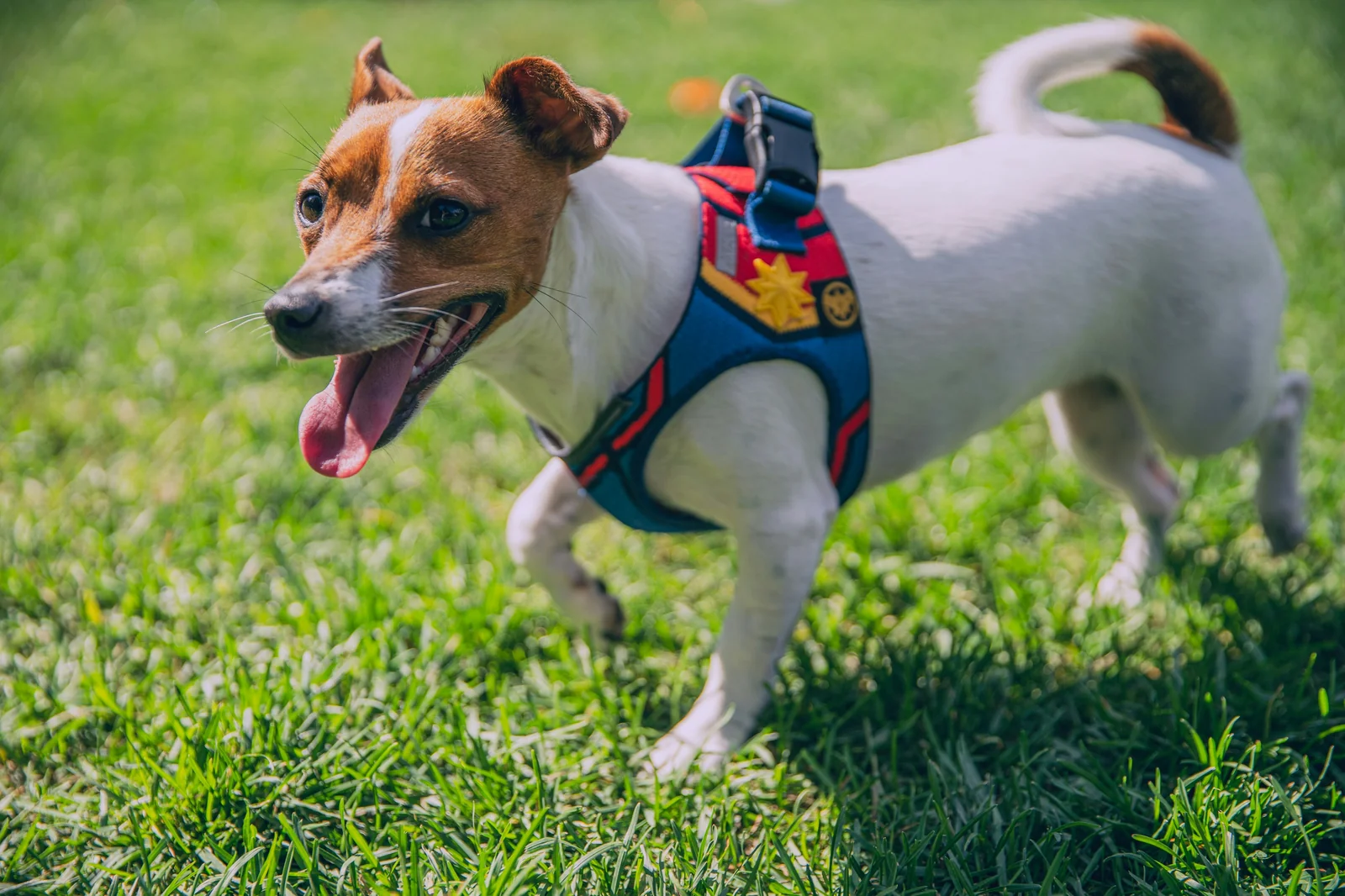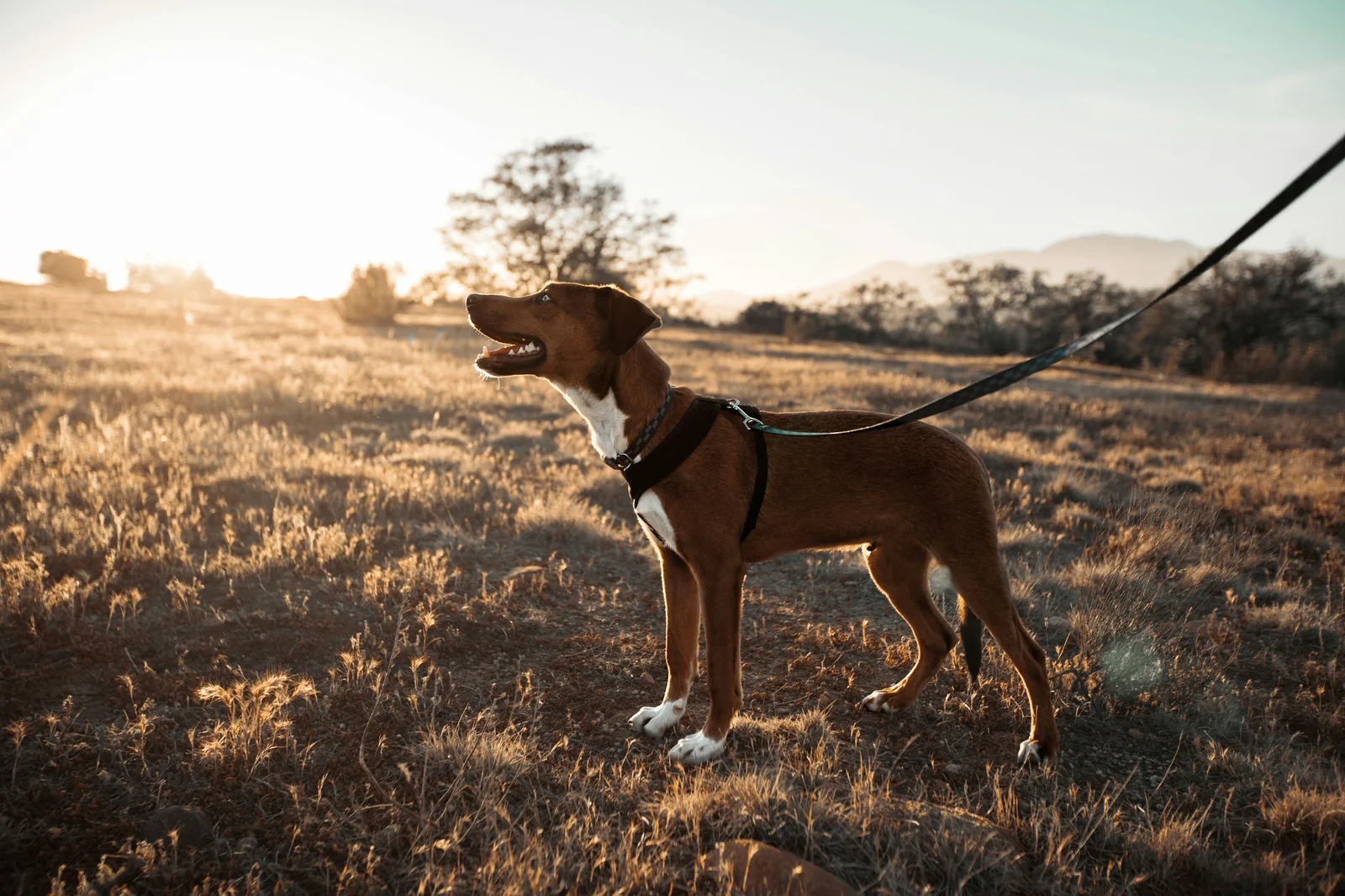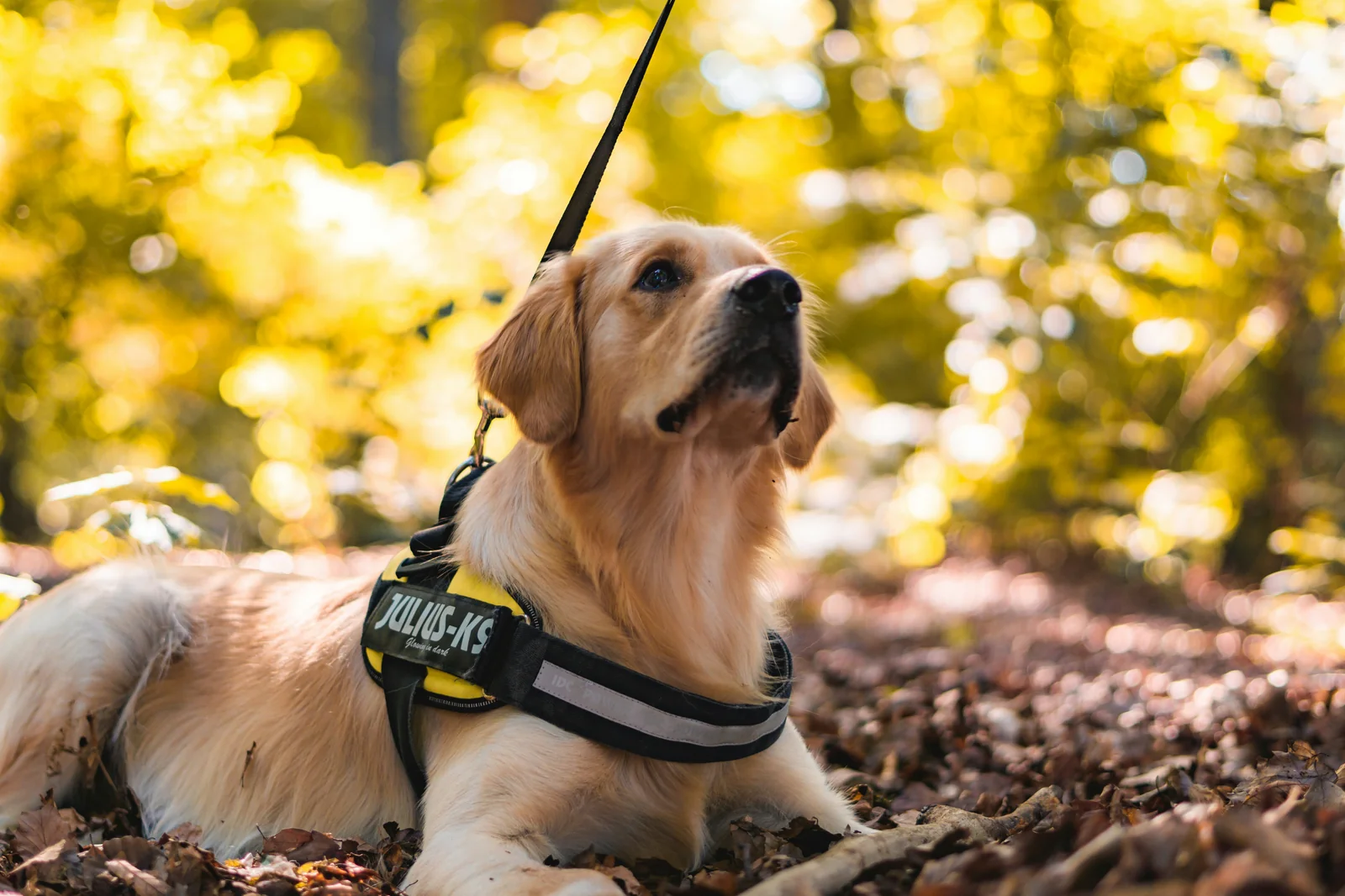
You can measure your dog carefully, follow the sizing chart, and still open the package to find a harness that does not work. A deep-chested dog may be squeezed around the ribs, while a French Bulldog may find that Small and Medium offer almost the same amount of room. For a 3-pound Yorkie, even XXXS may hang loose enough to create an escape problem.
The trouble becomes clearer when you look at the harness on the dog instead of the label. Chest shape, body length, strap position, and how the harness moves during a walk can matter more than the printed size. Some reported harnesses also arrived in taped plastic bags without the expected original packaging, adding another reason to inspect the product before use.
These problems do not mean every harness is poorly made. They do show why careful buyers should judge the actual fit, movement, packaging, and usable room rather than trusting a size label alone.
DEFECT AUDIT OVERVIEW
| Product Area | Common Problems | Why It Matters |
|---|---|---|
| Sizing and body shape | Generic size labels may not match deep-chested, long-bodied, broad-chested, or very small dogs | A correct measurement can still result in a harness that is too tight or too loose |
| Fit and movement | Vest harnesses may shift backward, straps may crowd the front legs, and some sizes may fit almost identically | Poor positioning can make walking uncomfortable or allow a dog to back out |
| Packaging and condition | Some reported harnesses arrived in taped plastic bags without original tags or packaging | Unusual packaging or signs of handling should be documented before regular use |
Why Sizing Charts Often Fail for Deep-Chested and Long-Bodied Breeds
You can measure your dog exactly as instructed, compare the number with the chart, and still end up with a harness that won't fit past the chest. That is especially frustrating with dogs whose bodies are deeper or longer than the average shape used for a generic size guide.
One real-world case tied to PGH-AUDIT-L7B6 involved a Dachshund mix that was supposed to fall within the small-to-medium range. The M size was so snug that it became unusable, while the same harness reportedly fit a toy poodle well enough to be given away.
That is where the problem stops looking like a simple measuring mistake. When one labeled size works for one body shape but fails badly on another, weight alone is a poor shortcut for choosing a harness.
🧵 Lay the Harness Flat Before You Commit
Put the harness beside your dog and compare the chest area and back length rather than looking only at the printed size. Then check whether the chest section actually leaves enough room for your dog's deeper ribcage without forcing the straps into the front legs.
The reason this matters is simple: a harness that sits too tight or in the wrong place can make the dog move differently. A 2024 analysis by Dowdeswell found that the chest measurement should stay within roughly 10% of the dog's measured girth for the fit to work properly; testing across six harness styles also found that adjustable chest and back straps were the designs most capable of preserving natural movement.
So when a chart says "M," that label tells you very little by itself. The actual chest and body dimensions have to match the dog in front of you, particularly for long-backed or deep-chested breeds.
If a harness repeatedly misses that mark across real purchases, the safer buying approach is to treat the listed size as a starting point, not a guarantee. In this particular set of user reports, the sizing claims showed enough inconsistency that buyers looking for a predictable fit should keep their expectations cautious.
When Medium and Small Fit the Same: Sizing Inconsistencies for French Bulldogs
A French Bulldog can look perfectly suited to a harness in a product photo, which makes the purchase feel like an easy decision. Then the actual harness arrives and the chest or neck opening stops the whole plan cold.
That is what happened in reports connected to PGH-AUDIT-NF7J and PGH-AUDIT-YTDR. Owners followed the visual example and ordered Small, only to find it too tight; switching to Medium did not solve the problem because the two sizes reportedly fit almost identically.
That is more than an annoying size-chart headache. If moving up a size does not create noticeably more room, the owner can burn through multiple purchases without ever reaching a usable fit.
And French Bulldogs make this especially unforgiving. Their broad chest can demand a different shape than the generic vest shown in a polished listing photo, so a model that looks perfect on the screen may leave very little usable room in real life.
👀 Put Small and Medium Side by Side
If you already have two sizes, lay them flat next to each other and compare the chest opening, neck area, and overall length. Look for an obvious difference rather than assuming the printed label means the harness has actually been enlarged.
Then put the larger one on your dog without tightening it aggressively. If the chest area still feels almost identical to the smaller version, stop chasing the label and judge the actual fit.
The reported French Bulldog cases point to a particularly frustrating pattern: Small failed, Medium was purchased as the obvious next step, yet the fit reportedly remained essentially unchanged. That leaves the owner paying for another package while the dog is still stuck with the same problem.
A harness does not become suitable simply because the tag changes from S to M. For broad-chested dogs, the shape and usable room matter just as much as the size printed on the label.
In these reported cases, the sizing progression was inconsistent enough that French Bulldog owners should be cautious about trusting promotional photos or assuming that moving up one size will automatically create more chest room.
Finding a Harness for a 3-Pound Dog: When Even XXXS Runs Too Large
Finding a harness for a 3-pound dog can feel like shopping in a size range that barely exists. You order the smallest option available, open the package, and discover that the supposedly tiny harness still hangs loose enough for a little Yorkie to work its way out.
That problem showed up in reports tied to PGH-AUDIT-G4BP and PGH-AUDIT-RW5D. On a roughly 3-pound Yorkie, XXXS was still reported as seriously oversized and unstable, while another 9-pound dog reportedly fell into the frustrating gap where XXS, XS, and S all failed to provide a workable fit.
For very small dogs, that leaves little room for trial and error. Buying the smallest label available does not guarantee that the harness was actually shaped for an ultra-small body.
🐾 Let Your Little Dog Walk in Place
With the harness secured normally, let your dog take a few steps indoors and watch what happens around the chest and legs. If the harness swings around, shifts noticeably, or lets the dog pull a leg through the opening, the fit is not giving you much confidence for an outdoor walk.
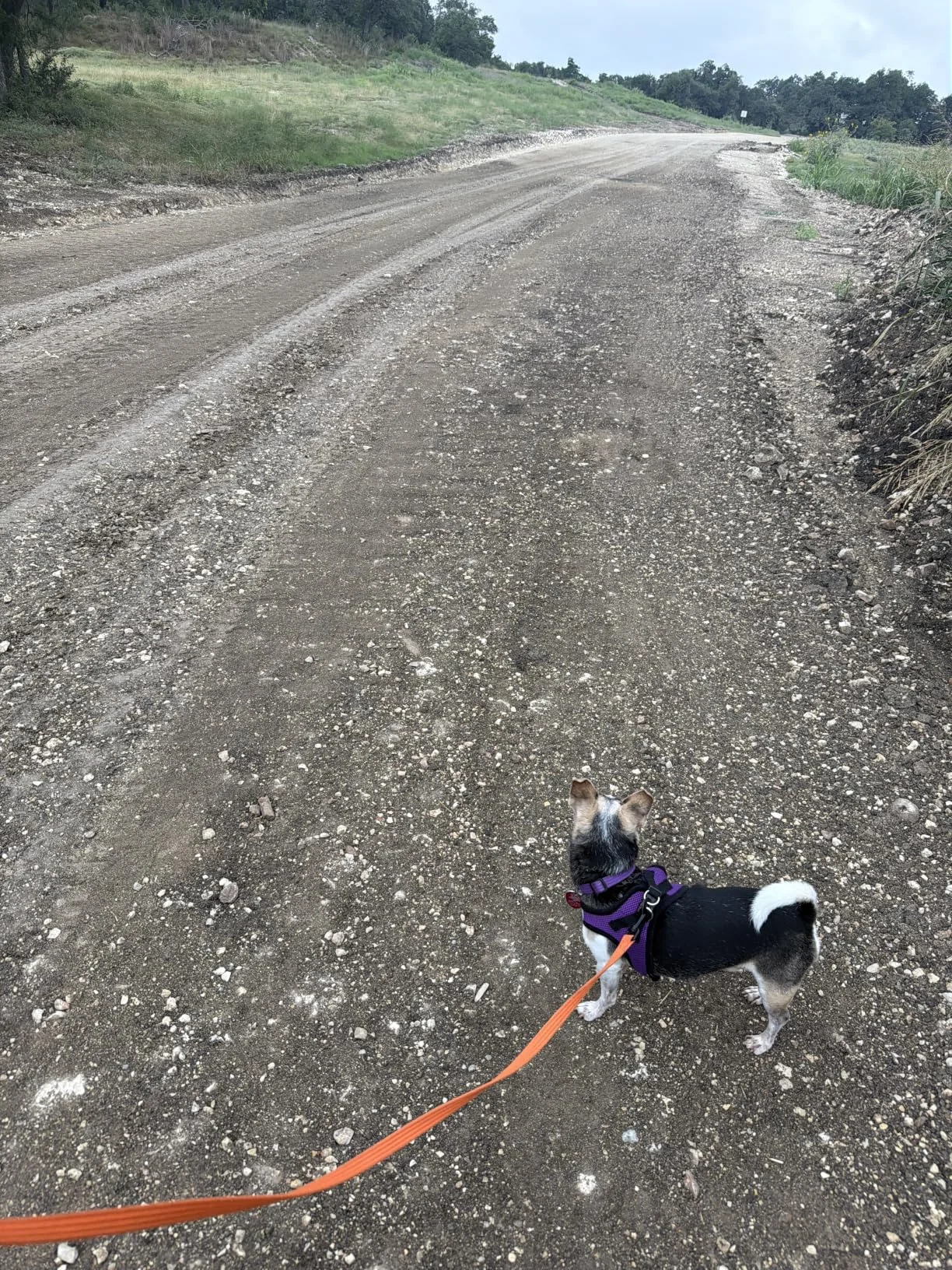
Do not assume that "XXXS" automatically means miniature. The reported Yorkie case is the useful warning here: even the smallest listed size could remain too loose, while a slightly larger dog could have the opposite problem after trying several sizes.
That makes the label less useful than the actual fit on the dog. For a 3-pound dog, a harness that looks merely oversized in your hand can become a practical escape problem once the dog starts walking, backing up, or wriggling.
When the smallest available size still moves around on an ultra-small dog, these reports suggest the product may simply not offer a dependable fit for that body size.
How Dogs Back Out of Loose Vest Harnesses and How to Prevent It
A loose vest harness can look wonderfully simple until your dog gets startled and suddenly decides that reverse is the only acceptable direction. One quick backward step can turn a harness that looked secure in the living room into something the dog can slide straight out of on the sidewalk.
That concern appears in reports tied to PGH-AUDIT-NBVY, where multiple users described dogs backing out of the lightweight vest with very little effort. The problem is especially uncomfortable to imagine near a road: the owner is holding the leash, but the harness is no longer holding the dog.
This is why "lightweight" should never be treated as a substitute for a secure fit. If the vest can move forward when the dog moves backward, the dog may find its own exit.
🐕 Pull the Vest Backward Before You Walk
With your dog standing calmly indoors, hold the leash as you normally would and gently guide the harness backward while watching the chest opening. Do not yank or deliberately frighten the dog; the goal is simply to see whether ordinary backward movement makes the vest ride toward the head.
Then check whether the chest area stays where you positioned it. If the whole vest shifts noticeably or begins working toward the neck, that is a useful warning before you discover the same problem outside.
The fit matters because the harness needs enough room for comfort without leaving an easy path for the dog to reverse out of. Dowdeswell and Churchill's 2024 guidance places the relevant chest-and-belly loop at no more than about 1.5 times the dog's actual chest measurement, while also calling for a point that helps prevent backward escape.
That makes the reported experience with this vest worth taking seriously. Several users described the dog escaping by backing out, suggesting that the issue was not simply an owner forgetting to tighten a strap.
And once a dog has learned that backing up creates an exit, the problem becomes much harder to ignore. A harness can be comfortable, breathable, and easy to put on, but those advantages mean little if the dog can leave the harness while still attached to the leash.
For the affected reports, the lightweight vest design showed enough escape concerns that owners should be especially careful about relying on it for startled, active, or escape-prone dogs.
What to Look for When Inspecting Dog Harness Packaging and Build Quality
You order a new dog harness and expect a clean package. Instead, you get a harness wrapped in a taped-up clear plastic bag, with no original tags or box—and possibly some hair still clinging to it.
Reports tied to PGH-AUDIT-YTDR and PGH-AUDIT-RW5D describe exactly that experience. Multiple consumers reported receiving harnesses without the expected original packaging, with taped plastic wrapping and signs that made the products feel more like previously handled returns than fresh merchandise.
That does not prove that every such item was resold, but it is a perfectly reasonable reason to pause before putting it on your dog.
📦 Open the Package Before You Toss Anything
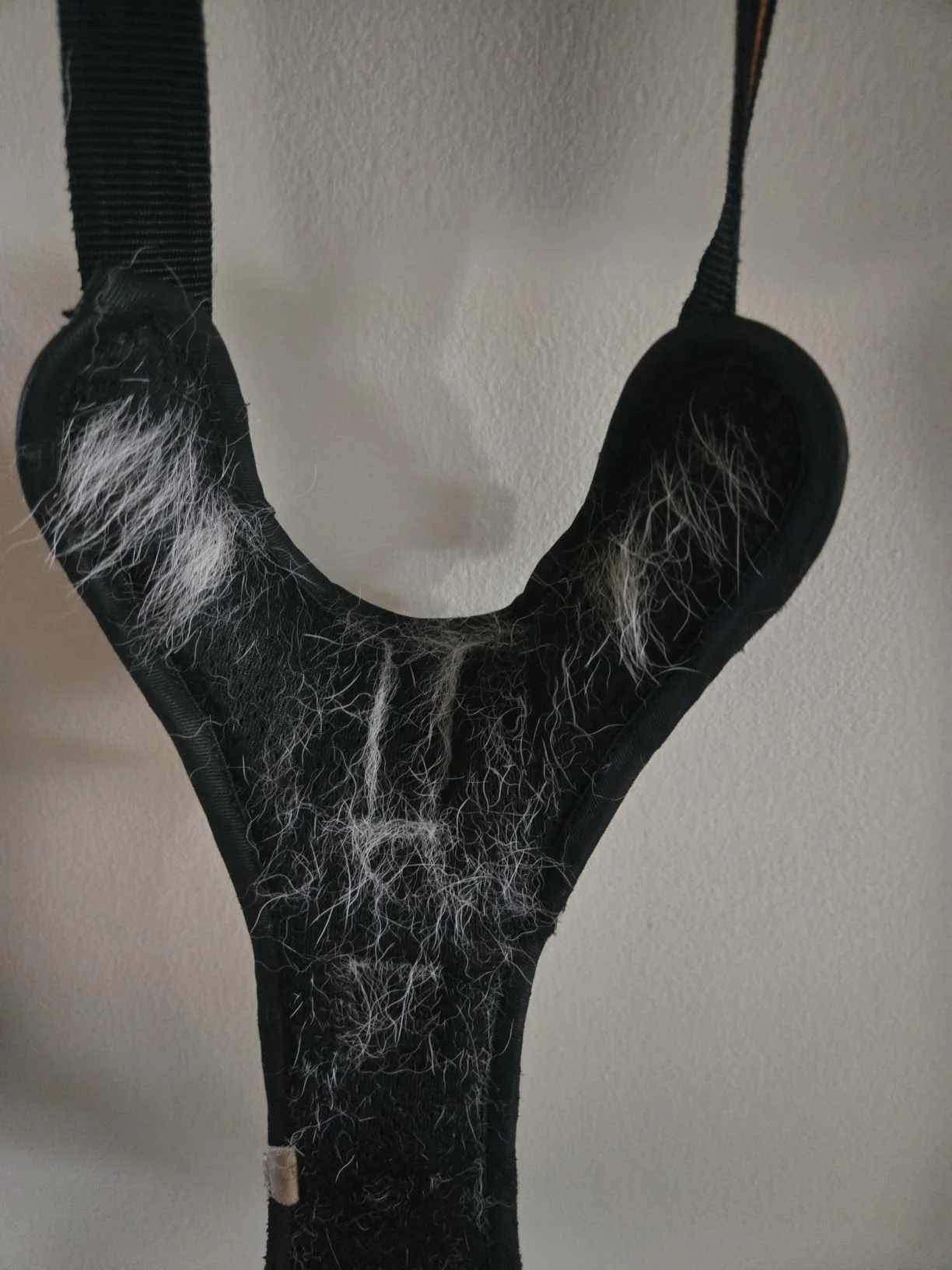
Before removing tags or throwing the packaging away, look at the bag, labels, and harness itself. Check for loose hair, obvious handling marks, missing tags, damaged packaging, or anything that makes the item look previously opened.
If several of those signs appear together, photograph them before use. That gives you a record of what arrived if you decide the condition is not acceptable.
Packaging alone cannot establish where an item came from, so the sensible response is not to declare it contaminated on sight. But when multiple buyers report the same taped-bag presentation and missing original packaging, the condition is worth documenting rather than brushing aside.
For a product that sits directly against your dog's body, "new" should at least look new. If the package arrives looking like something rescued from the returns pile, it is reasonable to stop, document the condition, and contact the seller before putting it into regular use.
Signs a Harness Strap Is Sitting Too Close to Your Dog's Front Legs and Chafing
A harness can be the right size on paper and still sit in exactly the wrong place. When the straps crowd the front legs, a normal walk can turn into constant rubbing at the armpits, leaving your dog uncomfortable and increasingly reluctant to move.
That pattern appeared in reports linked to PGH-AUDIT-L7B6 and PGH-AUDIT-G4BP. Both involved severe sizing problems, with owners reporting that the harness became too tight around the dog's body and caused trouble around the front-leg area.
For a dog, that is not just an annoying fit issue. Every step repeats the same rubbing, so a problem that seems minor when you first put the harness on can become much more obvious after a longer walk.
🐕 Walk Three Steps and Watch the Armpits
Put the harness on normally and let your dog walk around indoors for a few seconds. Watch the straps as the front legs move, then gently look underneath the harness to see whether the webbing is crowding the area directly behind the front legs.
If the strap stays pressed into that sensitive area instead of leaving comfortable room for movement, don't wait for your dog to start limping or refusing the harness. Take it off and reassess the fit before heading outside.
The sizing issue matters because the position of the strap can affect how freely the front legs move. Williams et al. (2025) identified at least 2 cm of clearance from the front-leg armpit as the relevant fit point in the supplied guidance, while improperly fitted harnesses in their reported study were associated with shorter strides and greater loading on the front limbs.
That gives owners something more useful than simply asking whether a harness "feels tight." Look at where the strap sits when the dog actually moves.
In the reported cases, the fit problems were serious enough to leave owners dealing with unusable harnesses and wasted purchases. A harness that crowds the front legs deserves attention before a short fitting problem becomes a repeated source of discomfort.
CONCLUSION
The biggest lesson from these harness problems is that a size chart should be treated as a starting point, not a promise. A dog with a deep chest or long body may need a different shape even when the measurements appear to match. The same is true for a broad-chested French Bulldog or an ultra-small dog whose body falls below the range a harness was designed to fit.
Before a walk, put the harness on indoors and watch the dog move. Check whether the chest area stays in place, whether the dog can back out, and whether the straps crowd the front legs. Comparing two sizes side by side can also reveal when moving from Small to Medium provides little extra room.
Packaging deserves a quick check too. Missing tags, taped wrapping, loose hair, or obvious handling marks should be photographed before the package is discarded. These simple checks can prevent an uncomfortable walk, an escape, or another wasted purchase.
THE ULTIMATE BUYING VERDICT
| Verdict | Key Consideration | Recommendation |
|---|---|---|
| 🔴 Significant concerns | Reported problems include inconsistent sizing, loose vest harnesses that dogs could back out of, front-leg chafing, and unusual packaging | Avoid relying on the printed size alone; inspect the actual fit and movement before using the harness outdoors |
| 🟡 Acceptable with limitations | A harness may work when its chest, neck, and body dimensions match the dog, but some size ranges may not provide enough useful options | Compare the harness directly with your dog's body and test it indoors before committing to regular walks |
| 🟢 Meets long-term expectations | Adjustable chest and back straps, secure positioning, enough room around the front legs, and a fit that stays stable during movement are supported as desirable qualities | Look for a harness that remains comfortably positioned while the dog walks, without crowding the legs or creating an easy path to back out |