A rabbit may happily eat one bag of hay and suddenly refuse the next. The change can be frustrating when the package looks similar, especially if the hay is meant to provide most of the roughage in the daily diet. Small differences in texture, smell, dust, moisture, or even the type of hay can affect whether a rabbit actually eats enough.
The supplied examples show several practical problems owners can spot at home. One reported batch was refused by rabbits that normally accepted it, while another had an unusual appearance and weak texture. Owners of adult rabbits also need to think about the difference between richer alfalfa and lower-calcium grass hay such as timothy. Storage adds another concern: damp hay can deteriorate, develop mold, and become less useful as food.
Before buying a large bag, it helps to judge the hay by what is actually inside, how it smells and feels, and whether your rabbit willingly eats it.
How Daily Fiber Intake Keeps a Rabbit's Digestive System Moving
A rabbit can make hay look like the least exciting item in the room, but fiber does the quiet work that keeps daily digestion on track. For a first-time owner, the confusing part is knowing whether a bag is actually giving your rabbit enough usable roughage—or simply taking up space beside the pellets.
One reported batch, coded PGH-AUDIT-VJDC, was met with complete refusal from rabbits that normally ate the product, forcing owners to fall back on pellets and treats while trying to keep meals consistent. The same reports described unusual color and a sticky, weak texture after preparation, making the hay difficult to rely on as a normal part of the diet.
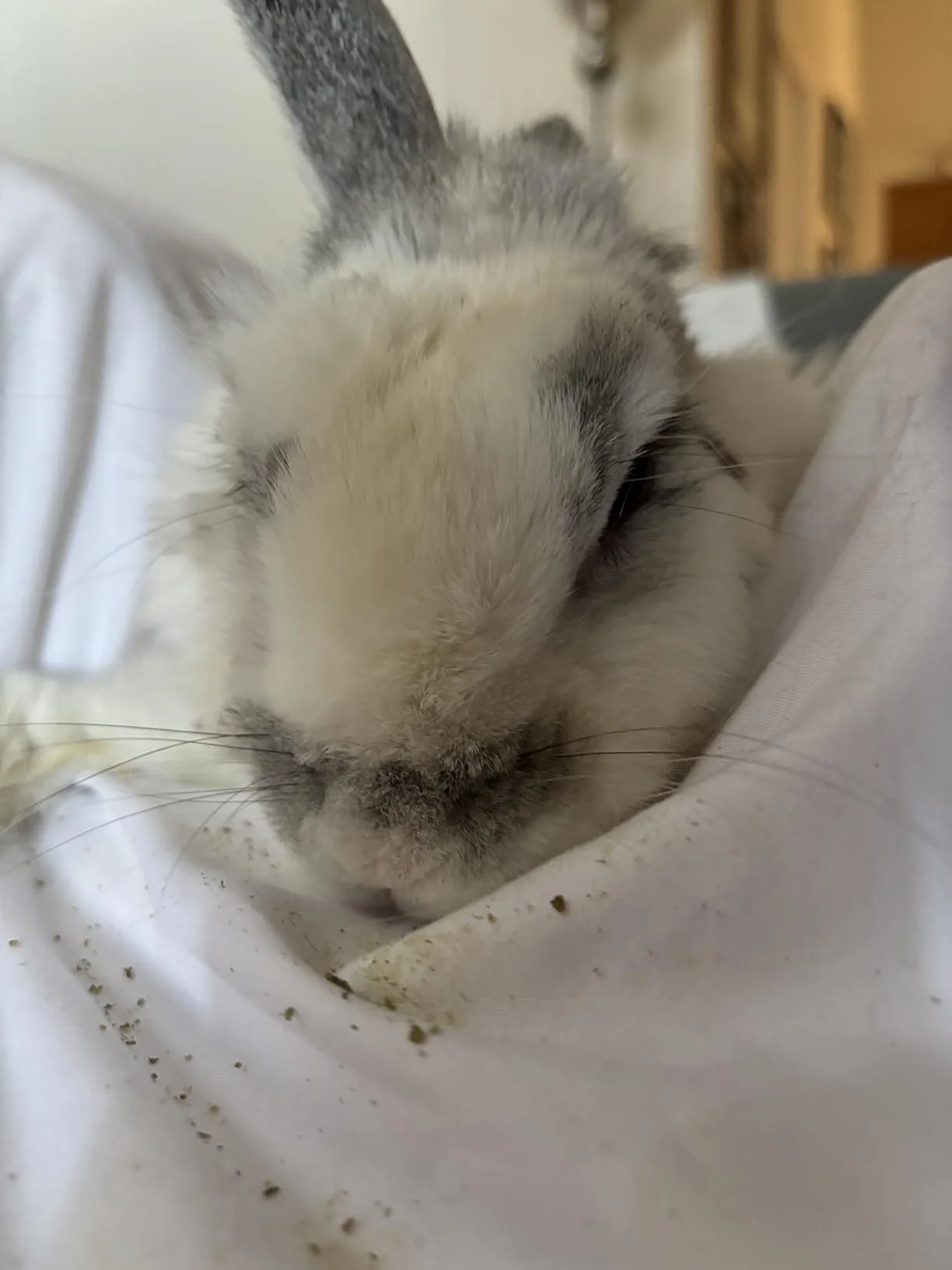
That matters because hay is not just another snack. The supplied research notes that rabbits need substantial fiber to keep food moving through the digestive tract, and that diets below the stated fiber range are associated with a much higher risk of gastrointestinal stasis. The same source gives 18% total dietary fiber as the minimum benchmark for growing rabbits and notes that particles should be at least 1 mm to help stimulate normal movement.
🧺 Pull a Fresh Handful Before the Next Meal
Take a small handful of the hay and gently pull it apart. Look for plenty of recognizable grass pieces rather than a bag dominated by limp fragments or material your rabbit repeatedly leaves behind. Then offer a fresh portion and watch whether your rabbit actually eats it instead of picking around it.
If your rabbit suddenly refuses a product it normally accepts, don't assume it's simply being picky. A rejected batch can turn the feeding routine upside down, especially when pellets and treats start replacing the forage that normally supplies most of the daily fiber.
For a dependable routine, keep grass hay continuously available and pay attention to both quality and actual intake rather than relying only on the product label. The available evidence supports treating hay as a central part of the rabbit's everyday diet, while this particular reported batch gives owners a reason to be cautious about unexplained changes in appearance, texture, or acceptance.
When to Transition Rabbits from Alfalfa to Low-Calcium Timothy Hay
Alfalfa can look like the premium choice on a shelf, especially when the packaging makes it sound richer, greener, or more nourishing. For an adult rabbit, though, richer is not automatically better—the calcium load is the part that deserves attention.
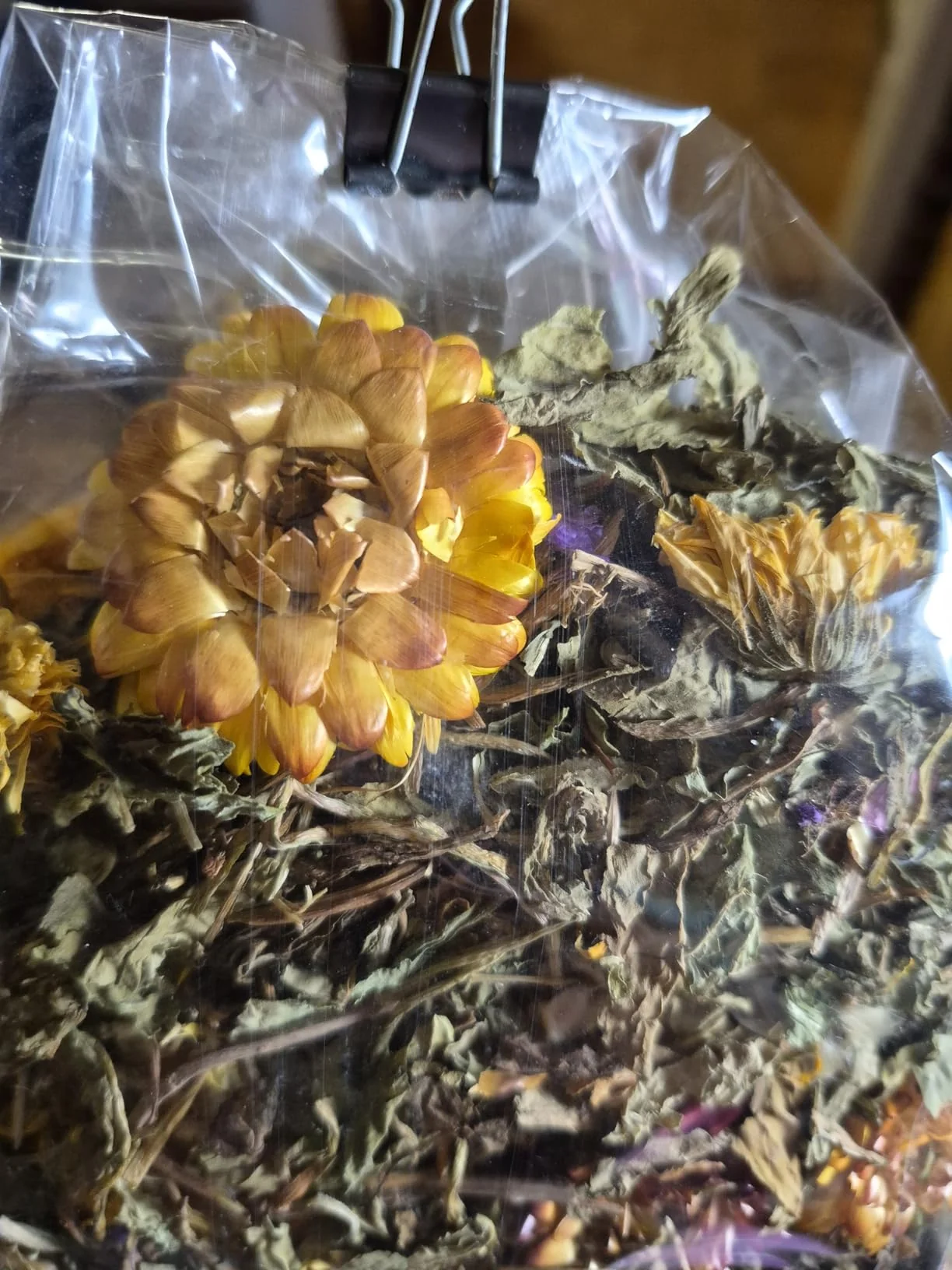
One reported product batch, coded PGH-AUDIT-4X5V, arrived looking nothing like the polished presentation promised by the listing. Owners described a messy, dried-out appearance with unclear contents, making it difficult to know what their rabbits were actually eating.
That distinction becomes more important as a rabbit moves beyond the young stage. The supplied evidence puts alfalfa at roughly 1.3–1.8% calcium, compared with about 0.4–0.6% for timothy hay. In the cited 12-week trial, adult rabbits on alfalfa-based diets had serum calcium rise by 22%, and 37% developed microscopic urinary crystals, while the timothy-fed group maintained stable body condition and showed no urinary sludge.
🐇 Compare the Hay Before You Refill the Rack
Grab the current bag and check what type of hay you are actually offering. If your adult rabbit is still receiving alfalfa as the main hay, compare it directly with a grass hay such as timothy rather than assuming the more expensive bag is the healthier everyday choice.
The practical goal is not to make every rabbit eat the same hay overnight. For adults, the supplied guidance favors making grass hay the dominant part of the daily diet, while reserving alfalfa primarily for younger rabbits and other situations specifically identified in the source.
And watch the product itself, not just the name printed on the front. A premium price cannot tell you whether the contents are consistent, recognizable, or suitable for long-term feeding.
For an adult rabbit, timothy hay is the safer everyday direction when calcium is the concern. The reported batch also shows why owners should verify what is actually inside the package instead of trusting attractive claims alone; if the hay's appearance or contents seem inconsistent, a more cautious choice is warranted.
How to Check Stored Hay for Excess Moisture and Mold Growth
A big bag of hay can look perfectly usable when it first arrives and still become a problem after sitting in storage. If the smell turns sour, the color shifts, or the hay develops an unusual feel, don't treat that as normal aging.
One reported batch, coded PGH-AUDIT-VJDC, developed an abnormal yellow-green appearance and a sticky, insubstantial texture after preparation. The problem was reported across multiple units, which made it harder to dismiss as a one-off bad handful.
Moisture is the key number to watch. The supplied evidence states that hay entering storage above 27% moisture can deteriorate, with poorer quality, more mold growth, and lower digestibility; the same source identifies 73% dry matter, or no more than 27% moisture, as the basic storage threshold.
For everyday rabbit hay, the supplied guidance is stricter, listing under 15% moisture alongside dry storage as the target for fresh hay. It also advises replacing hay that becomes damp or soiled rather than letting it remain available to the rabbit.
🌾 Feel the Bag Before You Keep It
Open the stored hay and take a small handful. Check whether it feels unusually damp, clumps together, or smells sour or musty instead of fresh and grassy. If you have a moisture reading for the hay, compare it with the storage guidance rather than guessing from appearance alone.
Don't rely on color by itself. The reported batch shows why appearance can raise a warning, but a strange color or texture is not enough to establish the exact cause without further testing.
Storage conditions matter too. Keep the hay in a dry, low-humidity place, protected from moisture rather than sealed somewhere warm and damp. If a large bale has already developed an unusual odor, dampness, or visible spoilage, separating the questionable material from fresh hay is the more cautious move.
For rabbit owners buying in bulk, the simple rule is useful: check the hay when it arrives, check it again during storage, and don't let a suspicious batch become the rabbit's only food source. The reported case gives owners a practical reason to pay attention before a large purchase turns into a large waste pile.
Why Unlisted Herbal Scents and Heavy Dust Cause Respiratory Distress in Rabbits
A rabbit that normally accepts hay can suddenly back away when the bag opens. Heavy dust, an unfamiliar smell, or a strong herbal scent can turn an ordinary feeding session into repeated sneezing and immediate food rejection.
That pattern appeared with the reported batch coded PGH-AUDIT-4X5V. The product was described as having an intense dusty odor that triggered sneezing in rabbits, while the strong peppermint presence was not clearly disclosed on the front label; multiple animals ultimately avoided the hay rather than eating it.
The supplied safety material describes rabbits as particularly sensitive to poor-quality hay and identifies musty, moldy, or dusty hay as something to avoid. It also states that hay should have a fresh smell rather than an ammonia or sour odor, giving owners a practical sensory screen before feeding.
👃 Open the Bag and Let Your Rabbit Decide
Open the package away from your rabbit's face and take a moment to smell the hay yourself. If the first thing you notice is a harsh herbal scent, heavy dust, or an unpleasant odor instead of a clean grassy smell, don't immediately put a full serving into the enclosure.
Then watch what happens with a small fresh portion. Repeated sneezing, backing away, tossing the hay aside, or refusing a product your rabbit normally eats are useful warning signs that the batch isn't being tolerated well.
The reported case is especially instructive because the animals didn't merely show a preference for something else—they repeatedly rejected the product, while the dusty odor itself was associated with sneezing.
A strong scent also shouldn't be used to disguise uncertainty about the hay's underlying quality. Owners deserve to know what they're feeding, particularly when an unexpected ingredient or smell appears alongside heavy dust.
If a rabbit shows persistent respiratory signs or stops eating, don't keep experimenting with the questionable hay. Remove the suspect product and seek veterinary advice; the batch-level reports support treating unexplained dust, strong odors, and sudden rejection as reasons to pause rather than push through.
CONCLUSION
Good rabbit hay is not simply hay with attractive packaging or a premium-sounding name. A careful buyer should look at several things together: whether the hay provides enough fiber, whether the type fits the rabbit's life stage, whether it has been kept dry, and whether its smell, texture, and dust level seem normal.
For everyday feeding, grass hay should remain readily available. Adult rabbits generally have a stronger reason to move from alfalfa toward a grass hay such as timothy when calcium is a concern. The supplied evidence also gives owners useful checks for questionable hay: unusual dampness, sour or musty smells, heavy dust, unexpected scents, strange texture, or sudden refusal by a rabbit that normally eats the product.
Buying smaller amounts can make it easier to inspect each batch before committing to bulk storage. If a product changes noticeably or your rabbit stops eating it, don't force the issue just because the package is new. Remove questionable hay and use a more dependable option.
THE ULTIMATE BUYING VERDICT
| Verdict | Key Consideration | Recommendation |
|---|---|---|
| 🔴 Significant concerns | Hay that is heavily dusty, unusually damp, musty, strongly scented, visibly questionable, or repeatedly refused by rabbits raises clear concerns about everyday use. | Avoid relying on a questionable batch, especially when sudden sneezing, food refusal, or obvious spoilage appears. |
| 🟡 Acceptable with limitations | Alfalfa can have a place for younger rabbits, but its higher calcium level makes it less suitable as the main everyday hay for many adult rabbits. | Check the rabbit's life stage and compare alfalfa with grass hay such as timothy before making it the regular choice. |
| 🟢 Meets long-term expectations | Fresh, recognizable grass hay that is readily eaten, kept dry, and free from strong unwanted odors or heavy dust best fits the supplied guidance for routine feeding. | Look for consistent quality, suitable fiber, clean smell and texture, and dependable rabbit acceptance before buying in bulk. |