A new chew toy can look simple enough to place in a rabbit's enclosure, but the first piece may deserve a closer look. Reported cases in the supplied evidence include woven chews with hidden staples and glue, compressed grass treats that stayed unusually hard, scented sticks that several small animals refused, and unidentified wood toys included in an enclosure kit. These problems are not always visible from the outside.
Before giving an unfamiliar chew to a rabbit, check what it is made from, how it smells, how it breaks apart, and whether anything unusual is hidden inside. Cutting open one sample can reveal parts that would otherwise stay out of sight. Testing how a grass treat responds to water can also show whether it behaves more like natural fiber or a dense block. When a product has an unexplained smell, unknown material, or unexpected debris, setting it aside is a sensible choice.
How to Inspect Woven Carrot Chew Toys for Internal Staples and Hot Glue
A woven carrot chew can look harmless on the outside, yet the real problem may be buried inside the toy where your rabbit cannot see it. One reported batch of carrot and star chews contained hidden staples and hot glue, while a strong chemical smell made several small pets refuse the toys altogether.
That turns a simple chew-time purchase into an unwanted scavenger hunt. Instead of handing it straight to your rabbit, treat the first piece as something worth checking before those little teeth get involved.
For a reported case tracked as PGH-AUDIT-GJFS, reviewers described staples embedded inside the chew pieces and glue used to hold internal parts together. The same reports also mentioned broken pieces, dusty-looking toys, missing items, and quantities that did not match the listing.
The concern is straightforward: a rabbit can break apart a chew faster than you can notice what was hidden inside it. A staple or hardened glue fragment that becomes exposed during chewing is no longer merely a cosmetic defect; it becomes a foreign object your pet could potentially swallow.
🔎 Cut One Open Before the First Chew
Take one carrot or star piece and carefully cut it across the middle with household scissors or a craft knife, keeping your fingers away from the cutting path. Look through the center for metal, glue blobs, loose fragments, or anything that clearly does not belong in a woven chew.
Then smell the opened piece. A pronounced chemical odor is another reason to set the batch aside rather than assuming your rabbit will simply “get used to it.” In the reported case, that unfamiliar smell was enough for multiple rabbits and guinea pigs to reject the toys.
The supplied safety evidence emphasizes avoiding unsuitable or contaminated materials around rabbits, while this particular case provides a more immediate lesson: what looks like plain woven forage can hide components that are impossible to judge from the surface alone.
For this reported batch, the combination of hidden staples, visible glue, broken pieces, and strong odor makes a cautious approach sensible. If the inside does not look as simple as the outside, leaving that chew unused is the safer choice.
Why Overly Hard Compressed Grass Treats Pose Digestibility Issues
A compressed grass ball is supposed to give a rabbit something satisfying to work through, not something that behaves like a pebble. In one reported case, the treats were described as hard as a rock, and attempts to soften them with water did not make them usable.
The same case involved a rabbit that died shortly after consuming the treats, with the owner reporting no other diet change. That timing is serious, but it does not by itself prove the treat caused the death. It does show why an unusually hard product deserves more scrutiny before another piece goes into the enclosure.
The reported batch, tracked as PGH-AUDIT-SZ7, also had a separate quality problem: live hay bugs were later found in the storage container. That combination—an unusually hard chew plus questionable storage or hygiene—makes relying on a “natural grass” label a poor substitute for actually checking the finished product.
🪨 Try Softening One Piece Before Serving
Take a single treat and place it in water rather than giving the whole batch to your rabbit. If the piece remains unusually hard and intact after soaking, do not assume that extra chewing makes it appropriate to eat.
The supplied research notes that rabbits rely on grass hay's long, tough fibers for normal chewing and digestion. That is different from a piece that has simply been compacted as hard as possible: the important distinction is between natural fiber that can be worked through and a dense chunk that stays stubbornly intact.
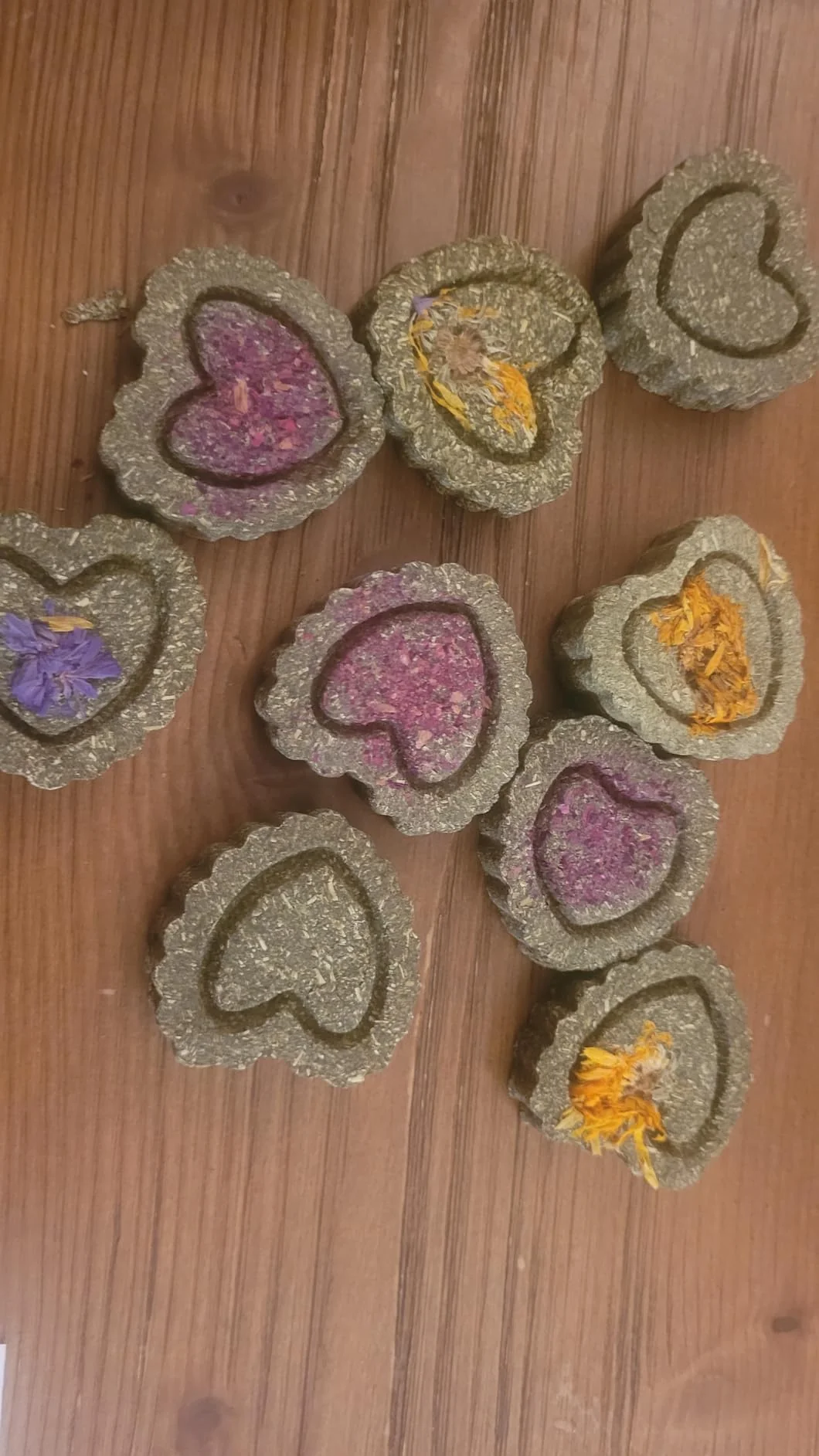
For a chew advertised as edible grass, inspect what happens when it is moistened and broken apart. If it remains a dense, rock-like mass, it is difficult to justify treating that texture as equivalent to ordinary loose grass hay.
There is another practical warning sign here: do not ignore unexpected insects or a stale-looking container just because the treats are labeled natural. For this reported batch, the combination of extreme hardness, poor usability, and live bugs warrants keeping the product away from the rabbit until its safety can be established.
Why Small Animals Refuse Artificially Scented Chew Sticks
A chew stick can look perfectly ordinary and still fail the first test that matters: your pet's reaction to it. In the reported case, rabbits, hamsters, and rats all rejected the sticks, with owners describing little to no interest even after repeated attempts.
The product was promoted as having an apple-like scent, yet the reported experience was the opposite: there was no recognizable apple smell, and the animals treated the sticks as something to avoid rather than something worth chewing.
For the reported batch tracked as PGH-AUDIT-GHPX, the problem was not simply that one picky pet turned down a treat. Multiple small-animal species reportedly refused to engage with it, and some owners compared the sticks unfavorably with ordinary branches available outdoors.
🌳 Look at the Freshly Cut End
Before offering an unfamiliar scented stick, cut a small section from one end and look closely at the exposed wood. Check whether the inside shows a consistent natural wood pattern rather than an unusual coating, soaked-looking surface, or other visible treatment.
Then smell the fresh cut. A genuine-looking piece of wood should not need a strong artificial perfume to make the product seem appealing, and a scent claim that disappears entirely—or is replaced by an unfamiliar odor—is worth treating as a quality warning.
The reported experience does not establish what substance, if any, was responsible for the animals' rejection. It does show that a marketing claim about apple fragrance means little if the finished chew consistently fails to attract the animals it was intended for.
If several normally curious small pets independently avoid the same sticks, do not keep offering them in the hope that one will eventually change its mind. For this reported batch, the mismatch between the advertised scent and the animals' consistent refusal is enough reason to set the sticks aside.
What to Check Before Giving Pets Bundled Wood Toys Included in Enclosure Kits
A wood toy thrown into an enclosure kit can look like a thoughtful bonus, but “included” does not automatically mean suitable for chewing. One reported case involved a dwarf rabbit that developed severe gastrointestinal stasis after using wood toys supplied with a bundled litter-box kit and reportedly came close to dying.
The product, tracked here as PGH-AUDIT-17RYX, was sold as part of a larger package rather than as a clearly identified standalone chew. That makes the wood itself easy to overlook when checking what you are actually putting inside the enclosure.
The important point is not to assume that an unmarked wooden toy is harmless simply because it came with a pet product. If there is no clear information about what the wood is or how it was treated, the safest practical choice is to remove it until its suitability can be established.
🌲 Check the Wood Before It Goes in the Enclosure
Pick up each bundled wood piece and inspect it before your rabbit gets access. Look for a clearly identified wood source, visible coatings, paint, stains, or an unexplained smell; if the material cannot be identified, set that piece aside rather than treating it as a free chew.
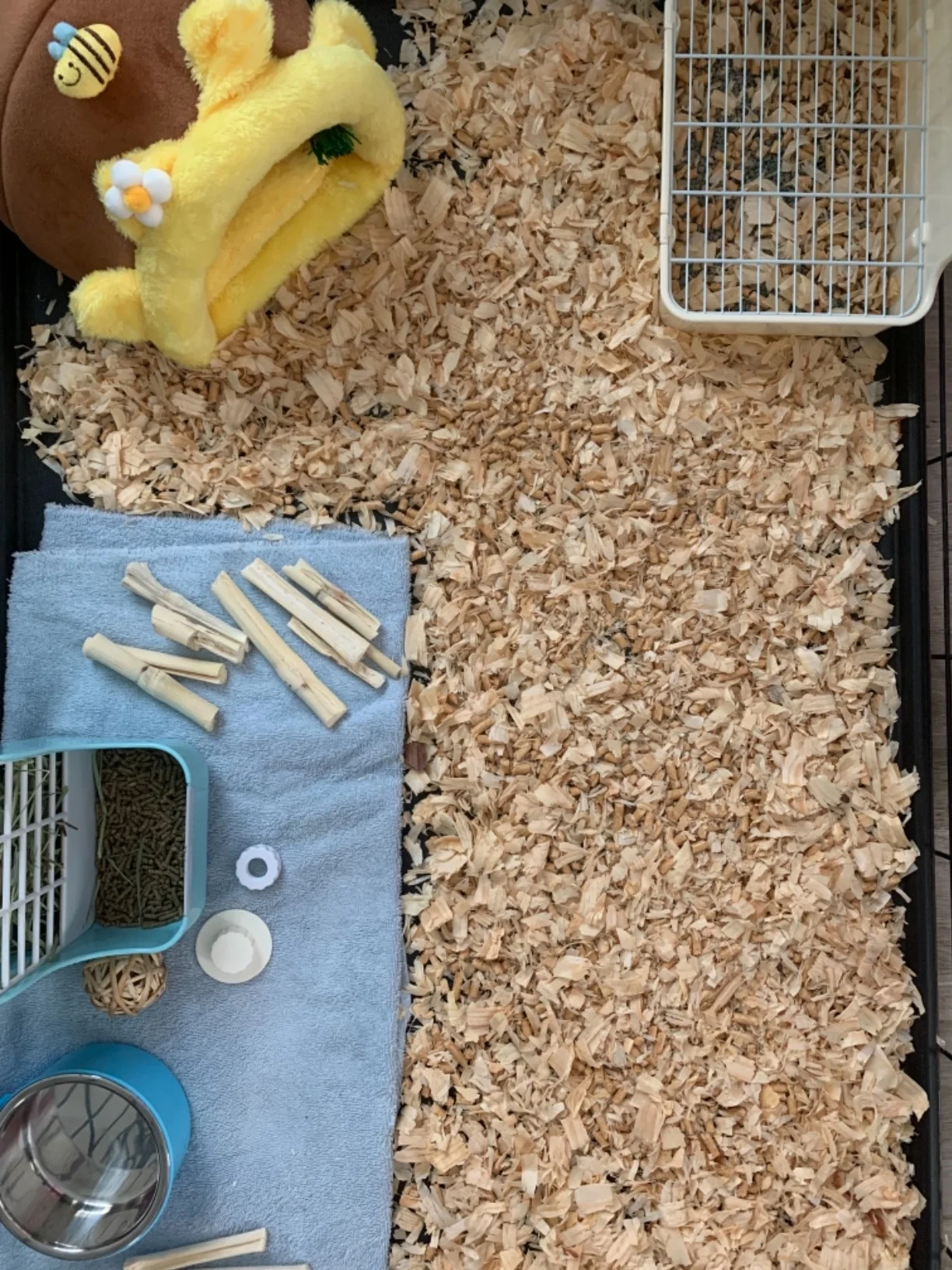
The supplied research links poor-quality or unsuitable plant material with disruption of the rabbit's digestive environment. That provides a useful reason to be selective, but the reported case does not establish that a particular wood species or coating caused the rabbit's gastrointestinal stasis.
What it does establish is a practical warning: a bundled toy should not receive a free pass simply because it arrived inside a rabbit enclosure kit. For this reported product experience, an unidentified wood chew is a part worth removing rather than gambling on its safety.
CONCLUSION
The safest habit is to inspect a new chew before your rabbit gets the chance to tear it apart. A woven carrot or star toy should not contain hidden metal, large glue deposits, or loose pieces when opened. A compressed grass treat should be checked for an unusually hard, rock-like texture rather than being assumed safe because it is labeled as grass. Live bugs, a stale-looking container, or other storage concerns are also reasons to stop and reassess.
Scented sticks deserve the same care. If the claimed apple scent does not match the actual smell and several small animals consistently avoid the sticks, there is little reason to keep offering them. Bundled wood toys should also be checked for an identified wood source, coatings, paint, stains, and unexplained odors. The supplied cases do not prove that every reported problem caused a specific health outcome, but they do support a simple buying habit: inspect first, and do not rely on packaging claims alone.
THE ULTIMATE BUYING VERDICT
| Verdict | Key Consideration | Recommendation |
|---|---|---|
| 🔴 Significant concerns | Hidden staples or glue, unusually hard compressed grass, strong unexplained odors, live bugs, or unidentified bundled wood are important warning signs. | Set the product aside when these problems appear instead of giving the chew to the rabbit. |
| 🟡 Acceptable with limitations | Some chews may look ordinary but still need an inside check, a texture check, or closer attention to smell and animal response. | Inspect one piece first and stop using it if the material, texture, smell, or animal response seems unusual. |
| 🟢 Meets long-term expectations | Desirable chews should have clearly identifiable materials, no hidden foreign parts, a reasonable texture, and no unexplained treatment or odor. | Choose products whose materials and condition can be checked easily, and keep unfamiliar bundled or scented items under closer scrutiny. |