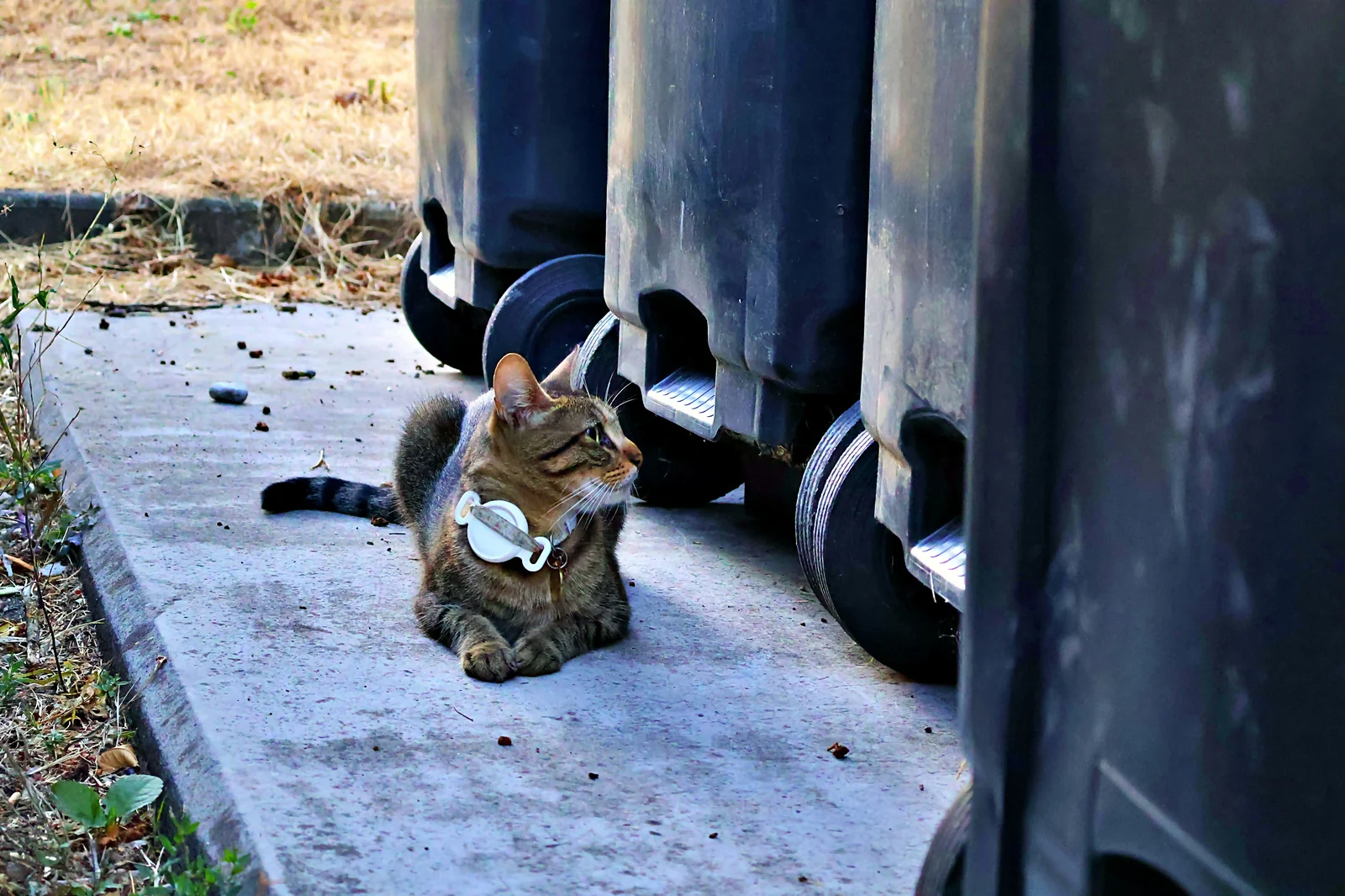
A senior cat may still walk around the house normally while quietly changing the way it moves. Maybe it pauses before jumping onto the sofa, chooses a lower perch, stops grooming as often, or seems more irritable than usual. These small changes can be easy to dismiss as normal aging, especially when there is no obvious limp. But when several changes appear together, they can signal that movement has become uncomfortable.
Joint supplements can also create their own problems when the serving instructions are unclear or when owners add them to a cat's existing medication routine without checking first. One reported senior-cat case involved arthritis alongside kidney disease and dementia, while also showing problems with supplement acceptance and safety concerns.
For careful owners, the important questions are simple: What behavior has changed, how much is the cat actually receiving, and is the supplement appropriate alongside everything else the cat takes?
Recognizing Signs of Arthritis in Senior Cats Before Mobility Declines
A senior cat does not have to limp dramatically for joint pain to change daily life. Hesitating before a jump, abandoning high perches, grooming less, or becoming unusually irritable can be early clues that movement no longer feels comfortable. Because cats tend to conceal pain, these quiet changes are easy to dismiss as ordinary aging.
One reported senior-cat case, tracked as PGH-AUDIT-NYLD, involved arthritis alongside kidney disease and dementia. The owner also found that the cat would completely reject a routine powdered supplement mixed into wet food, making consistent daily use impossible.
That is an important distinction for owners watching mobility. A cat that stops jumping onto a favorite high spot may look lazy at first, but when the change appears together with reduced grooming or a sharper temperament, the behavior deserves attention rather than being written off as "just getting old."
🐾 Watch the Favorite Perch Tonight
Look at the places your cat normally climbs. If your cat pauses before jumping, chooses a lower surface, or avoids a familiar perch altogether, note the change and compare it with previous behavior.
For cats already suspected of having osteoarthritis, the supplied evidence describes glucosamine, chondroitin, and omega-3s as supporting smoother movement and helping with discomfort. But this is not a two-day experiment: the cited material places the expected measurable improvement at at least eight weeks of consistent daily supplementation, with inconsistent intake reducing the likelihood of benefit.
The supplied 2022 review reported improvements in activity and pain scores across feline OA studies, while the 2024 randomized trial examined an EPA/DHA, turmeric, and collagen combination in cats with mild OA.
So if a senior cat is quietly giving up its favorite jumps, do not automatically blame age—and do not keep changing a consistent joint-support routine every few days because the cat has not suddenly become more active. When mobility and behavior shift together, a veterinarian can help determine whether painful arthritis is actually behind the change.
How Unclear Dosage Instructions Can Risk Vitamin A Toxicity in Cats
A supplement can look harmless until the serving instructions turn a small cat into a surprisingly large daily dose. "One treat per pound" sounds simple, but for a 12-pound cat it means 12 treats every day—a very different proposition from a label suggesting the bag contains a 30-day supply.
That discrepancy was reported in the case tracked as PGH-AUDIT-NYLD. The product was promoted as a "30-day supply," while its directions called for one treat per pound of body weight each day; the supplied case data specifically flags concern over excessive vitamin A, with reports of vomiting, diarrhea, lethargy, seizures, and emergency veterinary care.
And that is where the math becomes impossible to ignore. A 12-pound cat following the stated instruction would need at least 12 treats a day, rapidly consuming a bag that was supposedly designed to last a month.
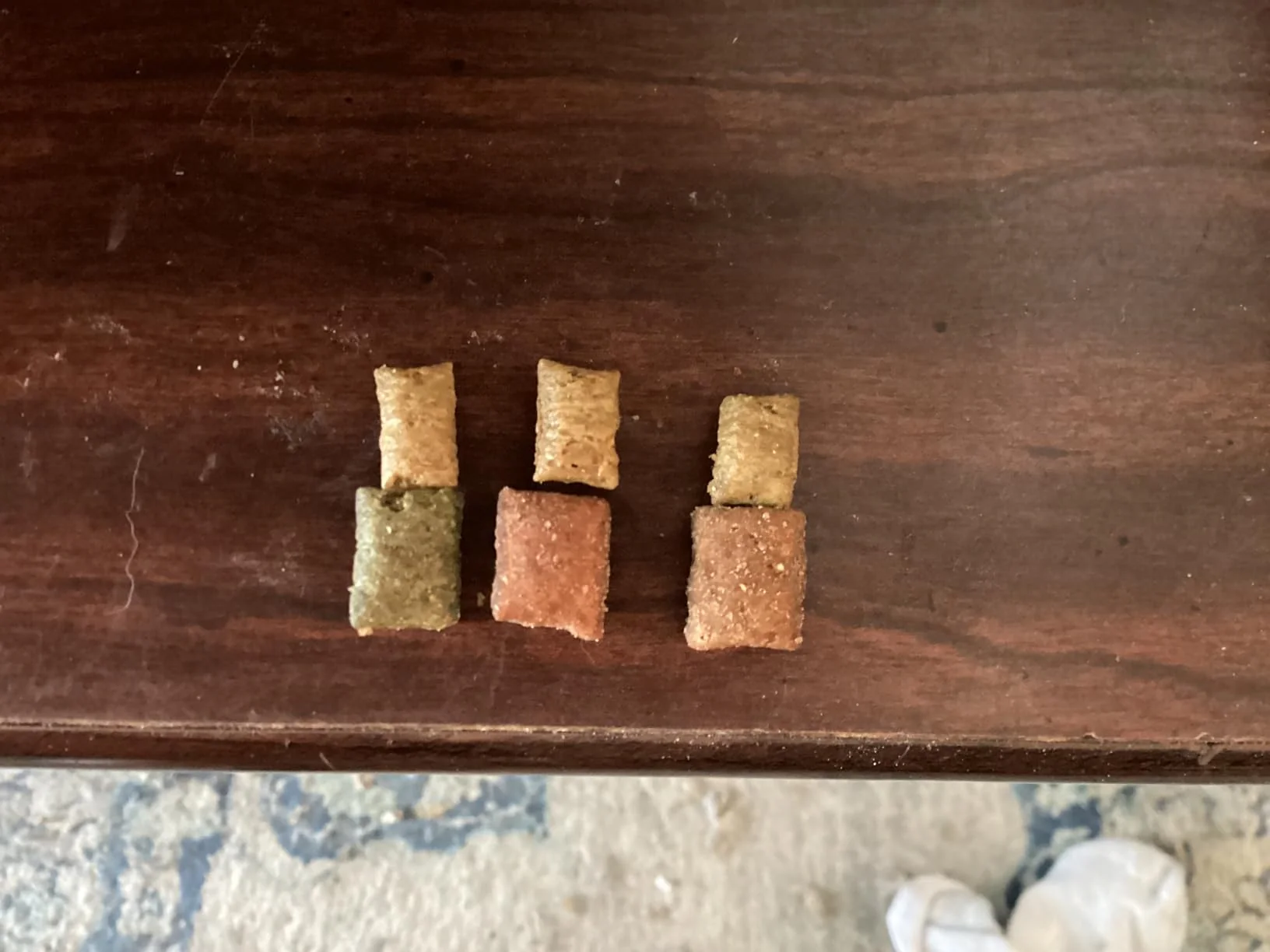
⚠️ Count the Daily Serving Before Opening the Bag
Take your cat's actual body weight and multiply it by the label's stated treats-per-pound instruction. Then compare that number with the claimed number of daily servings on the package.
If those two numbers do not agree, stop and clarify the serving instructions with a veterinarian rather than guessing. The supplied feline safety data gives daily reference amounts of 250–500 mg for glucosamine and 100–200 mg for chondroitin, while also flagging excessive vitamin A as a toxicity concern because cats can accumulate this fat-soluble vitamin in the liver.
The practical problem is not merely that a bag might disappear faster than expected. An unclear serving rule can make it difficult for an owner to know how much of each ingredient the cat is actually receiving each day, particularly when several treats are required to satisfy the label.
A trustworthy dosage instruction should make the daily amount obvious for the animal's weight. If the package makes you reach for a calculator just to figure out whether the promised "30-day supply" is actually 30 days, that uncertainty is worth resolving before the first serving.
Safety Guidelines for Combining Joint Supplements with Prescription Pain Meds
A joint supplement is not automatically harmless just because it is sold as a nutritional product. For a senior cat already receiving prescription pain medication, adding another product without veterinary guidance can create a safety problem that is difficult to untangle afterward.
The case tracked as PGH-AUDIT-NYLD also illustrates why the ingredient list matters. The reported cat experienced respiratory distress and a severe allergic reaction associated with chicken as a primary ingredient, while the same case record includes gastrointestinal problems after use.
The supplied safety guidance draws a clear line around three situations. First, do not combine these joint supplements with NSAIDs such as meloxicam unless a veterinarian specifically directs the combination. Second, cats with shellfish allergies should avoid glucosamine sourced from shellfish. Third, the supplied material does not establish safety for kittens or pregnant or nursing queens.
🩺 Read the Ingredient List Before the Next Dose
Before giving the next serving, check whether the product contains a shellfish-derived glucosamine source and whether your cat is already taking an NSAID. If either point raises a question, pause and ask the prescribing veterinarian or veterinary team rather than improvising the combination.
This matters even more when a cat has previously reacted to an ingredient. The reported case specifically identifies chicken-associated respiratory distress and anaphylaxis as a negative trigger, so "it is only a supplement" is not a useful safety assumption.
The goal is not to avoid every joint-support ingredient. It is to make sure the veterinarian knows everything the cat is receiving, especially prescription pain medication, allergy history, and the exact supplement ingredients.
For a cat with kidney disease or other ongoing conditions, that conversation becomes even more important. The available case evidence shows that senior cats may already be dealing with several problems at once, making unsupervised combinations a poor place to experiment.
CONCLUSION
The safest approach is to treat changes in mobility as useful information rather than simply blaming age. A cat that stops using a favorite perch, grooms less, or becomes unusually irritable deserves closer attention, especially when several changes happen together. Consistency also matters when a joint-support routine has been chosen. The supplied evidence describes expected improvement over a period of at least eight weeks, so changing products every few days because the cat is not immediately more active may make it harder to judge whether the routine is helping.
Before starting or changing a supplement, carefully check the serving directions against your cat's actual weight. If the label's daily amount does not match its claimed supply period, clarify the instructions instead of guessing. Owners should also review the full ingredient list, particularly when a cat has allergies, receives prescription pain medication, or has other ongoing conditions.
THE ULTIMATE BUYING VERDICT
| Verdict | Key Consideration | Recommendation |
|---|---|---|
| 🔴 Significant concerns | Unclear weight-based serving instructions, excessive vitamin A concerns, reported allergic reactions, and unsupervised use alongside prescription pain medication can create serious safety questions. | Do not guess at the dose or combine the supplement with prescription pain medication without veterinary guidance. |
| 🟡 Acceptable with limitations | Joint-support ingredients may be used as part of a consistent routine, but benefits are not expected immediately and some cats may reject the product. | Check the serving amount carefully, monitor whether the cat accepts it, and give the routine enough consistent time to judge its effect. |
| 🟢 Meets long-term expectations | Clear dosing, understandable ingredient information, and a routine that fits the cat's individual needs make a supplement easier to use responsibly. | Look for instructions that clearly state the daily amount for your cat's weight and discuss the product with the veterinary team when medication, allergies, or other conditions are involved. |