A dog that starts scraping its nails, folding a back paw under, or taking shorter steps can make a normal walk suddenly look very different. These changes may become especially noticeable when knee stiffness, an injury, or muscle weakness makes it harder to place the rear foot normally. In some reported cases, dogs with serious joint trouble developed knuckling, dragging, trouble with stairs, and difficulty staying upright for everyday needs.
The knee does not work alone. When it becomes painful or less stable, a dog may shift weight away from the affected leg and rely less on the muscles that normally support movement. Over time, that can make ordinary walking harder.
For owners, the important point is not to dismiss repeated dragging as simple aging. Watch how the rear paws move, consider the condition of the whole joint and leg, and recognize when a change in gait needs more than another supplement.
Why Knee Stiffness Causes Dogs to Knuckle and Drag Their Back Legs
A dog can look like it has simply "slowed down" with age, yet the clues may be much more specific. Dragging the back feet, flipping a paw over, trembling while standing, or struggling to stay upright long enough to poop can turn an ordinary walk into a daily balancing act.
One especially telling case involved a senior dog whose hind legs dragged during walks, while another Chihuahua with severe joint trouble developed backward knuckling. In the same group of reports, a 12-year-old mixed-breed dog eventually struggled with stairs and basic movement. The anonymized case PGH-AUDIT-VJHW captures how quickly a mobility problem can become an everyday independence problem.
But the knee is doing more work here than most owners realize. Think of it like the shock cushion in a running shoe: when that cushion stops doing its job, each step becomes harder to manage, and the dog may shift more weight onto other parts of the leg. Over time, that compensation can leave the muscles doing less and less of the work they were meant to handle.
That is why a paw that suddenly folds under or scrapes along the floor deserves attention rather than a casual "he's just getting old." The dragging itself is a visible clue that normal support and movement are no longer working smoothly.
🐾 Watch the Back Feet During One Walk
Let your dog walk slowly across a flat, non-slip surface and watch the rear paws from behind. Look for a paw turning under, nails scraping repeatedly, uneven steps, or the dog briefly dropping onto the hocks instead of placing the foot normally.
If those signs appear repeatedly, don't assume a joint chew alone explains or fixes them. The supplied evidence links knee problems with mobility loss and muscle weakness, while severe cases may require veterinary assessment rather than simply adding another supplement.
For owners seeing persistent knuckling or dragging, the practical takeaway is simple: treat the gait change as a real mobility clue, not just an age-related quirk.
When to Add Calcium, Vitamin D, and Collagen for Dog Bone Support
A dog with stiff knees does not always have a problem that can be solved by simply adding more glucosamine. When the joint is already struggling, the bigger picture includes the bone, the cartilage around it, and the way the joint handles everyday movement.
Think of the skeleton like a house. Calcium and vitamin D help provide the bricks and cement, while collagen provides part of the framework that keeps the whole structure supported. If you focus only on cartilage support, you can miss what is happening underneath the joint.
This matters when stiffness becomes persistent or the knee seems increasingly difficult to bend. Bone changes and extra growth around a worn joint can make movement feel increasingly restricted, leaving the dog taking shorter steps or avoiding movements that once came naturally.
🐕 Look Beyond the Glucosamine Bottle
Check what the formula actually covers instead of automatically choosing a product because "joint support" is printed on the label. A more complete approach may combine nutrients aimed at bone maintenance with ingredients intended to support cartilage and help manage inflammation.
The supplied evidence includes a 2024 randomized trial showing that vitamin D2 helped maintain blood vitamin D levels and bone mineralization in adult dogs. Earlier bone-density findings also support the importance of adequate vitamin D and mineral intake rather than treating every mobility problem as a cartilage-only issue.
Collagen belongs in the same conversation, but it should not be treated like magic cement. The supplied material cites 2019 X-ray findings connecting supplementation with less cartilage breakdown and fewer bone-spur changes, while other evidence points to collagen and related nutrients as part of broader joint support.
The practical lesson is that "more glucosamine" is not automatically the same thing as more complete bone and joint support. For dogs with significant stiffness or known bone changes, the right formula depends on what is actually driving the problem, and nutritional support should not replace veterinary evaluation when mobility is deteriorating.
Supporting Recovery After ACL Tears and Meniscus Injuries in Dogs
An ACL tear or meniscus injury can turn one bad jump into weeks of frustration. A dog that was moving normally can suddenly refuse to put weight on the leg, while the owner faces the awkward choice between doing too much too soon and doing almost nothing at all.
One reported case involved a 14.5-year-old German Shepherd/Malinois mix that became barely able to walk after jumping over a three-foot wall. The anonymized case PGH-AUDIT-6XC8 shows how abruptly a knee problem can take away ordinary movement.
But recovery has an annoying middle ground. Pushing a recovering dog back into unrestricted running can overload a healing knee, while keeping the dog completely inactive for too long can leave the rear-leg muscles weaker and make normal movement harder to regain.
That is where rehabilitation matters. The goal is not simply "more exercise" or "more rest." It is controlled movement that gradually asks the leg to do more without turning every walk into a stress test.
🦴 Watch the First Few Steps, Not Just the Big Walk
During a slow, controlled walk, watch whether your dog places the recovering foot normally, shortens the stride, suddenly shifts weight away from that side, or becomes more uneven as the session continues. Those small changes can tell you more than whether the dog enthusiastically tries to sprint when released.
The supplied veterinary evidence points to controlled range-of-motion work as part of recovery, with meaningful improvement requiring consistent rehabilitation over roughly 6–8 weeks, rather than expecting a supplement to produce an instant turnaround. That window matters because rebuilding comfortable movement is a gradual process.
And this is where supplements need to stay in their lane. Nutritional support may complement a rehabilitation plan, but it cannot mechanically repair a torn ligament, remove a damaged meniscus, or substitute for surgery when surgery is indicated.
For a dog recovering after an ACL procedure or significant knee injury, the sensible progression is usually measured rather than dramatic: controlled movement first, gradually increased activity as the leg tolerates it, and veterinary guidance when pain, swelling, or worsening lameness appears.
The biggest mistake is treating a quiet week as a finished recovery. A dog can feel eager before the knee is ready for unrestricted activity, so the rehabilitation timeline deserves more respect than the dog's enthusiasm.
How Rancid Ingredients and Chemical Odors Lead to Supplement Refusal
A joint supplement can have a carefully planned ingredient list and still fail at the most basic step: getting the dog to eat it. When a chew smells sharply chemical, fishy, sour, or simply "wrong," even a normally enthusiastic eater may back away from the bowl.
That problem showed up in reports involving the anonymized cases PGH-AUDIT-YRV2 and PGH-AUDIT-6XC8. Owners described strong chemical odors alongside chews that had become clumped or showed signs of spoilage, with both picky and normally easygoing dogs refusing them.
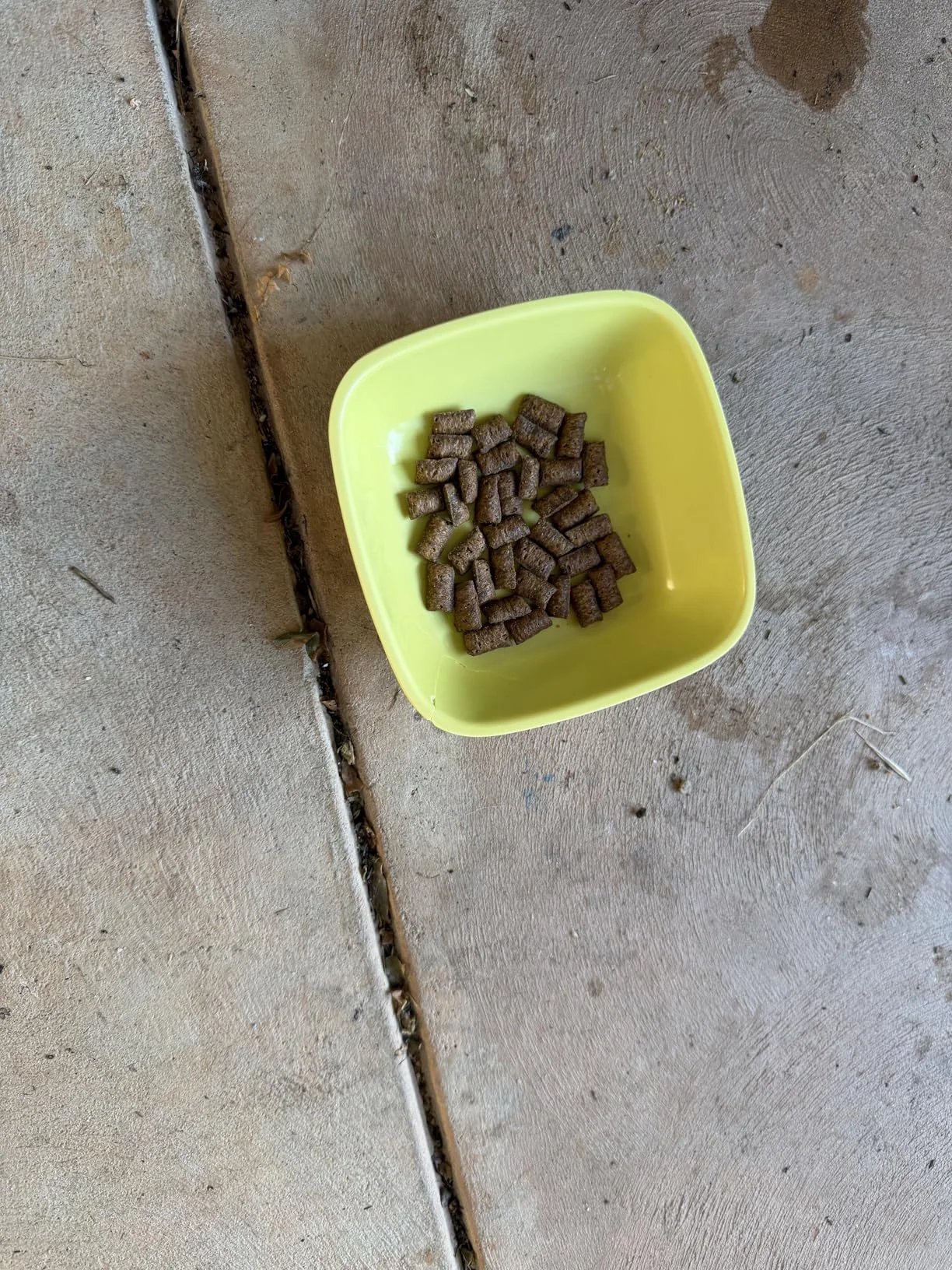
And once the dog starts refusing the product, the problem becomes bigger than one unpleasant chew. A supplement that sits untouched in the cabinet contributes nothing to a recovery routine, no matter how attractive the label sounds.
🐟 Smell the Chew Before It Reaches the Bowl
Open the container and smell one chew before mixing it into your dog's food. Pay attention to an unusually sharp chemical odor, an intensely stale fish smell, or a smell that is noticeably different from previous containers.
Then look closely at the surface. Clumping, damp-looking patches, unusual discoloration, or a texture that has changed dramatically from earlier batches are reasons to stop and reassess rather than trying to disguise the chew with peanut butter.
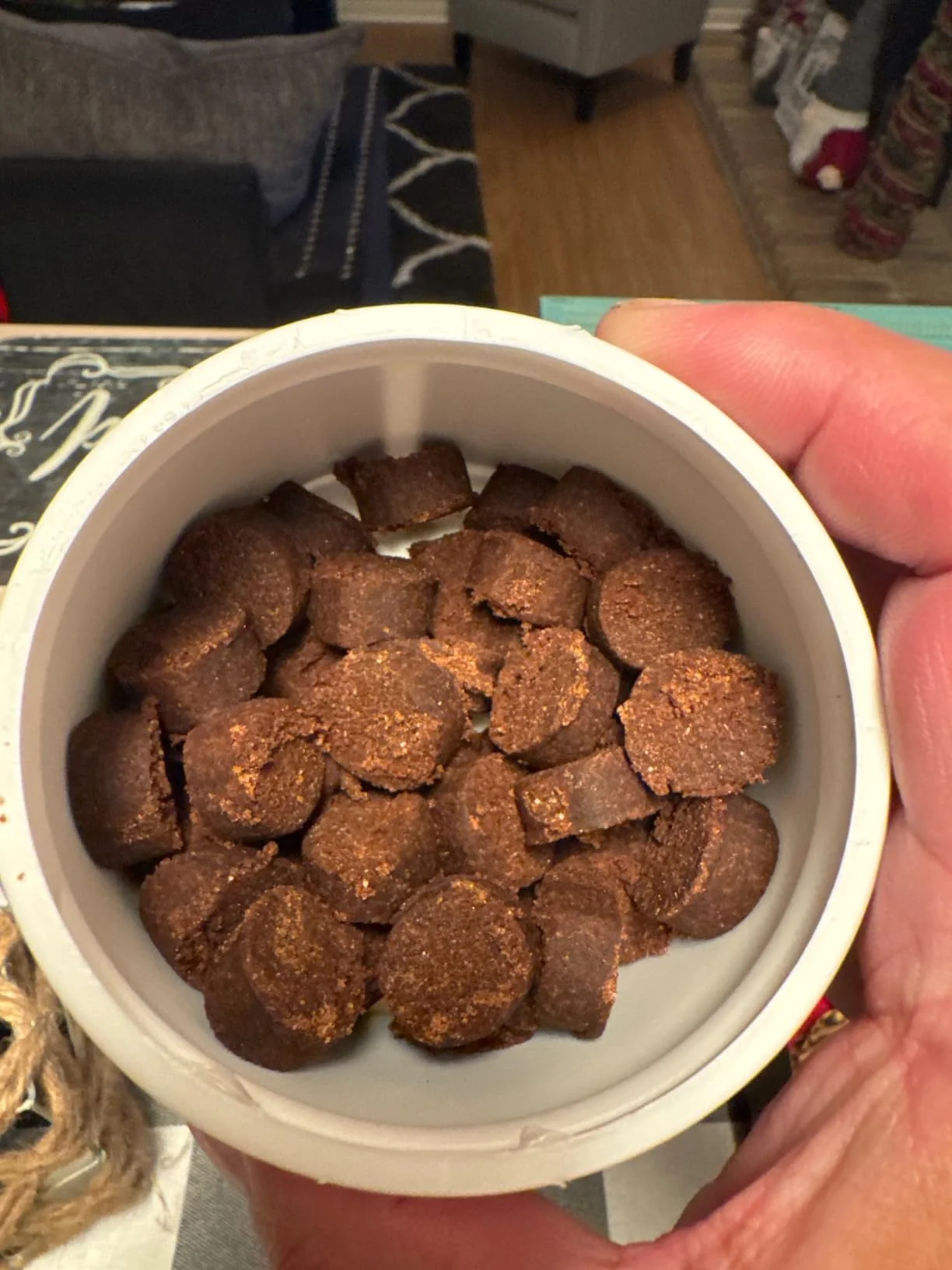
The reported cases are particularly useful here because refusal was not limited to famously picky dogs. Some dogs that normally accepted treats reportedly rejected these chews outright once the smell or texture changed.
That creates an awkward contradiction: owners may buy a joint product specifically to support a dog's mobility, only to discover that the dog will not touch it. Trying to force the same chew into meals can also turn a previously easy feeding routine into a daily negotiation.
The practical lesson is straightforward: palatability is part of whether a supplement can actually be used consistently. When a batch develops a distinctly chemical or spoiled odor, the safest move is to treat that change as a product-quality warning rather than assuming the dog simply became fussy.
CONCLUSION
Knee-related mobility problems are easier to manage when owners pay attention to the whole picture rather than focusing on one ingredient or one symptom. Repeated paw dragging, knuckling, shorter steps, or difficulty with stairs can be useful signs that normal movement is no longer comfortable or well supported.
A careful buyer should also look beyond a label that simply says "joint support." The supplied evidence points to a broader view that can include bone support, cartilage support, and appropriate nutritional intake, depending on the dog's needs. Vitamin D, minerals, collagen, and other joint-support ingredients may have a place, but they should not be treated as a replacement for veterinary care.
Recovery after an ACL or meniscus injury requires the same patience. Controlled movement and consistent rehabilitation are more important than expecting a chew to fix an injured knee. Finally, product quality matters: a strong chemical or spoiled smell, changed texture, clumping, or refusal to eat the chew can make an otherwise promising supplement unusable.
THE ULTIMATE BUYING VERDICT
| Verdict | Key Consideration | Recommendation |
|---|---|---|
| 🔴 Significant concerns | Persistent knuckling, dragging, worsening lameness, or a knee injury may indicate a mobility problem that a supplement cannot correct. A chew with a strong chemical or spoiled odor may also be refused. | Do not rely on a joint supplement alone when movement is getting worse. For damaged or injured knees, prioritize appropriate veterinary assessment and rehabilitation. Stop and reassess a product when its smell, texture, or appearance changes noticeably. |
| 🟡 Acceptable with limitations | Joint supplements may provide nutritional support for bone and cartilage, but their usefulness depends on the dog's actual needs and they cannot repair torn ligaments or damaged menisci. | Choose a formula based on the support it actually provides rather than assuming more glucosamine is always better. Use nutritional support alongside, not instead of, an appropriate recovery plan. |
| 🟢 Meets long-term expectations | A useful product should be acceptable to the dog, remain consistent in smell and texture, and fit into a broader approach to bone, cartilage, and mobility support. | Look for a product the dog will reliably accept and inspect each batch for unusual odor, clumping, moisture, discoloration, or major texture changes. Match supplementation with careful monitoring and appropriate rehabilitation when needed. |