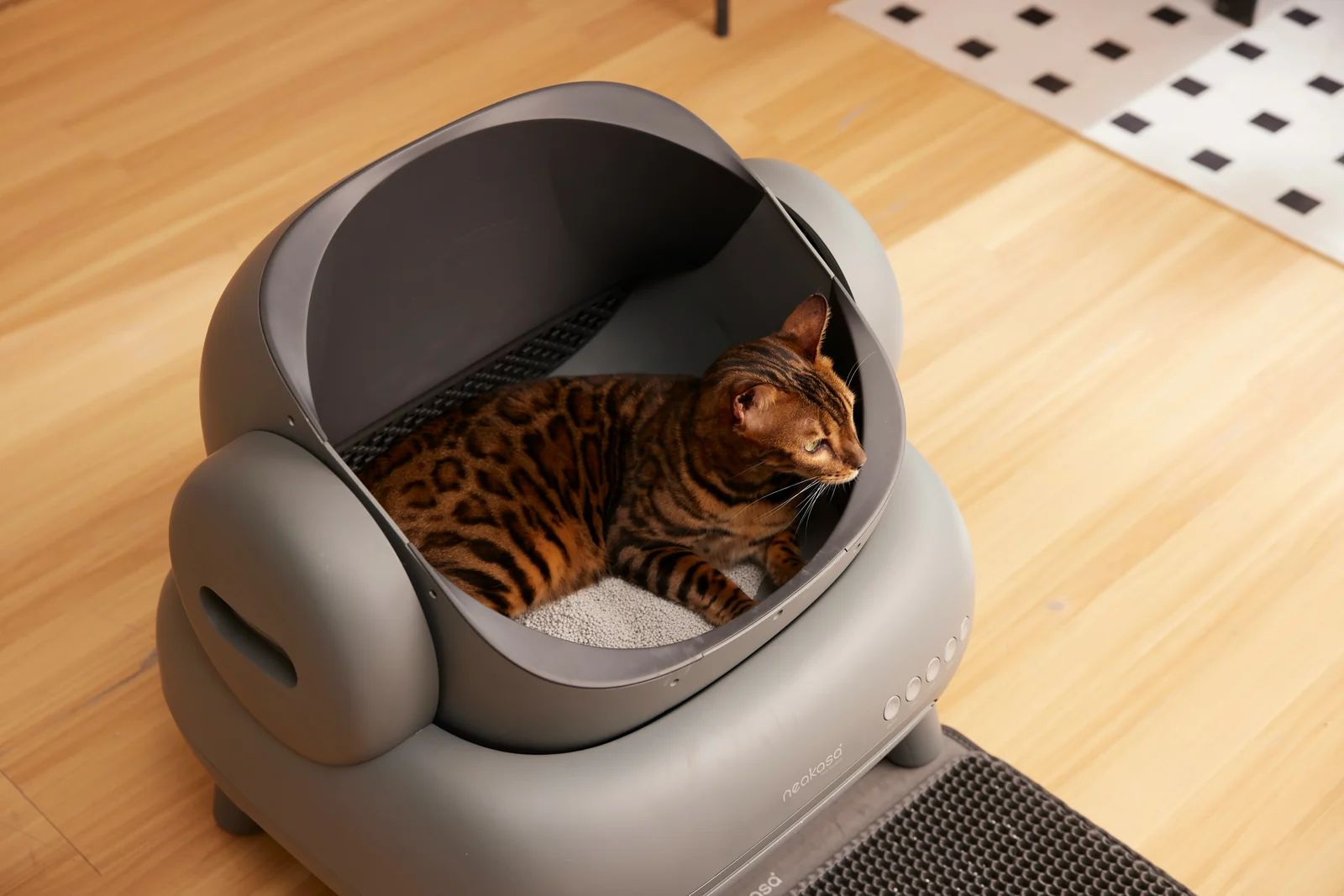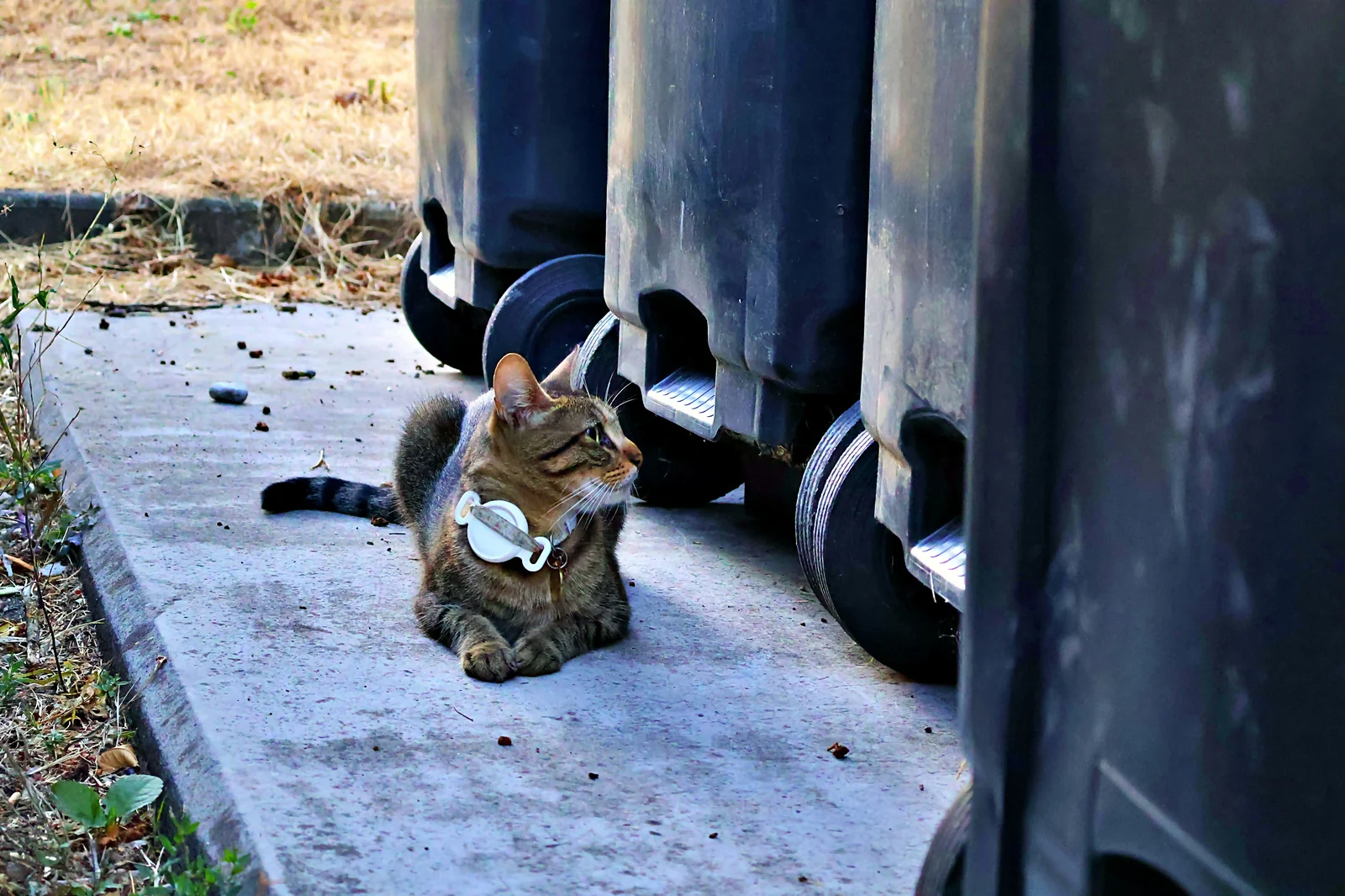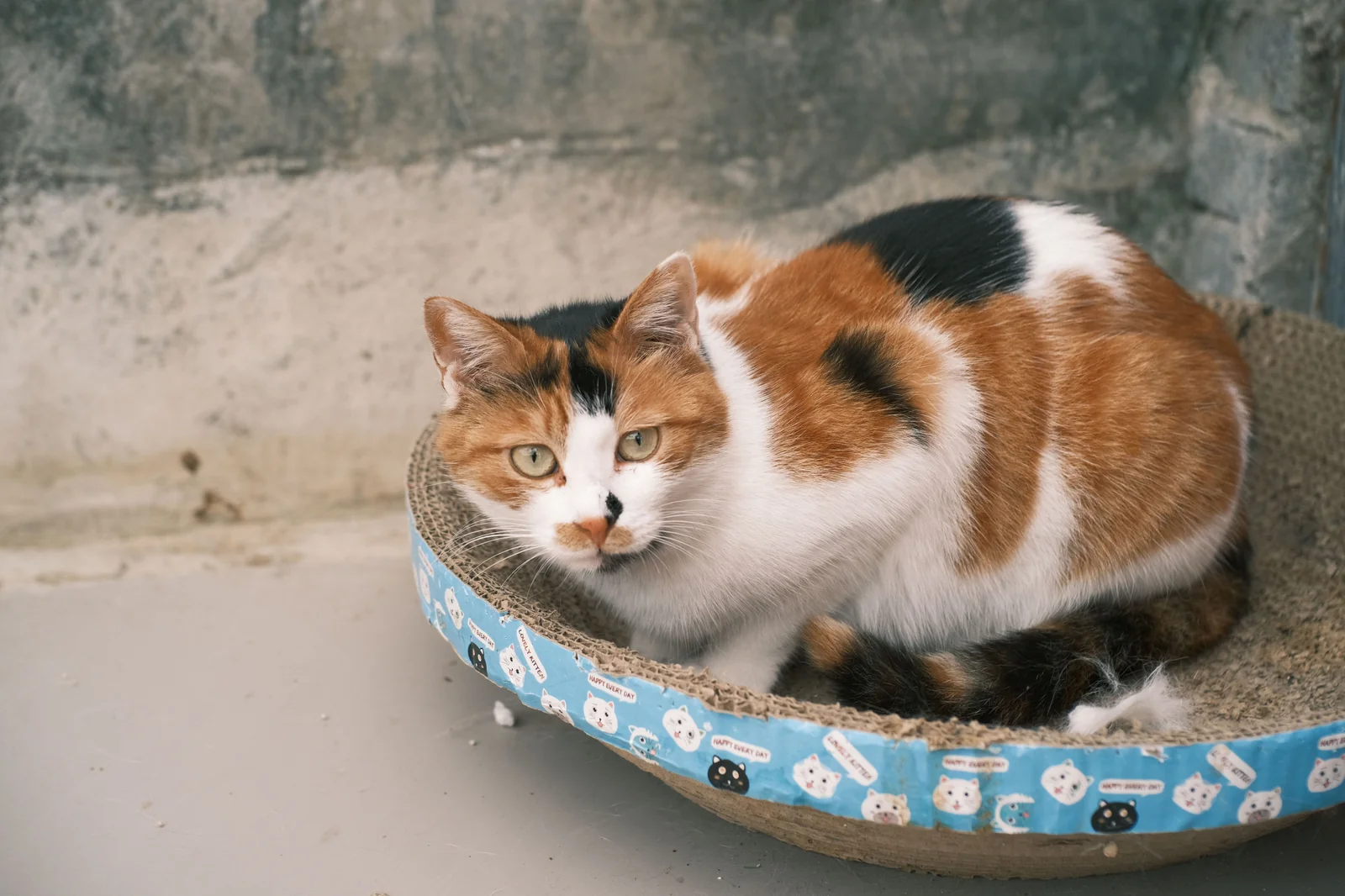
A cat may start avoiding the litter box after a move, a new pet arrives, or fighting begins between cats. At the same time, a plug-in diffuser meant to create a calmer home can introduce a different set of problems. Reported cases describe cats becoming more agitated or spraying more after a diffuser was added, while some devices were reported to overheat, melt, smoke, or leak oil. Strong odors and poor ventilation were also linked with reported headaches, dizziness, nausea, coughing, and breathing irritation in some households.
These situations can be easy to confuse because the original stress and the product may appear at the same time. A careful owner should therefore watch both the cat's behavior and the condition of the device. Changes around the litter box, increased fighting, unusual odors, damaged casings, leaking liquid, or smoke are useful warning signs that should not simply be ignored.
Environmental Triggers for Cats Peeing Outside the Box: Moving, New Pets, and Territory Stress
A move can turn a cat's familiar bathroom routine upside down overnight. In one reported case, a 10-year-old cat developed chronic urine marking and litter box avoidance after two moves, two children, and a dog entered the household; another cat began urinating outside the box after environmental changes, leaving urine damage on engineered wood flooring.
And sometimes the trigger is not even inside your home. One cat became intensely anxious after a neighbor brought home a dog, followed by hiding, attacks, and inappropriate urination. In multi-cat homes, ongoing fighting and territorial tension can keep the problem going long after the original change has passed.
One useful way to separate a behavioral problem from simple "bad behavior" is to look at when and where the accidents happen. If spraying or urination suddenly appears after a move, a new pet, or repeated conflict around shared spaces, the mess may be the cat's way of coping with an environment that no longer feels predictable.
🪟 Look Around the Litter Area First
For the next few days, pay attention to what your cat can see and reach from the box. Check whether another cat blocks the route, whether a new pet passes nearby, and whether the box sits in a location where the cat can suddenly feel cornered.
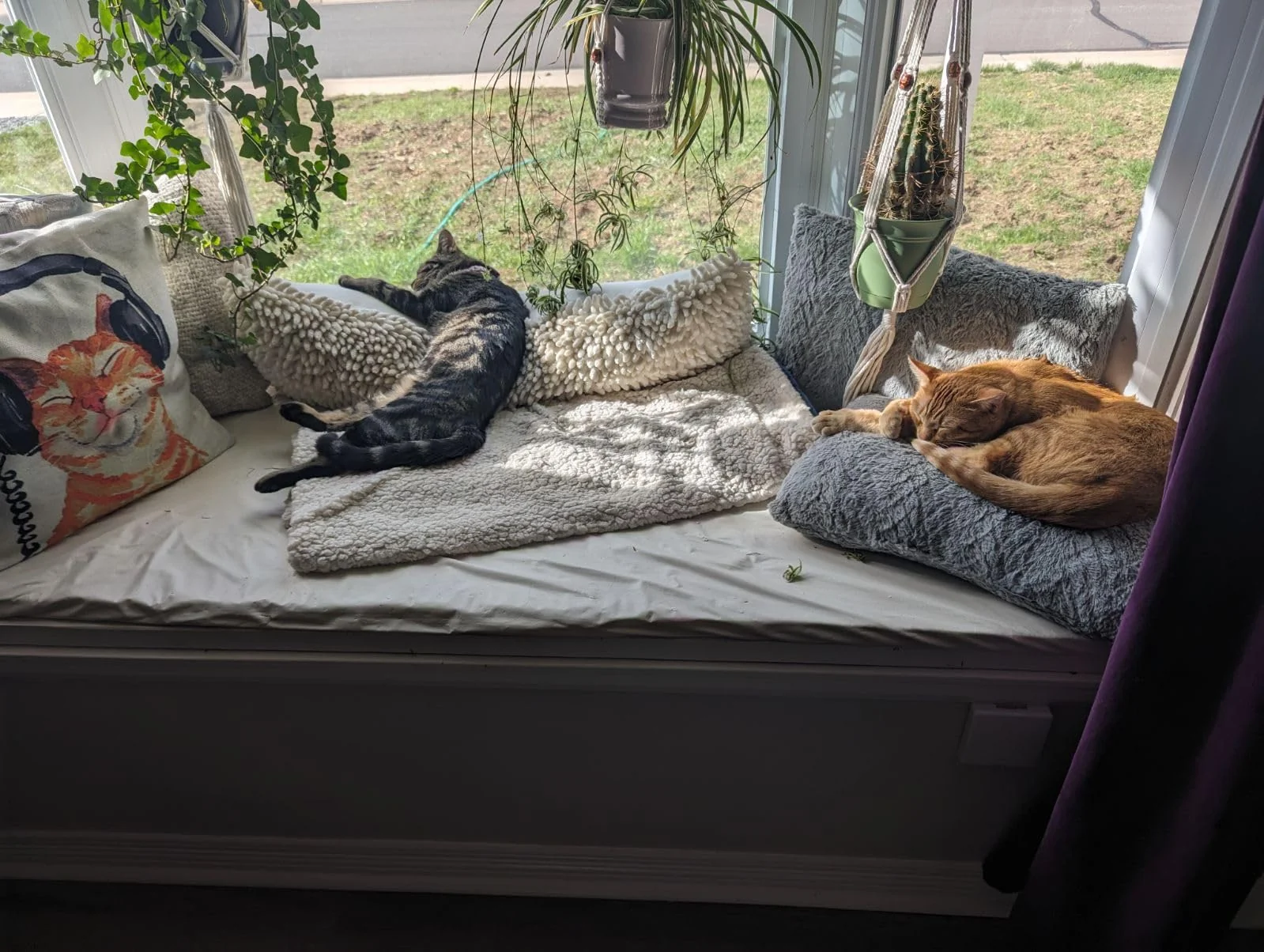
There is also a practical numbers problem in multi-cat homes: the cited feline behavior research recommends one litter box per cat plus one extra, with boxes cleaned at least daily. Preference studies also found that larger boxes were favored, while covered boxes were used less often.
That makes the solution less about punishing the accident and more about restoring predictable territory: give each cat enough bathroom options, keep those locations clean, and reduce obvious pressure from other animals.
For the two reported cases tied to these environmental changes, the consumer evidence case references are PGH-CASE-PFDS and PGH-CASE-JMHL. The feedback does not prove that every cat will respond the same way, but it does show why sudden household changes deserve attention before blaming the cat for the mess.
Plug-In Diffuser Maintenance: Checking for Leaking Oil and Overheated Casings
A plug-in diffuser is easy to forget once it is running, which is exactly why heat, smoke, or leaking liquid should never be treated as normal wear. Reported failures include units becoming too hot to comfortably touch, darkening or melting around the casing, and producing smoke after days of use.
One reported unit reached 147°F, with the plastic casing melting and black smoke appearing. Another began smoking badly enough to scorch nearby cardboard and trigger a fire alarm, while a third household reported three units smoking at the same time, accompanied by a burnt smell and oil leaking down the wall.
The consumer evidence case references tied to those incidents are PGH-CASE-PFDS, PGH-CASE-51NJ, and PGH-CASE-JMHL. The last case is especially inconvenient: leaking liquid was reported on walls and counters, meaning the problem was not limited to the diffuser itself.
🔥 Look Behind the Plug Before Leaving It On
Unplug the diffuser and let it cool completely. Then look closely at the casing, outlet area, wick, and the wall directly underneath it for dark marks, warped plastic, oily residue, or a burnt smell.
If the housing has changed shape or you can see evidence of smoke or leaking oil, continuing to run it simply because the refill still contains liquid is a poor trade. A device that is supposed to sit unattended should not require you to wonder whether the wall behind it is slowly becoming part of the problem.
The reported cases are user experiences rather than proof that every unit will fail this way. Still, repeated reports of smoking, overheating, melting, and leakage make older or visibly damaged plug-in diffusers worth treating with extra caution rather than leaving them powered around the clock.
Understanding Carrier Liquids in Pheromone Refills and Indoor Air Quality
A pheromone refill is not simply the small amount of active ingredient listed on the front. In one reported case, users described a cat vomiting, becoming lethargic, and seriously unwell, while the person in the home experienced headaches and dizziness after using the diffuser. Another household reported an asthma flare associated with the product.
The reported composition for PGH-CASE-PFDS was 2% active ingredient with the remaining 98% described as an isoparaffinic petroleum-based carrier. That same case included reports of substantial veterinary expenses and human symptoms, so the concern was not limited to whether the diffuser actually changed the cat's behavior.
The important distinction is that a refill can contain far more carrier liquid than active ingredient. In a small room with limited ventilation, repeatedly running a heated diffuser means the household is continuously exposed to whatever the refill releases into the surrounding air.
🌬️ Smell the Room Before Running It Again
Before plugging in an older refill, check the room where it normally operates. If the smell becomes unusually strong, your cat starts avoiding the area, or anyone in the household develops headaches, dizziness, nausea, coughing, or noticeable breathing irritation, unplug the device and ventilate the room rather than assuming the reaction is something to push through.
The second reported case, PGH-CASE-51NJ, also involved respiratory problems in the household, adding another reason to pay attention to how people and pets respond in enclosed spaces.
These reports do not establish that every pheromone refill will produce the same effects, and the source material does not establish a universal exposure threshold. Still, when a refill produces a strong airborne odor alongside reported human or feline symptoms, better ventilation and a cautious pause make more sense than treating the reaction as normal.
When Calming Pheromones Trigger Agitation or Increased Spraying in Multi-Cat Homes
Calming products are not guaranteed to calm every cat. Reported experiences include cats becoming more agitated, more aggressive, or more likely to spray after a diffuser was introduced, particularly in homes already dealing with tension between multiple cats.
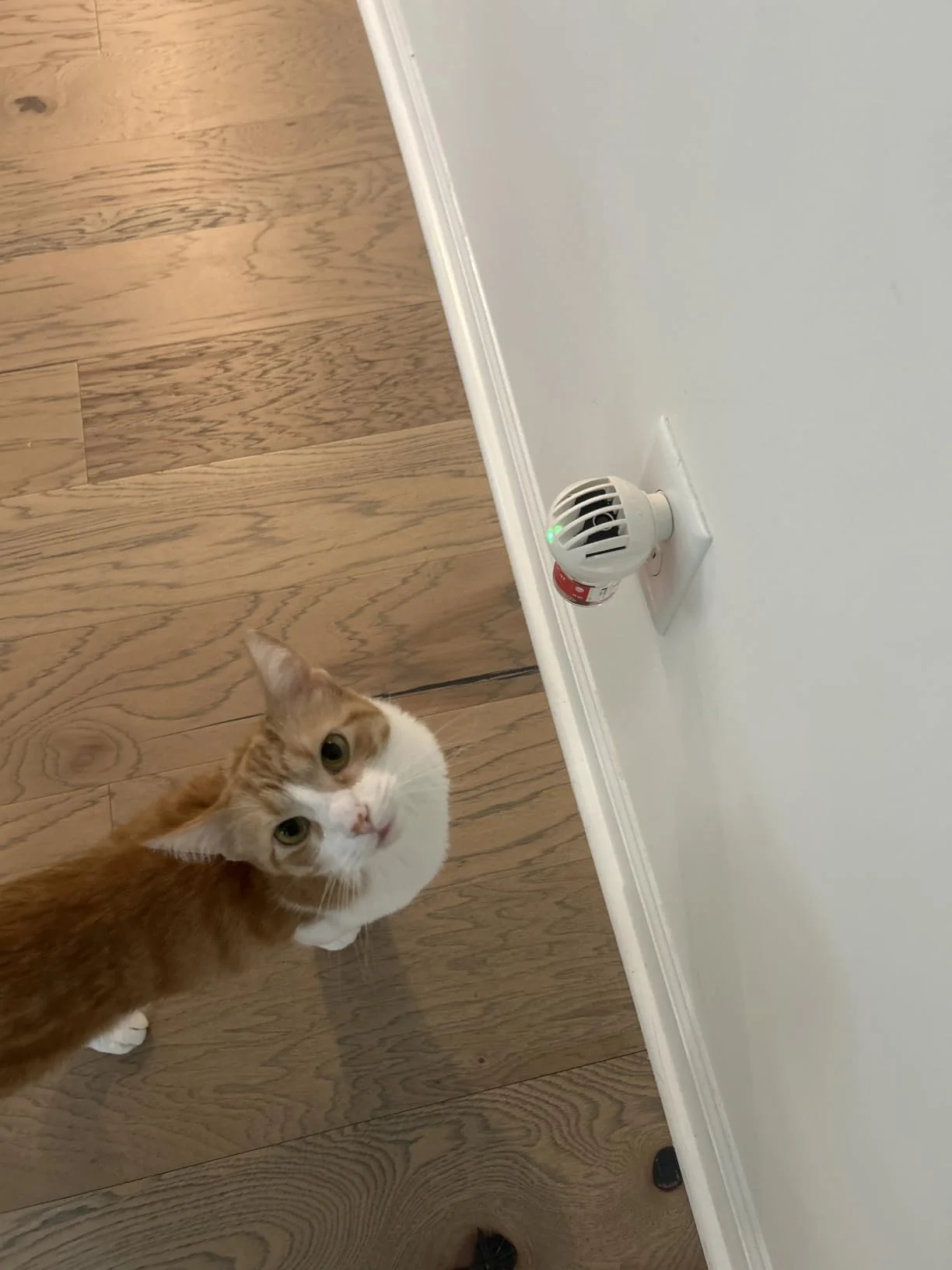
One reported case involved a previously calmer cat becoming unusually aggressive toward people and other animals. Another household reported that switching to an Optimum version was followed by increased marking on couches, shoes, floors, and clothing, while a separate case involved a younger cat mounting and biting an older cat.
The practical lesson is simple: a worsening reaction matters more than the product's intended purpose. If spraying, fighting, hiding, or agitation clearly increases after introducing a diffuser, continuing to run it just because it is marketed as calming can make the situation harder to read.
The supplied evidence does not establish that synthetic pheromones universally conflict with a cat's hormones or that cats interpret them as disguised intruders. What it does document is the more useful consumer signal: some cats reportedly showed the opposite behavioral response from what their owners expected.
In a multi-cat home, behavior should therefore be judged by what actually changes after introduction. If aggression or marking escalates, the reported cases support stopping the diffuser and returning attention to physical separation, predictable resources, and reducing direct conflict between cats rather than assuming the product must eventually work.
CONCLUSION
The clearest lesson from these reports is that a calming product should be judged by what actually happens in the home, not only by what it is designed to do. If a cat begins spraying, hiding, fighting, or acting more aggressively after a diffuser is introduced, continuing to use it can make the situation harder to understand. In homes with several cats, predictable resources, clean litter boxes, enough bathroom options, and less direct conflict may be more useful places to start.
The device itself also deserves regular attention. Check for melted or warped plastic, dark marks, oily residue, unusual smells, smoke, or signs of leakage before leaving a plug-in diffuser running. If the room develops a strong odor or people or pets appear uncomfortable, unplugging the device and improving ventilation is a more sensible response than simply running it longer.
For future purchases, look beyond the calming claim. Consider how the product behaves during everyday use, how your cat responds to it, and whether the device remains in good condition over time.
THE ULTIMATE BUYING VERDICT
| Verdict | Key Consideration | Recommendation |
|---|---|---|
| 🔴 Significant concerns | Reported diffusers were associated with overheating, melting, smoke, oil leakage, strong odors, and worsening cat behavior in some homes. | Do not keep using a diffuser that shows physical damage, smoke, leakage, or a clear worsening of your cat's behavior. |
| 🟡 Acceptable with limitations | Some cats may react differently to calming diffusers, especially in homes with existing territorial conflict, and refills contain more than the active ingredient alone. | If used, watch the cat and the room closely, keep the area ventilated, and stop when unwanted behavior or noticeable irritation appears. |
| 🟢 Meets long-term expectations | A suitable home setup provides predictable litter access, clean resources, reduced conflict, and a diffuser that remains in good condition without causing noticeable problems. | Look for products and household arrangements that remain comfortable for the cat while showing no signs of overheating, leakage, strong odor, or behavioral worsening. |